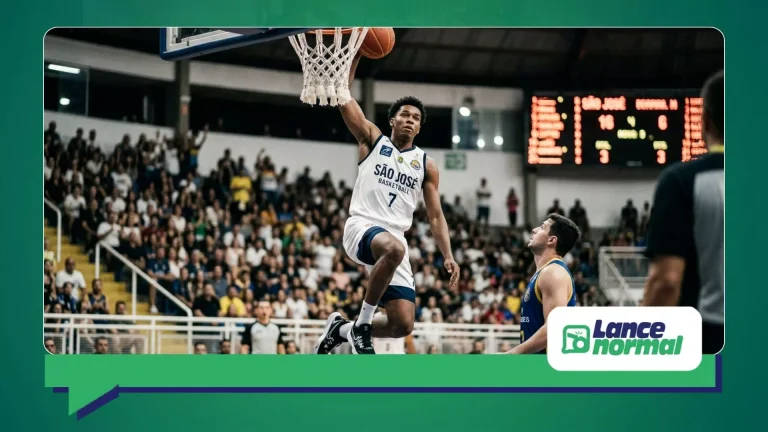

To speak of basketball as a globalized sport is to address something that goes far beyond the courts.
Advertisements
It means understanding how sport has crossed geographical, cultural, and economic boundaries, becoming part of the routine and identity of different peoples.
Globalization, in this case, is not limited to the presence of foreign teams or international broadcasts; it also involves the diffusion of values, symbols, and narratives that have transformed basketball into a universal language.
The NBA may have been the epicenter of this revolution, but the phenomenon involves local leagues, urban cultures, and millions of young people inspired by an orange ball.
Globalized basketball today reflects how instant communication and the digital economy shape sporting behavior and cultural consumption.
Advertisements
How basketball became universal: historical milestones
The internationalization of basketball was a gradual and strategic process. Since its creation in the United States at the end of the 19th century, the sport began to gain worldwide notoriety with the professionalization of the sport. NBA (National Basketball Association), which became the main driver of its expansion.
In the 1990s, the Dream Team — the 1992 American national team — represented a turning point. That legendary squad popularized the sport on a global scale, showcasing a style of play that blended artistry, technique, and spectacle.
Over the years, the presence of renowned foreign athletes, such as Tony Parker, Dirk Nowitzki, and Giannis Antetokounmpo, paved the way for global recognition. As analyzed by... BD SpotlightThese players proved that basketball could be played — and admired — anywhere.
Advertisements
Furthermore, the FIBA According to a study by Nielsen Sports, more than 3.3 billion people between the ages of 16 and 69 consider themselves fans of the sport.
This reach reveals that basketball has long since surpassed its status as an "American sport." Proof of this is the holding of intercontinental tournaments, such as the EuroLeague Final Four 2025, based in Abu Dhabi — the first outside of Europe since 2004, consolidating basketball as a truly global product.

Current data proving the globalization of basketball.
The numbers confirm the strength of the phenomenon. A joint report by FIBA and Nielsen Sports estimated more than 3.3 billion basketball fans worldwide, with particularly explosive growth in Asia and Africa.
Already the NBAaccording to his official report 2024-25, it registered billions of views on social media — LeBron James, Stephen Curry and Luka Dončić alone totaled more than seven billion interactions combined.
The market also reflects this popularity: the Data Intelo Market Report It was estimated that the global basketball sector generated approximately US$1.2 billion in 2023, with a projected annual growth of 5.5% until 2032.
These indicators show that basketball today is both an entertainment product and an economic asset, with the potential to generate billions in advertising, equipment, and digital content.
++ Best Mobile Basketball Games in 2025
What factors have driven the globalization of basketball?
Among the reasons for the success of basketball – globalized, his structural simplicityUnlike sports that require large fields or expensive equipment, basketball only needs a ball, a hoop, and a space to play.
This accessibility has transformed the game into part of urban culture, especially in young and marginalized communities.
Another essential element is the digital mediaBasketball has always had a strong visual appeal — acrobatic plays, creative dribbles, and spectacular dunks are easily viral.
Platforms like YouTube, Instagram, and TikTok have democratized audience access, allowing a kid in the Philippines or Brazil to follow the same action in real time as what's happening in New York.
THE internationalization of athletes It has broadened the reach of the sport. Players from different countries, such as Slovenian Luka Dončić and Cameroonian Joel Embiid, not only represent their nations, but also carry with them the interest of millions of local fans.
A study by the Wolfestone Group showed that approximately 3.3 billion people consider themselves fans of the sport, reinforcing the scale of its popularity.
Finally, there is the institutional and commercial investmentLeagues, federations, and sports brands have understood the global potential of basketball and have begun investing in international tours, educational programs, and merchandising.
Sport has become a vector for pop culture, fashion, and social identity—a bridge between entertainment and lifestyle.
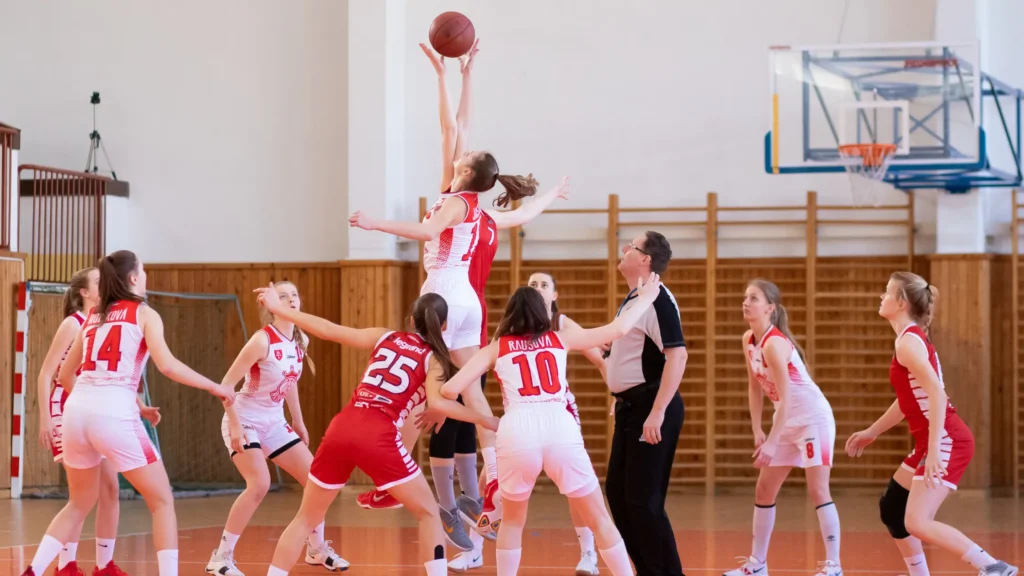
Why does basketball already deserve the label of "most globalized"?
Today, basketball has established itself as one of the greatest cultural expressions on the planet. It is played on every continent, in large and small cities, and engages with audiences of different ages and social backgrounds. The sport has ceased to be an American export and has become a globally shared language.
Beyond the geographical scope, there is also the integration of cultures and styles. Each country has adapted the game in its own way: European basketball is more tactical, Asian basketball prioritizes speed, and Latin American basketball highlights passion and creativity. This diversity enriches the sport, making it even more attractive and universal.
The commercial impact reinforces the argument. International partnerships, global broadcasts, and digital consumption have made basketball one of the leading cultural products of the 21st century.
Engagement on social media is so intense that some NBA franchises have more followers outside the US than inside. This combination of culture, commerce, and digital media fully justifies its title as the most globalized sport today.
++ Difference Between Forward, Point Guard and Center: Functions of Each Position in Basketball
The resistances and tensions of global expansion
However, not everything happened in a linear fashion. The internationalization of basketball faced cultural resistance and economic challenges.
In some countries, traditional sports compete for space and audience, limiting the reach of the game. Even when accessible, there are still regions with poor infrastructure, where the lack of courts and basic equipment restricts participation.
Political tensions also have an influence. The return of NBA to ChinaFor example, it marked a delicate moment between diplomacy and business, showing that the globalization of sport is subject to the same dynamics that govern the international scene.
Another point of concern is content saturation. In a hyper-connected world, maintaining the originality and relevance of basketball requires constant adaptation. To remain global, the sport needs to continue innovating, engaging with new generations, and valuing local identities.
The future of globalized basketball.
The future of basketball – globalized It's promising. The expansion of regional and continental leagues indicates that the sport's focus will no longer be solely in the United States. The growth of women's basketball, with increased investment and coverage, also points to a scenario of inclusion and diversity.
Furthermore, digital monetization is likely to intensify. Streaming platforms and interactive experiences, such as esports based on official franchises, are creating new forms of consumption.
Schools and communities in emerging countries are beginning to introduce basketball as part of physical education, creating not only new athletes but also new generations of fans.
This trend confirms that basketball will continue to be a global force — not just as a sport, but as a symbol of creativity, overcoming challenges, and human connection.
++ Hybrid Training: Gym + Digital, the New Model of Physical Preparation
Conclusion
Basketball is, today, one of the greatest examples of global sporting success. Its trajectory, marked by international talent, intelligent business strategies, and a powerful digital culture, has transformed it into a phenomenon that transcends borders and languages.
To be basketball – globalized It means having a presence on billions of screens, inspiring young people from diverse backgrounds, and generating economic and social impact. Even in the face of challenges—such as structural inequality and cultural tensions—the sport continues to grow sustainably.
The future points to an even more inclusive scenario, with new leagues, new voices, and a global audience increasingly connected by their passion for this orange ball.
Frequently Asked Questions (FAQ)
What defines the globalization of a sport?
This is when the practice, consumption, and economics of a sport transcend borders and become part of the culture of various countries.
How many people follow basketball in the world?
According to FIBA and Nielsen Sports, there are more than 3.3 billion fans between the ages of 16 and 69.
Is basketball the most popular sport in the world?
It ranks among the top three, surpassed only by football and cricket in some criteria, according to the World Population Review.
Why is he growing so much on social media?
Because the dynamic format of the game and the charismatic personalities of the athletes are perfectly suited to digital platforms.
What challenges does basketball still face?
Maintaining authenticity, investing in grassroots development, balancing political tensions, and ensuring access in less resourced countries remain important goals.