

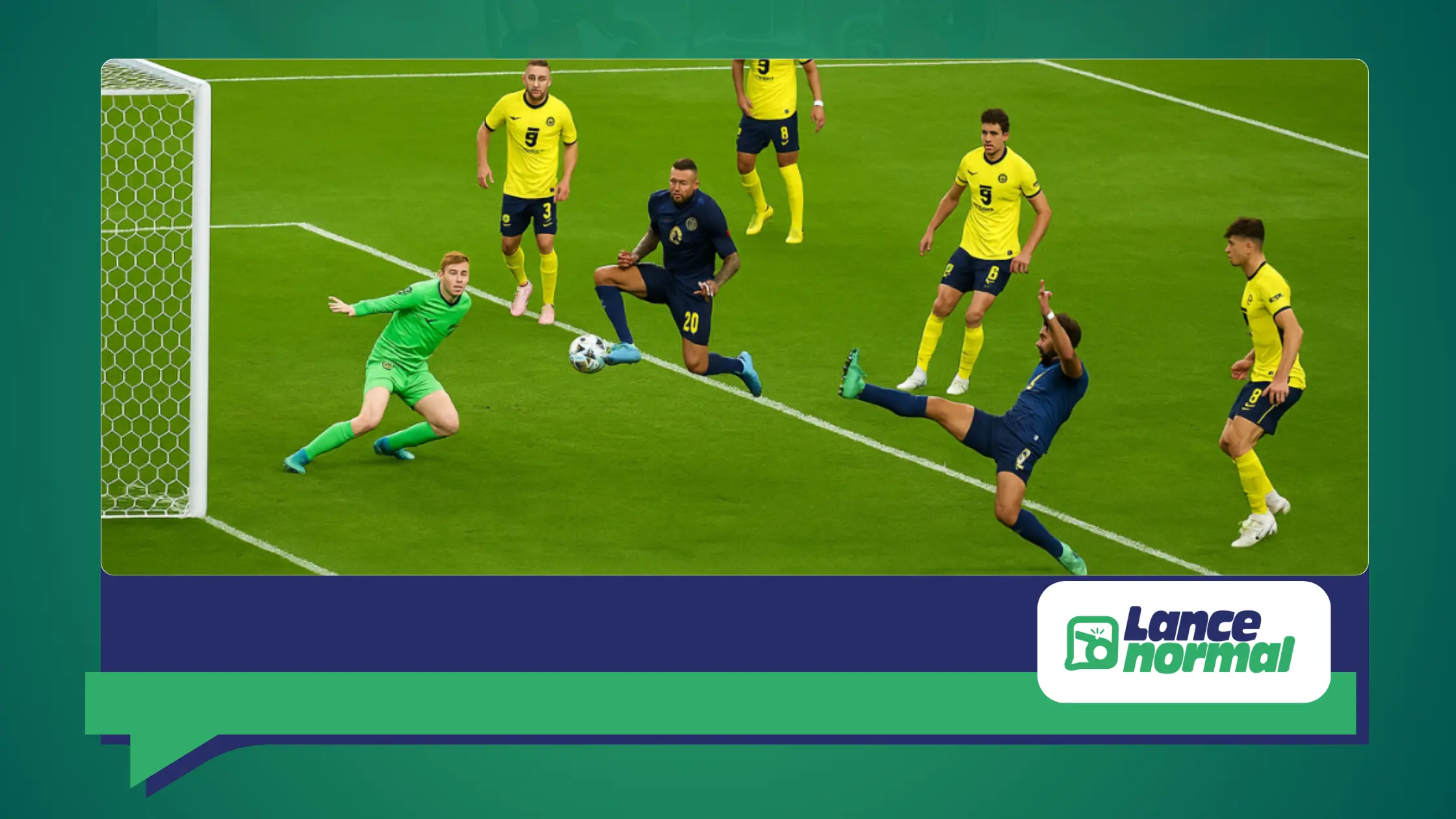
The rivalry between the great European clubs spans generations, shaping sporting and emotional identities that transcend specific results and solidify as central elements of continental football culture.
Advertisements
These clashes are not just about decisive matches, as they represent historical, political, social, and symbolic disputes that help explain why European football occupies such a prominent position in the global imagination.
Over the decades, continental classics have transformed into stages where local traditions clash with international ambitions, creating narratives that fuel intense passions and ongoing debates among fans, journalists, and sports historians.
Understanding these rivalries requires looking beyond the score, analyzing economic contexts, regional disputes, and cultural clashes that directly influence how clubs position themselves on and off the field.
European football, in this sense, acts as a mirror of the continent's social transformations, revealing old and modern tensions through recurring duels that never lose their relevance.
Advertisements
This article explores how these rivalries formed, evolved, and continue to impact the sport, keeping alive a legacy that transcends borders and generations.
Historical origins of great rivalries
The main European rivalries emerged in specific contexts, often linked to regional disputes, social differences, and urbanization processes that marked the growth of football in the early 20th century.
In several cities, clubs represented distinct classes or rival neighborhoods, transforming matches into symbolic extensions of everyday conflicts experienced by the local population.
Advertisements
Over time, these local rivalries gained national prominence, mirroring the professionalization of football and the strengthening of domestic leagues.
The consolidation of continental competitions further amplified these tensions, pitting clubs against each other that already had intense histories within their own countries.
Some matches have come to symbolize clashes of styles, such as tradition versus modernity, tactical discipline versus individual talent, fueling narratives that span decades.
These origins explain why certain rivalries maintain their strength even during periods of sporting imbalance, sustained by deeply rooted collective memories.
++ The Boca Juniors vs. River Plate Rivalry: The Classic That Divides a Nation
The influence of continental competitions
The creation of European tournaments has transformed local rivalries into international phenomena, expanding the audience and symbolic impact of these clashes around the world.
The Champions League, in particular, has consolidated recurring duels that have come to define eras, with repeated clashes in decisive stages reinforcing historical antagonisms.
According to analyses by UEFAMatches between traditional clubs tend to register higher global audiences, reflecting the weight of these rivalries in public interest.
The repetition of decisive encounters creates a shared memory, in which each new game carries echoes of past eliminations, historic comebacks, and traumatic moments.
These competitions also level the playing field, allowing clubs from different countries to build rivalries even without initial geographical or cultural proximity.
Thus, the continental stage acts as a catalyst, intensifying emotions and consolidating narratives that are renewed each season.
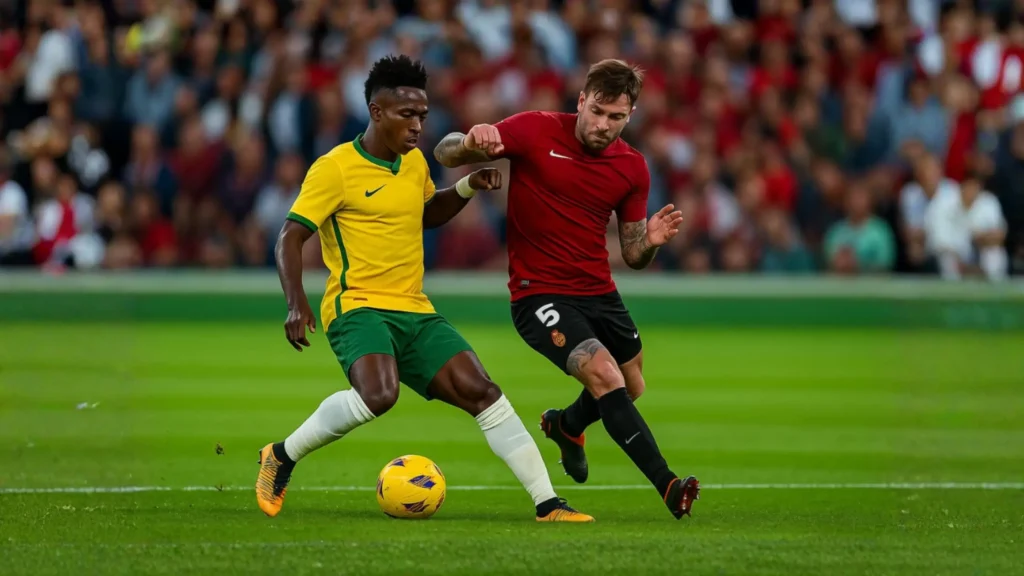
Iconic clashes that marked generations.
Some matches have become absolute benchmarks, serving as a parameter to measure greatness, legacy, and influence in European football.
These clashes often involve clubs with multiple international titles, large budgets, and squads full of legendary players.
Memorable matches, decided by the smallest details, help build mythologies that are passed down through generations of fans.
Intense media coverage reinforces these clashes, transforming each reunion into a global event watched by millions of viewers.
Studies published by FIFA Shows indicate that international classics significantly increase digital engagement and consumption of sports content.
In this way, these emblematic clashes transcend sports, influencing popular culture, advertising, and even informal diplomatic relations between countries.
++ New Brazilian Football Calendar 2026: What Are the Main Changes?
Rivalries and playing styles
European rivalries are also fueled by tactical and philosophical contrasts that reflect distinct national traditions.
Clubs associated with a physical and organized style of play often clash with those known for their creativity and ball possession, creating narratives of ideological conflict.
These styles do not emerge by chance, but are the result of training programs, cultural contexts, and strategic decisions over decades.
When opposing styles clash repeatedly, the duel gains additional layers of meaning, going beyond the immediate result.
The table below illustrates how some classic clashes are associated with historically contrasting styles, reinforcing the identity of each club involved.
| Historical confrontation | Predominant style A | Predominant Style B |
|---|---|---|
| Traditional club vs continental rival | Team play and tactics | Individual and offensive talent |
| Domestic powerhouse vs. European giant | Defensive discipline | Ball possession and high pressure |
| Historic club vs. emerging club | Experience and control | Intensity and rapid transitions |
These differences help maintain continued interest, as each encounter offers new interpretations of which philosophy proves most effective.
++ The evolution of basketball rules over the decades.
Economic and media impact of rivalries
Rivalries between major clubs generate significant economic impacts, influencing broadcast revenue, sponsorships, and sales of licensed products.
High-profile matches often register peak viewership, increasing the value of television contracts and attracting global advertisers.
Sports tourism also benefits, with fans traveling long distances to watch matches considered historic.
The media plays a central role in this process, amplifying narratives and transforming games into events that extend beyond the sporting calendar.
Social media further intensifies this phenomenon, allowing rivalries to manifest themselves daily, even outside of game dates.
Thus, the economic value of these disputes contributes to their perpetuation, creating clear incentives for clubs and competitions to keep these confrontations in the spotlight.
The emotional dimension for fans and players.
For fans, rivalries represent much more than entertainment, functioning as elements of personal and collective identity.
Victories in landmark matches are celebrated for years, while traumatic defeats become lasting emotional landmarks.
Players, in turn, feel the added pressure of these matches, aware that their performance can define their entire careers.
Athletes' accounts often highlight the unique atmosphere of these games, with stadiums filled with tension and anticipation.
This emotional dimension influences decisions on the field, from tactical choices to individual reactions in critical moments.
As a result, rivalries remain alive because they are constantly fueled by intense and shared emotional experiences.
Rivalry as a cultural heritage of European football.
Over time, rivalries have ceased to be merely sporting disputes, becoming part of the cultural heritage of European football.
Club museums, documentaries, and books record these clashes as essential chapters in the continent's sporting history.
Oral transmission between generations ensures that memories of historical games remain relevant, even decades after they took place.
Sports institutions recognize this symbolic value, using rivalries to promote competitions and preserve traditions.
At the same time, there is a growing effort to balance passion and respect, combating excesses and promoting healthy rivalries.
Thus, these rivalries remain legitimate cultural expressions, reflecting the complexity and richness of European football.
Conclusion
The rivalry between the major European clubs is the result of historical, cultural, and sporting processes that have intertwined over decades.
These clashes transcend isolated results, functioning as ongoing narratives that shape identities and collective perceptions about football.
When analyzing their origins, impacts, and meanings, it becomes clear that rivalries are an essential part of the European sporting experience.
Preserving this legacy, with responsibility and respect, is fundamental to ensuring that football continues to be a space of passion, memory, and cultural connection.
FAQ
1. Why are European rivalries so intense?
They combine historical, cultural, and sporting factors, creating deep emotional bonds between clubs, fans, and regions across generations.
2. Have continental competitions increased these rivalries?
Yes, because they repeatedly pitted traditional clubs against each other, increasing visibility and reinforcing memories of decisive clashes.
3. Do rivalries influence player performance?
They have an influence because they increase emotional pressure and responsibility, affecting decisions, concentration, and intensity during matches.
4. Is there a direct economic impact from these rivalries?
This includes increased viewership, higher value of broadcasting rights, growth in sports tourism, and increased commercial revenue.
5. Can rivalries be considered cultural heritage?
Yes, because they represent traditions, collective memories, and cultural expressions that go beyond sport and reflect European history.