
Learn Football Tactics Even Without Being a Coach!
Advertisements
Football is more than a game of skill with the ball; it's a strategic dance, where every move is calculated and every decision can change the course of a match.
Learning football tactics is not exclusive to coaches or professional players.
Any sports enthusiast, whether a fan, amateur analyst, or even a recreational player, can master the tactical concepts that transform ordinary matches into true spectacles of collective intelligence.
But how can you dive into this world without a coaching clipboard or years of experience on the field?
Advertisements
Find out more below!
Learn Football Tactics Even Without Being a Coach

Football tactics are like a dynamic puzzle: the pieces are constantly changing position, and it's up to the observer to understand how they fit together.
Contrary to popular belief, you don't need to be on the bench or have a coaching degree to decipher these patterns.
Advertisements
With the right combination of curiosity, study, and modern tools, anyone can develop a deep understanding of the strategies that define the sport.
In this guide, we'll present innovative methods, practical examples, a statistic that reinforces the importance of tactics, and an analogy that connects learning to everyday life.
In short, all this while we answer the question: Why should you, even without being a coach, care about football tactics?
Each section is designed to offer unique insights, avoiding repetition and bringing approaches that stimulate critical thinking.
++ What Is a “Modern Midfielder” and How Has It Changed the Midfield?
Understanding the Game: Active Observation as the Basis of Learning

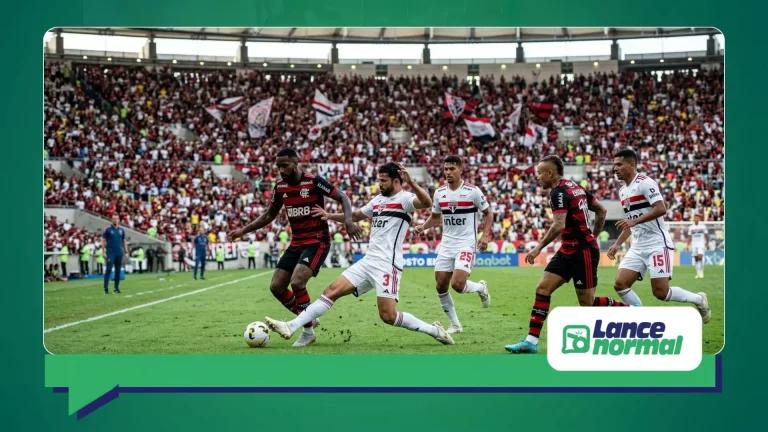
To learn football tactics, the first step is to change the way you watch matches.
Instead of just cheering or following the score, you need to adopt an attitude of active observation.
++ Players Who Stood Out Without Playing for Big Clubs
This means paying attention to details that go unnoticed by the casual viewer: how players position themselves without the ball, why one full-back advances further than the other, or how a team adjusts its formation after conceding a goal.
This practice, though simple, is powerful.
According to an analysis by Opta Sports, 68% of goals in professional leagues between 2020 and 2024 resulted from rehearsed plays or exploited tactical errors, highlighting the importance of understanding the game beyond the ball.
A practical example of active observation is analyzing the positioning of a midfielder in a Premier League game.
Imagine a clash between Manchester City and Arsenal.
As City dominate possession, watch how Arsenal midfielders like Thomas Partey position themselves to block passing lanes to Kevin De Bruyne.
He doesn't just chase the ball, he anticipates its movements, creating an invisible barrier. Note these decisions: where is he?
How does he move when the opponent switches sides?
This exercise turns the viewer into an active learner, capable of identifying tactical patterns.
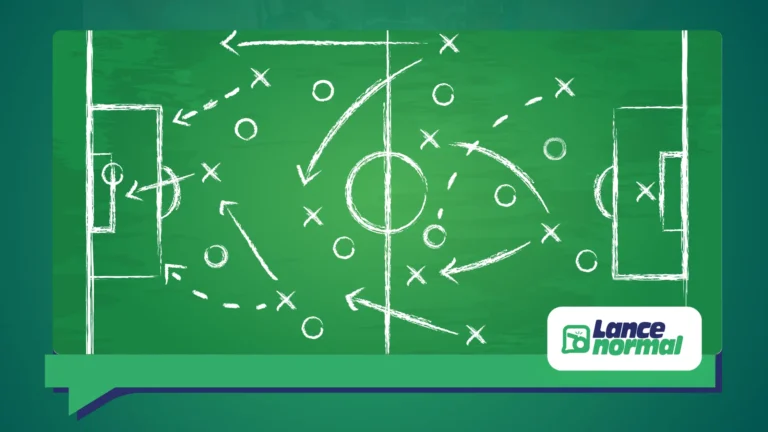
Additionally, tools like digital tactical boards, available on platforms like TacticalPad, allow you to pause a match and plot player movements.
++ What are the Biometric Vests Used in Modern Football?
This allows you to visualize the game like a coach, identifying gaps in the defense or counter-attack opportunities.
Active observation, therefore, is not just watching, but questioning, noting, and experimenting.
Over time, you'll begin to predict plays before they even happen, a clear sign that you're internalizing the tactic.
Theoretical Study: Books, Courses and Online Resources
Although observation is essential, it must be complemented by a structured theoretical study.
Fortunately, the democratization of tactical knowledge has opened doors for anyone to have access to quality materials.
Books like Inverting the Pyramid, by Jonathan Wilson, offer a historical and tactical overview of football, explaining how formations like the 4-4-2 evolved into the modern 4-3-3.
These resources help contextualize why certain tactical systems work at certain times, connecting theory to practice.
An original example of theoretical study is to create a “tactical reading club.”
Gather friends who are passionate about football and discuss chapters from tactical books or specialized articles, such as those published on The Athletic website.
Each participant can bring an analysis of a recent game, comparing what they observed with the concepts in the book.
For example, when discussing Jürgen Klopp's 4-2-3-1, analyze how Liverpool uses attacking wing-backs to create numerical superiority in attack.
This exchange of ideas solidifies learning and makes the process more dynamic.
Additionally, platforms like YouTube and online courses offer detailed tactical analysis.
Channels like Tifo Football deconstruct matches with accessible graphics and explanations, while online courses from UEFA and the CBF Academy teach tactical fundamentals to amateurs.
The key is to combine these resources with personal notes, creating a “tactics bank” where you record systems, plays, and ideas.
Thus, theoretical study becomes not just an intellectual exercise, but a bridge to practical application.
| Appeal | Description | Advantage |
|---|---|---|
| Tactical books | Works such as Inverting the Pyramid and The Mixer | They provide historical context and tactical evolution |
| Online courses | Platforms such as CBF Academy and UEFA | Certificates and structured learning |
| YouTube Channels | Tifo Football, The Coaches' Voice | Visual and freely accessible analyses |
Simulations and Games: Learning in Virtual Practice
Technology has brought a revolution in tactical learning: games and simulations.
Games like Football Manager are not just entertainment; they are tactical laboratories.
When managing a team, you test formations, adjust strategies, and observe the results in real time.
For example, try using a 3-5-2 against an opponent who plays a 4-4-2.
Adjust the team's mentality to "defensive" and observe how the defenders behave.
This type of experimentation allows you to understand concepts like high pressure or low block without having to be in the field.
A practical example is to create a challenge in Football Manager: Take over a small team like Brentford and try to win the Premier League in two seasons using only counter-attacking tactics.
Analyze post-game reports to understand why your strategy worked or failed.
This exercise teaches you how variables like pressing intensity or field width impact performance, turning you into a virtual strategist.
Additionally, tools like the Wyscout app allow you to access real match data and create tactical simulations.
You could, for example, recreate a historic match, like the 2005 Champions League final between Liverpool and Milan, and test how a different formation would have changed the outcome.
These simulations not only reinforce learning, but also make the process fun and interactive, encouraging risk-free experimentation.
Football Tactics Like a Chess Game

Learning football tactics is like mastering a game of chess.
In chess, each piece has a specific role, but success depends on how they work together to control the board.
In football, the players are the pieces, and the field is the board.
A central defender can be compared to a tower, stable and defensive, while a speedy winger is like a horse, unpredictable and capable of changing the game with a bold move.
Just like in chess, tactics in football require anticipation, planning and adaptation to the opponent's moves.
This analogy reveals an essential truth: tactics are not about isolated actions, but about harmony between the parties.
A coach, like a chess master, plans several moves ahead, but you, as an apprentice, can practice this strategic vision.
For example, when watching a game, ask yourself: What is the next logical move for this team?
If the opponent presses high, how can the team exploit the spaces behind the defense?
This “tactical chess” mindset trains your ability to think like a strategist.
Furthermore, just as in chess, where studying historical games by masters like Kasparov helps you improve, in football, analyzing classic games or renowned coaches like Pep Guardiola or José Mourinho accelerates learning.
Record clips of matches, study tactical decisions, and compare them with your own analysis.
Over time, you'll begin to see the field as a board, where each pass is a calculated move.
Interaction with Communities: Collaborative Learning

No one learns alone, and football, a team sport, also reflects this in tactical learning.
Participating in communities, whether online forums, WhatsApp groups, or discussions on social networks like X, allows you to exchange ideas and perspectives.
For example, on X, hashtags like #TacticalAnalysis gather analysis from fans and experts, offering valuable insights into formations and strategies.
An original example is to organize a “tactical debate” with friends during a game.
Choose a game, such as a classic between Flamengo and Corinthians, and divide the group into two: one analyzes the home team, the other the visiting team.
Each side must defend why the tactic chosen by the coach was effective or not, using arguments based on observations of the game.
This exercise not only improves your analytical skills, but also teaches you how to articulate tactical ideas clearly.
Additionally, platforms like Reddit, in the r/soccer sub, offer detailed discussions about tactics.
Participate in threads like “Why is 4-3-3 so popular?” and contribute your insights.
Interacting with other football enthusiasts exposes you to different perspectives, challenging your ideas and enriching your understanding.
After all, tactics are a constant dialogue between what you see and what others perceive.
Learning Football Tactics: Frequently Asked Questions
| Frequently Asked Questions | Answers |
|---|---|
| Do I need to be a player to learn tactics? | No, anyone with an interest can learn by watching games, studying, and using tools like games and apps. |
| What are the best free resources? | YouTube channels like Tifo Football and blogs like Spielverlagerung offer free, in-depth tactical analysis. |
| How long does it take to understand tactics? | It depends on dedication, but 3-6 months of regular study will already allow you to identify basic tactical patterns. |
| Can I learn without watching live games? | Yes, game recordings and platforms like Wyscout allow you to analyze matches in detail, even without live access. |
| How to apply what you've learned to amateur football? | Use concepts like positioning and pressing in recreational games, adjusting strategies to the team level. |
Conclusion: Learning Football Tactics
Learning football tactics is a journey that combines passion, curiosity and discipline.
Whether through active observation, theoretical study, simulations, analogies, or interaction with communities, each step brings you closer to a deeper understanding of the sport.
Tactics are not a mystery reserved for coaches; it is a universe accessible to anyone who wants to see football through new eyes.
So why not start today? Grab a notebook, pick a game, and dive into the tactical puzzle that makes soccer the most fascinating sport in the world.