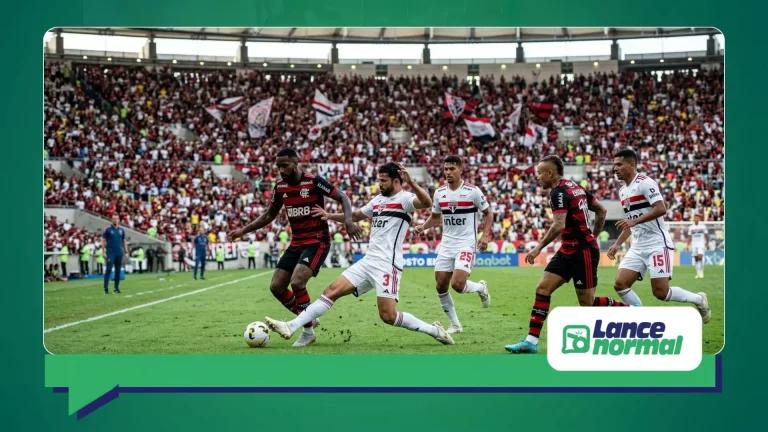


THE day to day life of a reserve player in professional football it is a universe apart, often invisible to the eyes of fans, but essential for the functioning of a team.
Advertisements
While the spotlight shines on the starters, the reserves live a routine of dedication, patience, and resilience, balancing physical, mental, and tactical preparation to be ready at any moment.
This text delves into this everyday life, revealing the nuances of a position that, although less celebrated, is crucial to collective success.
What is it like to live in the shadow of the incumbents, but with the desire to always be prepared?
The Invisible Routine: Intense Workouts and Constant Focus
The life of a reserve player begins early, often before that of the starters.
Advertisements
He arrives at the training center with the mission of proving his worth, even without the certainty of playing time.
The training routine is similar to that of the starters, but with added pressure: each exercise is an opportunity to impress the coach.
Strength, endurance and technique sessions take place in the morning, with an emphasis on position-specific fundamentals.
Advertisements
For example, a reserve full-back might work extensively on crossing, while a striker focuses on finishing.
A 2023 UEFA study revealed that reserves at elite European clubs train, on average, 10% more than starters, compensating for their lack of match fitness with extra workload.
This statistic underscores the intensity of the day to day life of a reserve player, who cannot afford to relax.
Additionally, many participate in tactical training with alternative teams, simulating opponents to help the starters prepare.
Imagine a supporting actor rehearsing tirelessly, knowing his scene may never come—that's the reality of the backup.
| Activity | Average Duration (h) | Main Objective |
|---|---|---|
| Physical training | 1,5 | Conditioning and injury prevention |
| Technical-tactical training | 2 | Improvement of fundamentals and integration |
| Video analysis | 0,5 | Study of opponents and strategies |
| Recovery (physiotherapy) | 1 | Body maintenance for high performance |
In addition to training, analyzing personal and opponent performance becomes a vital part of the routine.
Substitutes often watch recordings of previous games to better understand the plays and strategies they can apply when they get the opportunity to step onto the field.
+ What Happens to a Player When the Club Is Relegated?
The Mental Battle: Patience and Self-Confidence
Being a reserve is not just a physical issue, but a psychological challenge.
The uncertainty of when (or if) there will be a chance to play can shake confidence.
The player needs to stay motivated, even when facing the frustration of watching games from the bench.
Mindfulness techniques and psychological counseling are common among professional club reserves.
In Brazil, for example, clubs like Flamengo and Palmeiras invest in sports psychologists to support these athletes.
Consider the fictional case of João, a young midfielder for Athletico Paranaense.
João trains hard, but the incumbent is a seasoned veteran.
Node day to day life of a reserve player Like João, he has to deal with the pressure of always being ready, knowing that an injury or suspension could open a window of opportunity.
He participates in visualization sessions, imagining decisive plays, and talks weekly with a psychologist to strengthen his mental resilience.
This preparation is what keeps him in the running.
Why do some players give up while others persist?
The answer lies in the mindset.
Successful reserves turn waiting into learning, using the time to observe opponents, study tactics, and improve.
This proactive approach is what separates an ordinary reserve from one who, when called upon, changes the game.
Additionally, many players share their experiences and challenges on social media, creating a support network that can be crucial for mental health.
These interactions help normalize the difficulties faced and encourage resilience.

The Tactical Role: More Than a Substitute
In modern football, the day to day life of a reserve player goes beyond simply “replacing” an incumbent.
They are fundamental tactical pieces.
Coaches like Tite and Abel Ferreira value reserves who understand the game system and can come on without destabilizing the team.
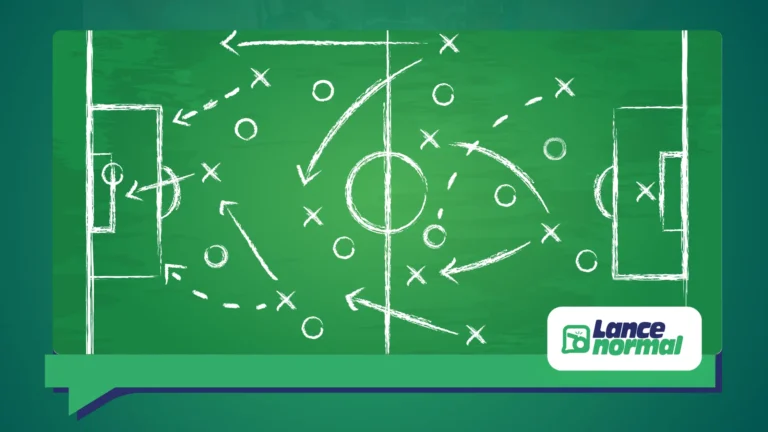
During the week, these athletes participate in tactical simulations, often acting as sparring partners for the starters, replicating the style of their upcoming opponent.
An original example is Mariana, a reserve defender for a women's team in the Brasileirão Série A1.
Node day to day life of a reserve player, she studies videos of opposing attackers, memorizing movement patterns.
When called upon, as in a championship semifinal, Mariana came on in the second half and neutralized the opposing team's main player, guaranteeing qualification.
This impact shows that the reserve is not just a “plan B”, but a strategic element.
| Tactical Function | Activity Example | Impact on the Game |
|---|---|---|
| Opponent simulation | Replicate your opponent's style in training | Preparation of holders |
| One-off replacement | Enter to secure the result or change the pace | Stability or game changer |
| Versatility | Train in multiple positions | Tactical flexibility for the coach |
| Leadership in the bank | Motivate teammates during games | Cast cohesion |
Furthermore, the ability to adapt quickly is a valued skill, as it allows the reserve to contribute in various game situations.
This versatility can be the key to gaining more minutes on the field, especially in critical moments.
++ How Performance Bonuses Work in Player Contracts
Life Off the Field: Balance and Commitment
Outside the training center, the day to day life of a reserve player demands exemplary discipline.
Food is controlled, with nutritionists monitoring each meal to ensure performance.
Sleep is a priority, with many athletes using devices to track the quality of their rest.
Additionally, free time is often devoted to activities that reinforce focus, such as reading about leadership or hobbies that relieve stress.
Reserves also face a social dilemma.
While starters often deal with the spotlight, reserves have less exposure, which can be a relief but also a source of frustration.
They need to remain humble, but without losing their ambition.
Brazilian clubs, such as São Paulo, promote group dynamics to integrate reserves and starters, avoiding divisions in the squad.
These interactions help build a cohesive team environment where all players feel valued, regardless of their playing time.
Additionally, many clubs offer personal development programs that include workshops on financial management and mental health, preparing players for life after football.
The Impact on the Team: An Invisible Link
THE day to day life of a reserve player is, in essence, an act of altruism.
They sacrifice minutes on the field for the greater good of the team.
In crucial moments, such as injuries or intense championship rounds, it is the reserves who ensure continuity.
During the 2021 Libertadores, for example, Palmeiras relied on reserves like Danilo and Gabriel Menino to win the title, showing how the bench is a competitive differentiator.
This dynamic is like a silent gear: it doesn't show, but it keeps the machine running.
Without the reserves, the pace of the starters would be unsustainable.
They absorb the pressure of training, maintain a level of competitiveness, and bring new energy to games.
The fans may not notice, but the coach knows: the reserve is the hidden heart of the team.
Additionally, the presence of experienced reserve players can serve as a guide for younger players, helping to shape the club's culture and prepare the next generation of athletes.

Challenges and Opportunities: The Path to Ownership
Despite the challenges, the day to day life of a reserve player it is also a school of patience and growth.
Every training session, every game on the bench, is a chance to learn.
Many players who shine today, like Vinicius Jr., were once reserves, using their time on the bench to observe and develop.
The key is to turn waiting into preparation.
The reserves face a competitive market, where patience can be tested by offers from other clubs.
In Brazil, turnover is high: according to the CBF, around 60% of Serie A players changed clubs between 2022 and 2024, many in search of more minutes.
For the reserve, the decision between waiting for the chance or seeking a new path is constant.
Additionally, many players use social media to share their stories and challenges, creating a connection with fans that can be valuable for both their careers and their mental health.
These narratives help humanize the role of the reserve player, showing that they also have aspirations and challenges.
Conclusion: The Value of the Invisible
THE day to day life of a reserve player It is a journey of dedication, resilience and strategy.
They are the unsung heroes of football, ready to shine when called upon.
Whether in intense training, mental preparation, or tactical roles, these athletes show that a team's success doesn't just depend on the eleven players on the field, but on a united and prepared squad.
The next time you watch a game, remember: on the bench, there is someone whose quiet effort can change everything.
Furthermore, recognition of the role of reserves has grown, with clubs and fans beginning to value their contributions more, both on and off the field.
This change in perspective is fundamental for the future of football and for the appreciation of all athletes involved.