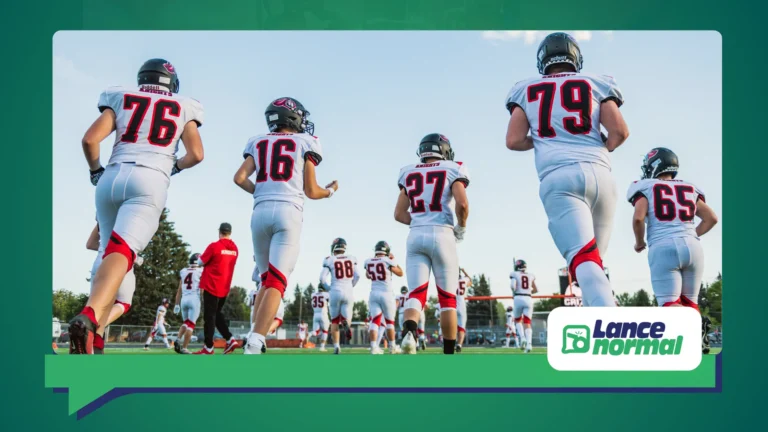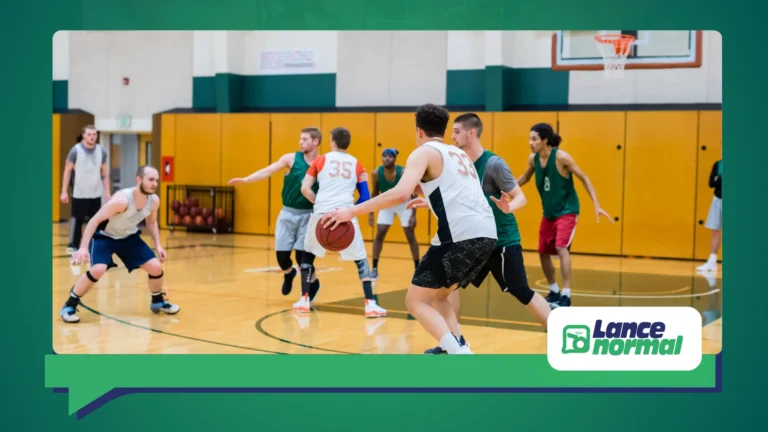


Sports as a business has transformed the essence of competitions, combining passion, entertainment, and profitability in a dynamic that goes beyond the field.
Advertisements
What was once just a celebration of physical skill and competitive spirit is now a billion-dollar industry, driven by commercial strategies, sponsorships, and global interests.
But to what extent does this commercialization interfere with the soul of the game?
This text delves into the layers of sport as a business, exploring its implications, benefits, and challenges, with a critical and current lens on the Brazilian and global scenario.
Furthermore, the growing influence of social media has changed the way fans connect with their teams and athletes, creating new engagement dynamics.
Advertisements
This evolution brings both opportunities and challenges to the authenticity of the sport.
The Evolution of Sports into a Profit Machine
Decades ago, sport was synonymous with community.
Local clubs, regional fan bases and cultural rivalries defined football, volleyball and basketball.
Advertisements
Today, globalization has reshaped this landscape.
Sports franchises operate like corporations, with budgets that rival tech companies.
A clear example is European football: Paris Saint-Germain, boosted by investments from Qatar, is not just a team, but a global brand that sells shirts, tickets and experiences.
This transformation is not accidental.
Sports as a business gained momentum with the rise of television and, more recently, streaming.
The English Premier League, for example, earned £5.5 billion in broadcast rights in the 2022/2023 season, according to Deloitte.
This amount finances astronomical salaries, million-dollar signings, and cutting-edge infrastructure, but it also puts pressure on clubs to prioritize profit over tradition.
In Brazil, the sale of TV rights and sponsorships represents up to 70% of the revenue of big clubs, such as Flamengo and Palmeiras.
Source of Revenue
| Average Percentage (Brazilian Clubs) |
|---|
| TV Rights |
| Sponsorships |
| Ticket sales |
| Licensing and merchandising |
Furthermore, this evolution has led clubs to seek strategic partnerships to maximize their revenue.
Diversifying revenue sources is crucial to the financial sustainability of clubs.
The Impact on Athletes: Heroes or Products?
Athletes are the heart of sport, but sport as a business has turned them into commercial assets.
Endorsement deals like Neymar's with Nike generate millions, but they require players to be more than competitors: they need to be influencers, role models, and brand ambassadors.
This pressure can be overwhelming.
Imagine a young basketball player from the interior of São Paulo, like Lucas, 19, who dreams of the NBB.
He trains tirelessly, but he knows that to reach the top, playing well isn't enough — he needs visibility on social media and an agent to manage his image.
This reality creates a paradox.
On the one hand, financial investment raises the technical level, with cutting-edge academies and multidisciplinary teams.
On the other hand, the search for immediate results can compromise the mental and physical health of athletes.
Overplay injuries, like those suffered by soccer stars, are a symptom of this.
The analogy is clear: sport as a business is like a powerful engine, capable of accelerating performance, but which, without care, can burn out its most valuable components.
Furthermore, psychological support and career management are increasingly necessary to help athletes deal with this pressure.
Caring for athletes' mental health should be a priority in modern sport.
+ Why Some Clubs Use “SAF” and What It Means
The Fan Experience: Passion or Consumption?
The fans, the beating soul of the sport, also feel the effects of this transformation.
Expensive tickets, pay-per-view, and streaming subscriptions have made access to games a privilege.
In Brazil, the average price of a Serie A ticket rose 30% between 2019 and 2024, alienating low-income fans.
At the same time, the experience has been enriched: modern stadiums, such as the Neo Química Arena, offer comfort and technology, while platforms like DAZN personalize sports consumption.
But there is an intangible cost.
Commercialization can dilute the cultural essence of the sport.
When a classic like Corinthians vs. Palmeiras is promoted as a global “product,” broadcast in 50 countries, the local rivalry loses some of its authenticity.
I ask: is the fan still the owner of the party or just a paying customer?

Average Ticket Cost (Serie A)
| Year | Popular Sector | Premium Sector |
|---|---|---|
| 2019 | R$ 30 | R$ 80 |
| 2024 | R$ 45 | R$ 120 |
Furthermore, fan loyalty through fan membership programs has become a common strategy among clubs.
These programs can help create a sense of belonging, but they also raise questions about exclusivity.
See also: What is Financial Fair Play and How Does It Affect Clubs?
The Role of Brands and the Power of Marketing
Brands see sport as a business as an unparalleled showcase.
Companies like Red Bull not only sponsor, but also create events, like Red Bull Cliff Diving, that combine sport and entertainment.
In Brazil, Brahma revolutionized sports marketing by transforming the “botequim” into a space to connect with football, with campaigns that celebrate fans.
These strategies amplify the sport’s reach, but also shape narratives.
A decisive goal may be less about the player's talent and more about the hype that accompanies it.
This phenomenon is not neutral.
Too many commercials during broadcasts, for example, fragment the viewer experience.
Furthermore, dependence on sponsorships can compromise the autonomy of clubs and federations, which become hostage to corporate interests.
For more information on sports marketing, you can check out the website SportBusiness.
The intersection between brands and sport is a complex area that requires balance and ethics.
The Positive Side: Innovation and Democratization
Not everything is criticism.
Sport as a business has brought undeniable advances.
Technology, funded by commercial profits, revolutionized the game.
VAR (video referee), despite being controversial, seeks fairness in decisions.
Performance analysis apps like Wyscout allow coaches to discover talent in remote regions, democratizing opportunities.
A fictional but plausible case is that of Maria, a women's soccer player from Alagoas, discovered by a scout through online performance data, who now shines in Europe.
Furthermore, investment in less popular sports, such as skateboarding and surfing, has grown.
The inclusion of these sports in the Tokyo 2020 Olympics, driven by commercial appeal, gave visibility to athletes like Rayssa Leal, who inspire millions.
The statistics are revealing: according to the IBGE, the number of skateboarders in Brazil grew 25% between 2018 and 2023, a reflection of this new spotlight.
Additionally, inclusion and diversity initiatives have gained momentum, promoting a more welcoming environment for all athletes.
The democratization of sport is an important step towards a more inclusive future.

Ethical Challenges and the Future of Gaming
Despite the benefits, sport as a business raises ethical questions.
Financial inequality between clubs is an example.
While giants like Flamengo invest in million-dollar squads, smaller teams struggle to pay salaries.
On the global stage, the European Super League, proposed in 2021, was a warning: the pursuit of profit can create exclusive competitions, ignoring meritocracy.
Another challenge is sustainability.
Mega-events, such as World Cups, generate significant environmental impacts, with abandoned stadiums and high carbon emissions.
Qatar 2022, for example, has been criticized for its environmental and social costs.
The future demands a balance: how to maintain profitability without sacrificing the values of sport?
Furthermore, the social responsibility of sports organizations must be a priority on the future agenda.
Building a sustainable and ethical future is essential to preserving the integrity of the sport.
Conclusion: A Game of Equilibria
Sport as a business is a transformative force, capable of elevating the spectacle and expanding access, but also of distorting priorities.
It injects resources, but it exacts a price: fan authenticity, athlete health, and equality in the game are at stake.
It's up to us, sports lovers, to demand that this billion-dollar industry respect its roots.
After all, sport is more than a business — it is an expression of the human soul.
Furthermore, promoting open dialogue about the future of the sport can help find solutions that benefit everyone involved.
Building a healthy and fair sports environment is everyone's responsibility.