
The growing presence of urban sports in the Olympic arena redefines sporting, cultural, and media priorities, reflecting profound transformations in the behavior of cities, global youth, and contemporary dynamics of sports consumption.
Advertisements
By incorporating practices born outside traditional arenas, the Olympic movement seeks to reconnect with young audiences, digital environments, and cultural expressions previously marginalized by institutionalized sport.
These changes don't happen by chance; they respond to pressure for relevance, diversity, and innovation, especially in the face of competition from digital entertainment and new forms of social engagement.
Urban cultural forms carry their own narratives, linked to the street, local identity, and creativity, offering human stories that engage with contemporary values such as inclusion, freedom, and authenticity.
The central challenge lies in balancing this spontaneous essence with the Olympic structure, marked by rigid rules, centuries-old tradition, and complex political, economic, and media interests.
Advertisements
This article analyzes how this integration has been occurring, its cultural and institutional impacts, and what it reveals about the future of the Olympic Games in the 21st century.
The origin of urban sports in the sporting context.
Urban sports emerged as cultural expressions before being recognized as sports, developing in streets, squares, and public spaces, often associated with marginalized youth and social protest movements.
Skateboarding, breakdancing, and BMX freestyle grew outside of formal federations, driven by autonomous communities, independent videos, and an ethic of creative freedom that resisted competitive standardization.
Advertisements
For decades, these practices were seen as countercultural, facing institutional prejudice, urban criminalization, and a lack of government support, despite their growing popularity in large metropolitan centers.
The turning point came when global brands and international events realized the commercial and media potential of these sports, creating professional circuits and expanding their global visibility.
This process of institutionalization generated internal tensions, as many practitioners feared losing autonomy, cultural identity, and narrative control over their own sporting practices.
Over time, however, some of these communities began to negotiate spaces within the formal sports system, seeking recognition, financial sustainability, and access to structured public policies.
++ Triathlon and the challenge of extreme endurance.
The inclusion of urban sports in the Olympic Games
The inclusion of urban sports in the Olympic Games reflects a deliberate strategy by the International Olympic Committee to modernize its image and attract younger, more digitally connected audiences.
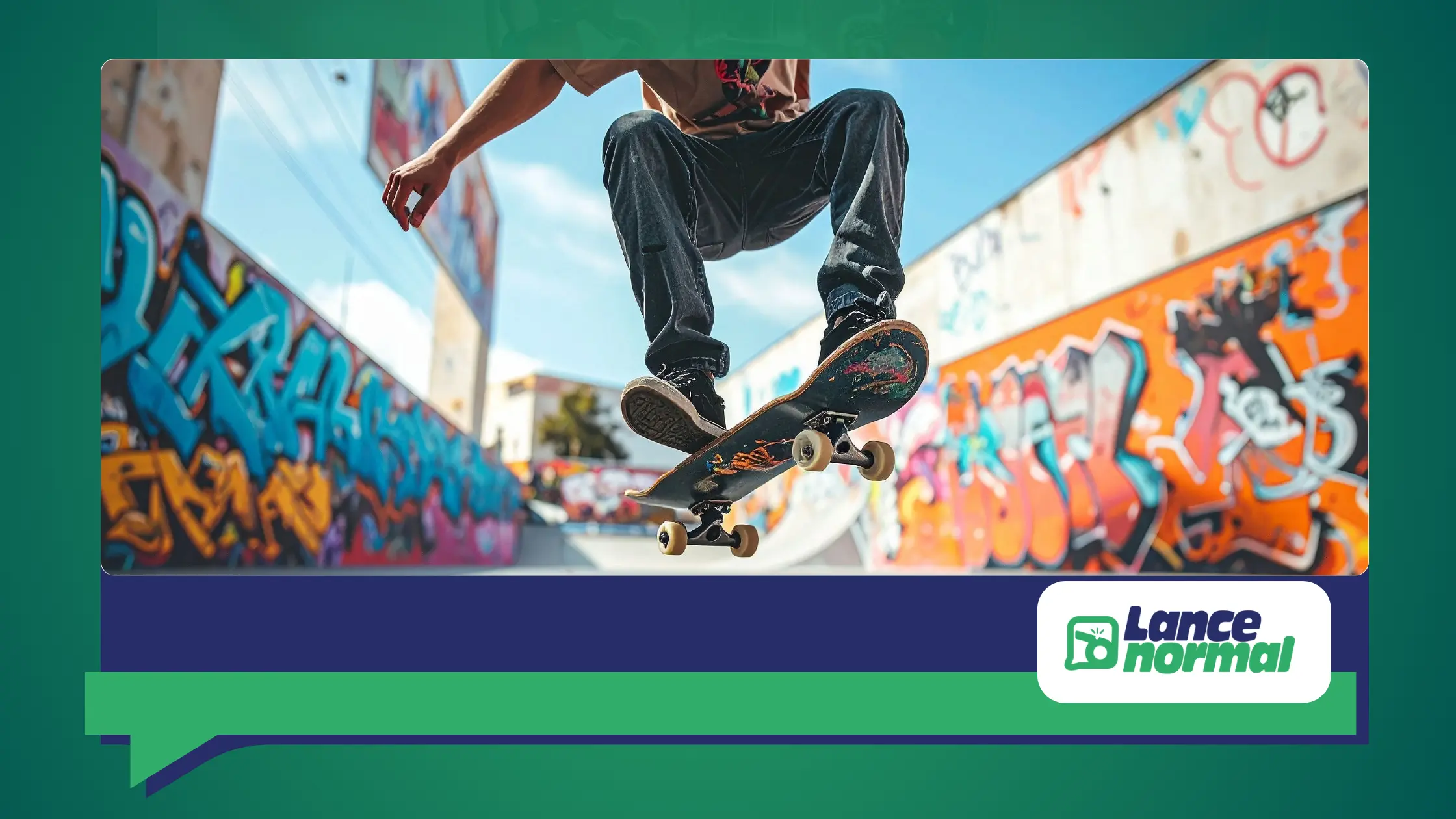
Skateboarding and BMX freestyle debuted at Tokyo 2020, while breakdancing was confirmed for Paris 2024, symbolizing an unprecedented opening to urban sporting languages.
According to official guidelines of International Olympic CommitteeThe flexibility to test new sports allows host cities to propose sports aligned with their cultural identities.
This model breaks with the traditional logic of fixed sports, introducing a dynamic curation that responds to global trends and the evolution of sports consumption habits.
Athletes like Rayssa Leal have become symbols of this transition, combining competitive excellence, cultural authenticity, and enormous reach on social media, expanding the impact of sport beyond the arenas.
Despite its success in viewership, criticism persists regarding the standardization of formats, subjective judgments, and the potential distortion of the original sports within the Olympic environment.
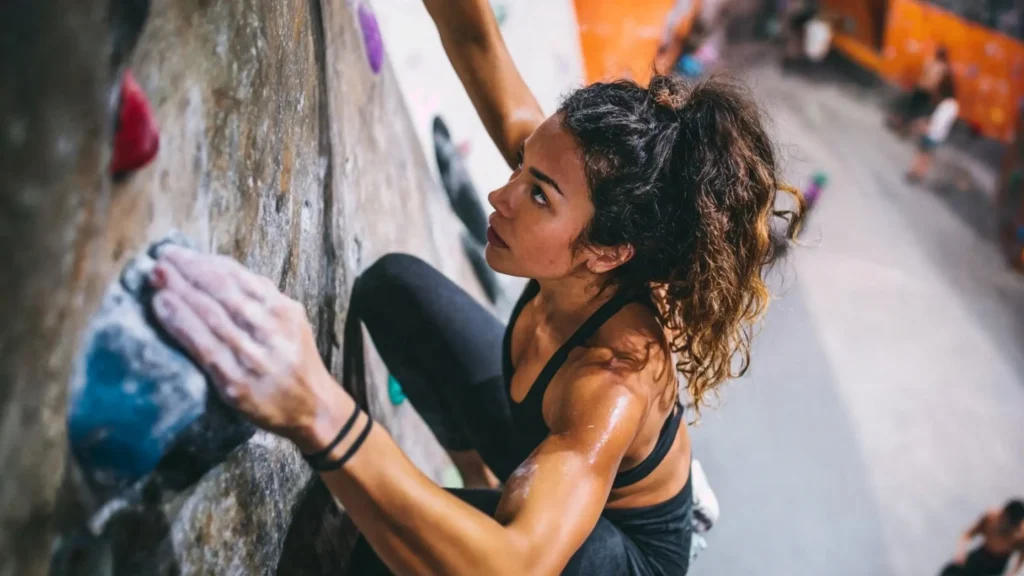
Cultural and social impacts of this integration
The Olympic presence of urban sports legitimizes historically marginalized practices, transforming social perceptions and opening doors for public investment in urban sports infrastructure.
In several cities, skate parks and multi-functional spaces have come to be seen as cultural facilities, not just sports venues, promoting community interaction, inclusion, and meaningful use of public space.
This institutional recognition also influences educational policies, with schools incorporating urban practices into pedagogical projects linked to art, movement, and youth identity.
Entities such as World Skate They act as mediators between local communities and international structures, attempting to preserve cultural values while organizing global competitions.
However, there are risks of symbolic gentrification, when urban spaces are remodeled for international events, driving away local practitioners and distorting original community dynamics.
The cultural challenge lies in ensuring that the global growth of these modalities does not erase their roots, histories, and the peripheral voices that gave them origin and social meaning.
++ The future of eSports: digital sports as a global phenomenon.
Transformations in the profile of the Olympic athlete.
The arrival of urban sports profoundly alters the profile of the Olympic athlete, valuing creativity, personal style and individual expression, in addition to measurable technical performance.
Unlike traditional sports, where standardization of body type and technique predominates, urban athletes construct unique identities, often linked to fashion, music, and digital language.
Many of these athletes begin their careers very young, developing skills outside of formal clubs, in informal environments that encourage experimentation and autonomy from an early age.
The relationship with the public also changes, as these competitors maintain direct communication via social media, creating their own narratives and reducing their dependence on media intermediaries.
This new profile challenges federations and committees to rethink models of training, psychological support, and career management, considering less linear and more hybrid trajectories.
At the same time, debates are emerging about premature pressure, excessive commercialization, and the balance between creative freedom and the demands of high Olympic performance.
++ How to analyze usage rate and what it really says about a player.
The role of media and digital platforms
Urban cultural modalities have developed in sync with digital media, using short videos, independent broadcasts, and social networks as the main channels for cultural dissemination.
This history influences how these sports are presented at the Olympic Games, with more dynamic broadcasts, modern visual language, and a focus on individual storytelling.
Digital platforms broaden the global reach of these sports, allowing athletes to become cultural icons even outside the traditional Olympic cycle.
Algorithmic logic favors visually striking performances, which can influence judging criteria and aesthetic choices within official competitions.
On the other hand, the reliance on digital metrics raises questions about superficiality, standardization of styles, and loss of creative diversity in the pursuit of virality.
Olympic media therefore faces the challenge of translating these practices without emptying them of their cultural complexity, respecting their own rhythms and languages.
Institutional and regulatory challenges
Integrating urban sports into the Olympic system requires profound regulatory adaptations, especially in judging criteria, governance, and representation of grassroots communities.
Many of these sports have a strong tradition of self-organization, which clashes with the hierarchical and bureaucratic structures of international federations.
Defining standardized rules can lead to conflict, as styles and approaches vary widely across different regions, cultures, and urban contexts.
Issues of subjective arbitration are also gaining prominence, requiring transparency, diversity of jurors, and constant review of evaluation criteria.
Furthermore, there are disputes over political and economic control, involving sponsorships, broadcasting rights, and the distribution of financial resources.
These institutional challenges will determine whether the Olympic presence will strengthen or weaken the authenticity of urban sports in the long term.
Future prospects for the Olympic Games
The future of the Olympic Games will depend on the ability to engage with emerging cultures without absorbing them in a predatory or superficial way.
Urban sports offer ways to renew formats, spaces, and narratives, bringing the Games closer to real cities and their inhabitants.
More decentralized events, temporary arenas, and integration with urban public spaces are likely to gain prominence in future Olympic Games.
The table below illustrates some urban sports already incorporated or under observation in the recent Olympic program.
| Modality | Olympic Debut | Urban Origin | Predominant Audience |
|---|---|---|---|
| Skateboarding | Tokyo 2020 | Streets and squares | Urban youth |
| BMX Freestyle | Tokyo 2020 | Urban environments | Global youth |
| Breaking | Paris 2024 | Hip-hop culture | Peripheral communities |
These choices indicate a continued openness to hybrid practices, where sport, culture, and entertainment intertwine in unprecedented ways.
If managed well, this transformation can guarantee longevity, social relevance, and cultural diversity to the Olympic movement in the coming decades.
Conclusion
The incorporation of urban sports represents more than just a sporting change; it signals a profound cultural reorientation of the Olympic Games in the face of an urban and digital world.
These modalities challenge traditional structures, introducing new aesthetics, values, and forms of engagement that reflect contemporary social transformations.
The success of this integration will depend on respect for cultural origins, actively listening to communities, and continued institutional flexibility.
By balancing tradition and innovation, the Olympic Games can reaffirm their role as a living mirror of constantly transforming global cultures.
FAQ
1. What are urban sports in the Olympic Games?
These are sports originating in informal urban contexts, incorporated into the Olympic program due to their cultural relevance, appeal to young people, and strong contemporary media presence.
2. Why is the Olympic Committee investing in these sports?
To modernize the Games, attract new audiences, and respond to competition with other forms of digital and sporting entertainment.
3. Do these sports lose their essence when they become Olympic sports?
This risk exists, but inclusive policies and dialogue with communities can preserve original cultural and creative identities.
4. Which urban sports are already part of the Olympics?
Skateboarding, BMX freestyle, and breakdancing are recent examples officially incorporated into the Olympic program.
5. Could other urban transportation models be introduced in the future?
Yes, sports like parkour and urban surfing are often discussed as possible future candidates.