

Pilates and Yoga for Physical and Mental Preparation!
Advertisements
Have you ever wondered why so many people seek refuge in ancient and modern practices to balance body and mind in a fast-paced world?
Pilates and yoga are emerging as essential allies in physical and mental preparation, offering personalized paths for those who want to strengthen muscles while calming turbulent thoughts.
Transformative Power of Pilates and Yoga
These disciplines encourage a deep connection between intentional movement and conscious breathing, fostering resilience that extends beyond the mat or the studio.
So, by diving into Pilates, you activate deep muscles that support daily posture, while yoga expands emotional flexibility to deal with everyday stresses.
Advertisements
However, what sets these practices apart is how they adapt to different lifestyles, allowing beginners and advanced practitioners alike to reap the benefits without pushing unnecessary boundaries.
Thus, integrating Pilates and yoga into physical and mental preparation transforms common routines into journeys of self-discovery and renewed vigor.
Consequently, health professionals recommend these activities to combat modern sedentary lifestyles, where screens dominate and movement is scarce.
Advertisements
For example, athletes use Pilates to refine precise techniques, and yogis explore postures to cultivate inner patience.
In this way, physical and mental preparation through Pilates and yoga not only builds strength, but also forges an agile mind ready for unpredictable challenges.
Differences and Similarities Between Pilates and Yoga
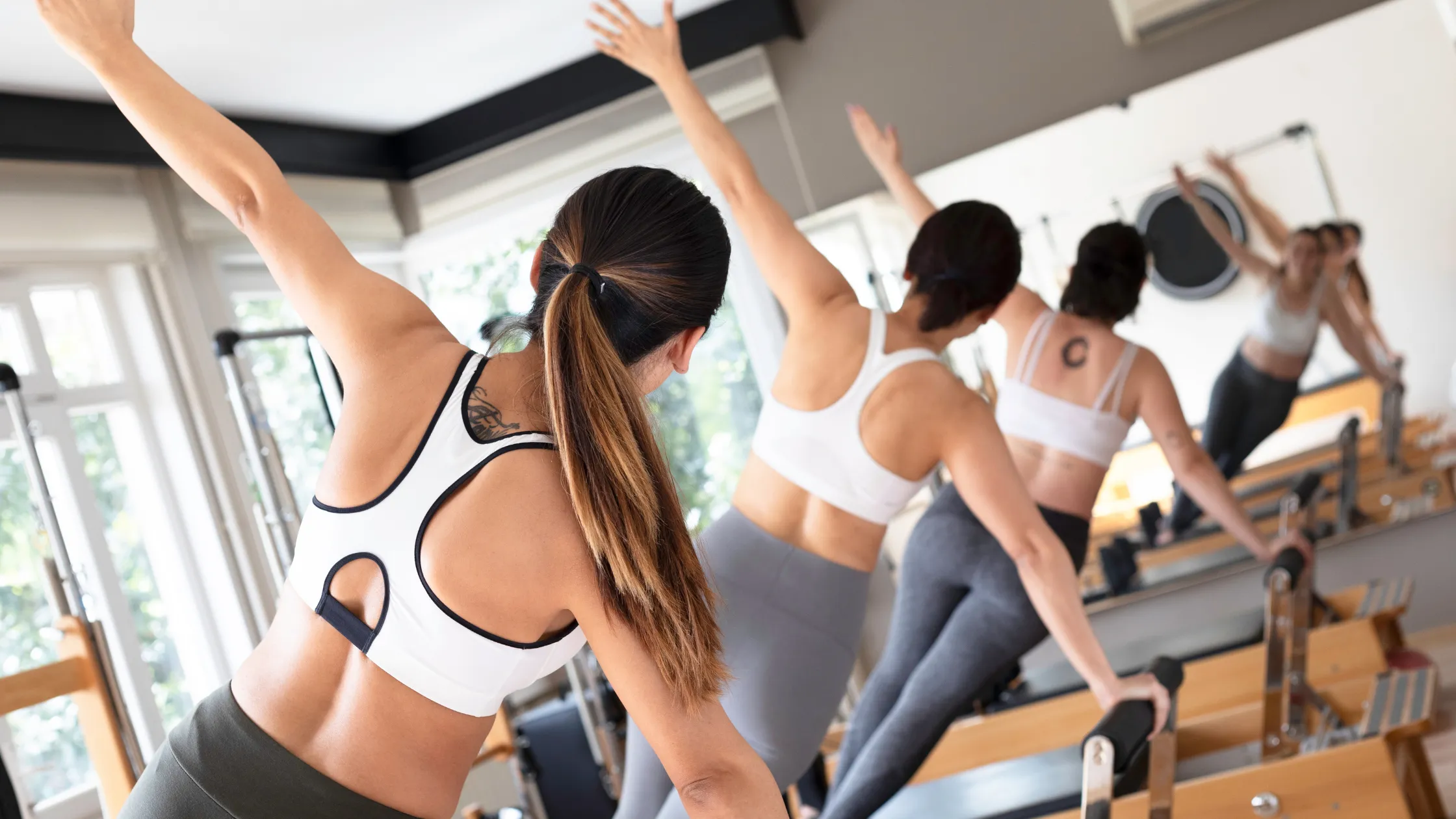
Pilates focuses on controlled exercises that strengthen the core, improving body stability for intense daily activities.
Yoga, on the other hand, emphasizes dynamic flows that unite body and spirit, encouraging holistic awareness.
Additionally, while Pilates uses equipment for precise resistance, yoga relies primarily on body weight, making it accessible anywhere.
However, both practices share the principle of intentional breathing, which synchronizes movements and thoughts to maximize efficiency.
So you see similarities in the emphasis on postural alignment, which prevents injuries and promotes physical longevity.
Thus, by combining Pilates and yoga in physical and mental preparation, you create a synergy that amplifies results, such as greater balance and reduced accumulated fatigue.
++ Calisthenics as an Accessible Option for Urban Practitioners
Consequently, Pilates appeals to those seeking post-injury rehabilitation, offering gradual progressions that rebuild muscle confidence.
Yoga, on the other hand, appeals to spiritual explorers who want to meditate in motion.
Therefore, understanding these nuances allows you to customize routines, ensuring that physical and mental preparation meets individual needs without overburdening the practitioner.
Physical Benefits of Pilates and Yoga
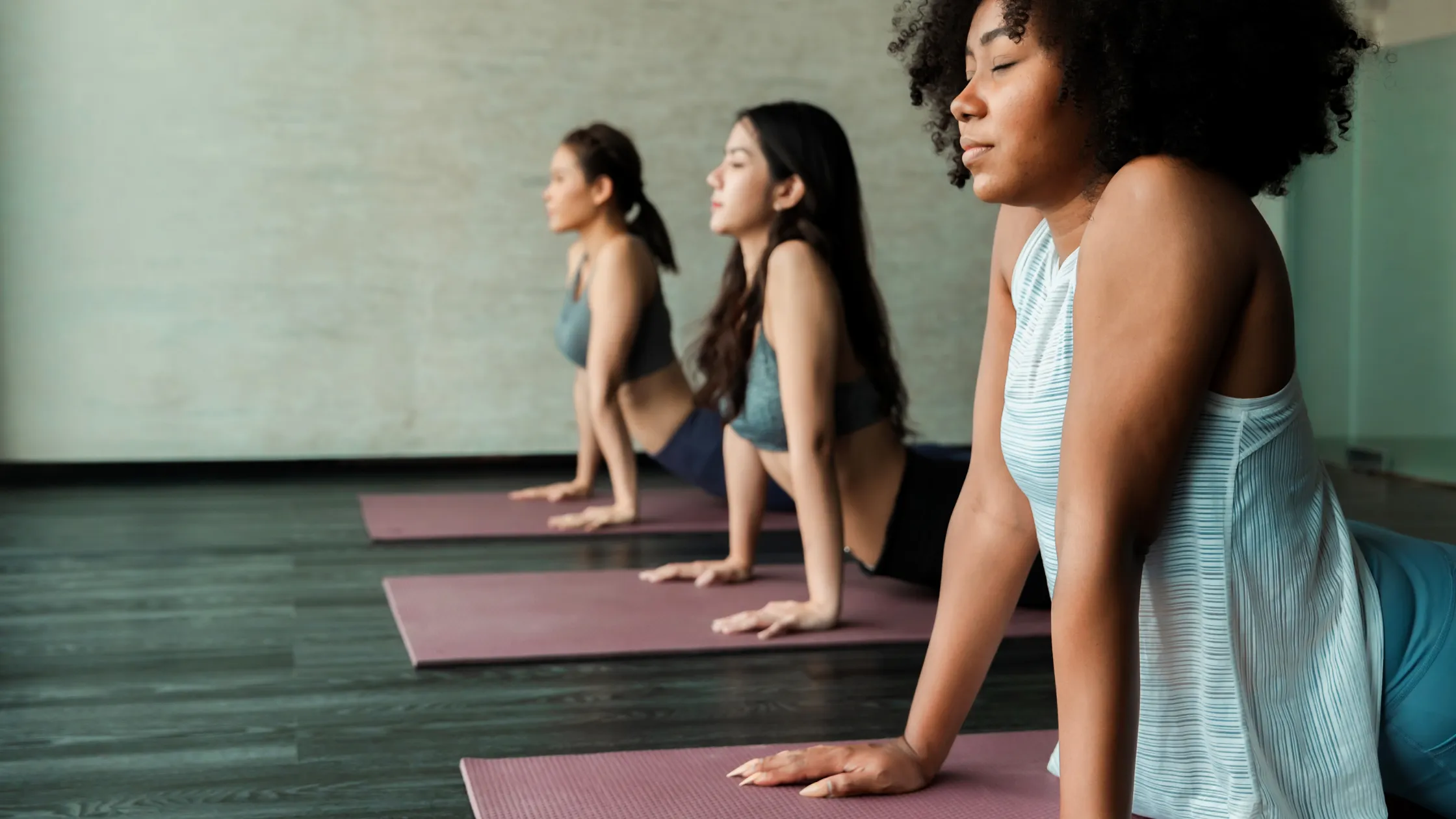
Pilates builds a solid muscle foundation by engaging deep muscle groups, improving posture, and preventing lower back pain common in office workers.
Additionally, the exercises promote joint flexibility, allowing fluid movements that improve performance in sports such as running or swimming.
Therefore, regular exercisers notice gains in endurance, transforming sedentary bodies into efficient machines.
However, yoga complements this with stretches that release accumulated tension, increasing range of motion and reducing the risk of sprains.
++ How to Use Artificial Intelligence to Assess Your Performance
So, by practicing poses like downward-facing dog, you strengthen your legs and arms while improving blood circulation.
Consequently, this integrated approach to Pilates and yoga in physical and mental preparation optimizes post-workout recovery, accelerating strength gains without excessive exhaustion.
For example, runners incorporate yoga to stretch tight hamstrings, preventing chronic injuries that hinder progress.
In this way, Pilates adds stability to the hips, essential for maintaining consistent paces in marathons.
Thus, these practices not only tone muscles, but also refine coordination, preparing the body for the varied demands of everyday life.
Pilates and yoga for physical and mental fitness: Mental Benefits of Pilates and Yoga
Yoga cultivates mindfulness through guided meditations in postures, helping to dispel anxiety by focusing on the immediate present.
Additionally, pranayama breathing regulates the nervous system, promoting mental clarity amid chaotic routines.
Therefore, practitioners experience reductions in ruminating thoughts, replacing them with lasting serenity.
However, Pilates requires precise concentration on each repetition, training the mind to persist in challenging tasks without distractions.
Thus, this discipline builds emotional resilience, equipping individuals to manage professional stresses with greater composure.
Consequently, by combining Pilates and yoga for physical and mental preparation, you develop cognitive tools that improve focus and decision-making.
For example, executives use yoga sessions as mental breaks, recharging creative energy before important meetings.
In this way, Pilates strengthens self-confidence by mastering complex exercises, combating insecurities that sabotage productivity.
Thus, these practices foster a mental balance that sustains long-term ambitions without skipping steps.
Integrating Pilates and Yoga into Your Daily Routine
Start incorporating short Pilates sessions in the morning to activate your core and prepare your body for the day.
Also, set aside evenings for restorative yoga, which relaxes tense muscles and prepares the mind for restful sleep.
Therefore, this temporal division maximizes benefits, avoiding fatigue and promoting consistent adherence.
However, adapt routines to busy schedules, such as combining elements into lunch breaks to maintain momentum.
So, use modern apps that guide hybrid practices, combining Pilates and yoga for physical and mental preparation without expensive equipment.
Consequently, you build sustainable habits that evolve over time, adjusting intensity as you progress.
For example, busy parents incorporate family yoga into their weekends, strengthening bonds while improving collective flexibility.
This way, Pilates in the home office corrects bad screen postures, preventing pain that distracts from focus.
Thus, this intelligent integration transforms daily obligations into opportunities for physical and mental growth.
Original Examples of Practical Application
Imagine a graphic designer named Ana who struggles with back pain after hours at the computer.
She starts Pilates three times a week, focusing on lower back stabilization exercises, and finds her creativity flows better without painful distractions.
Additionally, by incorporating yoga into the end of the day, Ana uses inverted postures to relieve neck tension, resulting in more innovative projects and deadlines met with ease.
However, consider the case of Pedro, an engineer stressed by tight deadlines.
He adopts morning yoga to meditate in gentle flows, reducing anxiety that previously caused technical errors.
Thus, by complementing Pilates in the afternoon, Pedro strengthens his arms and shoulders for manual tasks, increasing his efficiency on the field and leading to well-deserved promotions.
Consequently, these examples illustrate how Pilates and yoga in physical and mental fitness adapt to a variety of professions.
For example, Ana and Pedro customize practices for specific challenges, turning obstacles into competitive advantages.
This way, you see the real potential of these disciplines in everyday scenarios, encouraging personal experimentation.
Relevant Statistics on Measurable Impacts
Studies show that Pilates significantly improves quality of life.
According to research, practitioners saw the physical component rise from 58.5% to 90.5%, while the mental component reached 93.5% after regular interventions.
Furthermore, this quantifiable improvement encourages adherence, proving that Pilates and yoga in physical and mental preparation deliver tangible results beyond subjective sensations.
However, yoga complements these data by reducing cortisol levels by up to 20% in weekly sessions, according to participant reports.
Therefore, by combining practices, you amplify these gains, creating a virtuous cycle of comprehensive health.
Thus, statistics like these validate investments in routines that prioritize balance.
Consequently, health professionals use these numbers to prescribe Pilates and yoga as preventative therapies.
For example, in corporate contexts, companies see declines in stress-related absences after hybrid programs.
Thus, the data reinforces arguments for adopting these practices in everyday life.
Analogy to Understand Synergy
Think of Pilates and yoga as architects building a sturdy bridge over a turbulent river: Pilates erects firm pillars of muscular strength to support heavy loads, while yoga weaves flexible cables of mental resilience to adapt to unpredictable winds.
Furthermore, just as a bridge connects distant shores, these practices unite the physical and mental, allowing safe crossings through life's challenges.
However, without Pilates, the structure collapses under pressure; without yoga, it stiffens and breaks.
Therefore, the analogy highlights how Pilates and yoga in physical and mental fitness create a lasting infrastructure, where each element reinforces the other for overall stability.
Consequently, you apply this vision to routines, prioritizing solid foundations over expansions.
For example, athletes use the analogy to plan workouts, avoiding collapses due to overload.
Thus, this intelligent perspective motivates consistent and innovative practices.
Pilates and yoga for physical and mental fitness: Comparison between Pilates and Yoga
| Aspect | Pilates | Yoga |
|---|---|---|
| Main Focus | Core strengthening and precise muscle control | Flexibility, balance and mind-body connection |
| Equipment | Equipment such as a reformer for resistance | Mainly mat, blocks and optional straps |
| Typical Session Length | 45-60 minutes, with controlled repetitions | 30-90 minutes, with flows and meditations |
| Physical Benefits | Improves posture and joint stability | Increases range of motion and functional strength |
| Mental Benefits | Increases concentration and resilience | Reduces anxiety through mindfulness |
This table illustrates key differences, helping you choose or combine Pilates and yoga for physical and mental fitness.
Additionally, she highlights synergies, such as using Pilates for foundation and yoga for expansion.
However, tailor your choices to your personal goals, such as rehabilitation through Pilates or relaxation through yoga.
Therefore, the table serves as a practical guide for beginners.
Benefits Integrated in Table
| Benefit | Description in Pilates | Description in Yoga | Combined Impact |
|---|---|---|---|
| Muscle Strength | Engages deep muscles for a strong core | Sustained postures build endurance | Body resistant to daily injuries |
| Stress Reduction | Concentration on movements calms the mind | Pranayama breathing regulates emotions | Greater clarity in stressful decisions |
| Flexibility | Controlled stretching improves mobility | Dynamic flows release tensions | Fluid movements in varied activities |
| Mental Balance | Persistence in exercise builds confidence | Meditation promotes acceptance | Resilience to unpredictable challenges |
This table summarizes the benefits, encouraging Pilates and yoga for physical and mental fitness. This way, you can see how practices complement each other.
Therefore, use it to plan hybrid sessions.
Frequently Asked Questions: Pilates and Yoga for Physical and Mental Fitness
| Question | Response |
|---|---|
| Which is better for beginners: Pilates or yoga? | It depends on your goal; Pilates offers controlled structure for those seeking strength, while yoga is more fluid for initial relaxation. Start with guided classes for both. |
| Can I practice Pilates and yoga on the same day? | Yes, alternate to avoid fatigue; Pilates in the morning for energy, yoga in the evening for mental recovery. Monitor your body for adjustments. |
| Do these practices help with sleep problems? | Absolutely; yoga reduces insomnia through relaxation, and Pilates improves sleep quality by relieving physical pain. Incorporate it into your nighttime routine. |
| Do I need expensive equipment? | Not necessarily; yoga only requires a mat, and Pilates can begin with mat exercises before using equipment. Accessibility is key. |
| How long does it take to see results? | Typically, 4–6 weeks of consistent practice yields noticeable improvements in posture and mood. Patience yields lasting results. |
This table addresses common questions about Pilates and yoga for physical and mental preparation.
Additionally, she encourages professional consultations for customizations.
However, you can expand your knowledge with certified instructors. So, use the answers as a starting point.
Advanced Strategies to Maximize Results
Advance by combining Pilates with vinyasa yoga variations for dynamic flows that challenge physical limits.
Additionally, incorporate post-session mindfulness meditation to deepen mental benefits, transforming practices into holistic rituals.
Therefore, you elevate your physical and mental fitness to professional levels, like athletes who use these tools for peak performance.
However, monitor progress with journals, recording gains in flexibility and reduced anxiety.
Therefore, adjust intensities based on body feedback, avoiding plateaus common in monotonous routines.
Consequently, this proactive approach keeps motivation high, ensuring long-term adherence.
For example, personal trainers integrate Pilates into rehabilitation protocols, accelerating returns to activity.
In this way, yoga adds emotional layers, helping patients overcome psychological barriers.
Thus, advanced strategies solidify Pilates and yoga as pillars of physical and mental preparation.
Impact on Productivity and Daily Well-Being
Pilates improves daily focus by training the mind for precise sequences, increasing efficiency in cognitive tasks.
Additionally, yoga dissolves mental blocks, allowing innovative ideas to flow freely in creative environments.
Therefore, professionals notice leaps in productivity after adopting these practices regularly.
However, ignore myths that it takes hours; 20-minute sessions are enough for noticeable impacts.
So, incorporate yoga breaks into your work schedule for quick recharges.
Consequently, the balance achieved through Pilates and yoga in physical and mental preparation supports sustainable well-being.
For example, entrepreneurs use Pilates to maintain upright postures in long meetings, projecting confidence.
In this way, yoga at night processes the day, preventing accumulated burnout.
Thus, these disciplines boost careers by aligning body and mind for consistent success.
Considerations for Different Ages and Conditions
Young adults explore Pilates to build athletic foundations, preventing injuries in recreational sports.
Furthermore, yoga helps them manage academic stress, fostering early emotional maturity. Therefore, adaptations ensure safety, with modifications for beginner levels.
However, seniors prioritize restorative yoga to maintain joint mobility without impact.
Thus, supported Pilates improves balance, reducing the risk of common falls.
Consequently, Pilates and yoga in physical and mental preparation adapt to life cycles, promoting vitality at all stages.
For example, pregnant women use prenatal yoga to strengthen their pelvis, relieving discomfort. Similarly, postpartum Pilates rebuilds the core, speeding recovery.
Thus, age considerations enrich practices, making them inclusive and effective.
Conclusion: Pilates and yoga for physical and mental preparation
Pilates and yoga revolutionize physical and mental fitness by offering accessible tools for a fulfilling life.
Furthermore, by embracing these disciplines, you invest in yourself, reaping rewards that transcend the immediate.
So get started today, and see how intentional movements shape resilient destinies.
However, remember to consult experts for personalized guidance. This way, the journey becomes empowering and sustainable.
Consequently, Pilates and yoga have established themselves as indispensable allies in the modern world.
++ Discover 12 benefits of yoga for the health of your body and mind.
++ Are Pilates and Yoga the Same Thing? Learn the Differences and Similarities