
How Arbitrators Are Chosen?
Advertisements
Choosing referees for high-level matches, such as championship finals or international matches, is a meticulous process that goes far beyond simply picking a name from a list.
After all, how are the referees who officiate the most decisive moments in sport chosen?
This question, often asked by curious fans, reveals the complexity of a system that combines technical analysis, psychological assessment, and rigorous criteria to ensure impartiality and competence.
Find out more below!
Advertisements
How Arbitrators Are Chosen
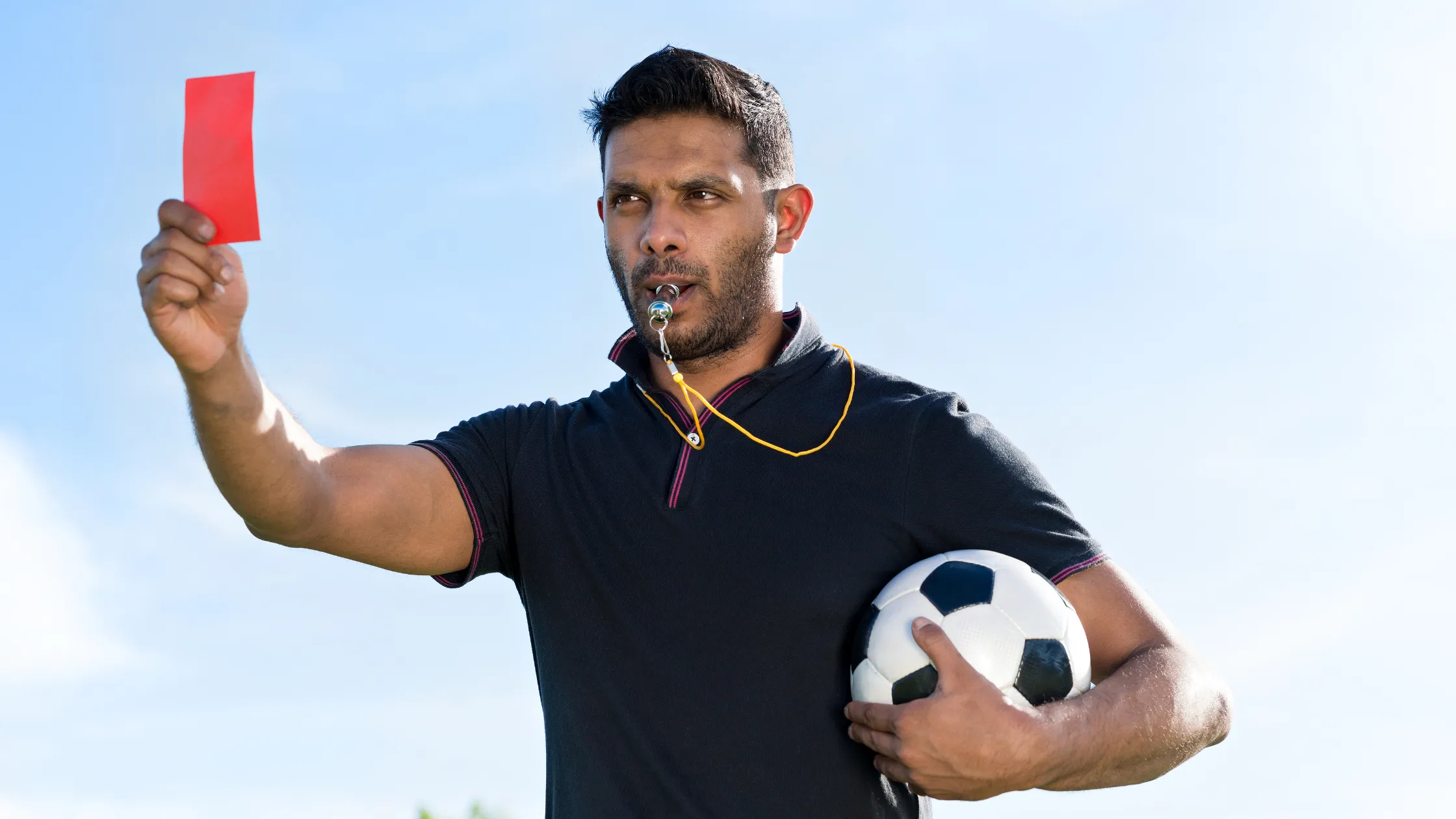
This text explores, in depth, the behind-the-scenes of this process, offering a clear and intelligent view of the factors that define who referees the most important matches.
With the growing professionalization of sport, refereeing has become a central part of maintaining fairness and quality in competitions.
It's not just about knowing the rules, but applying them under pressure, with thousands of watchful eyes and millions of viewers watching every decision.
Advertisements
Thus, sports federations, such as FIFA or UEFA in football, develop sophisticated methods to select the best professionals.
This article details the criteria, challenges, and nuances of this process, with practical examples, an illuminating analogy, relevant statistics, and answers to the most common questions.
1. Selection Criteria: Technical Competence and Physical Preparation
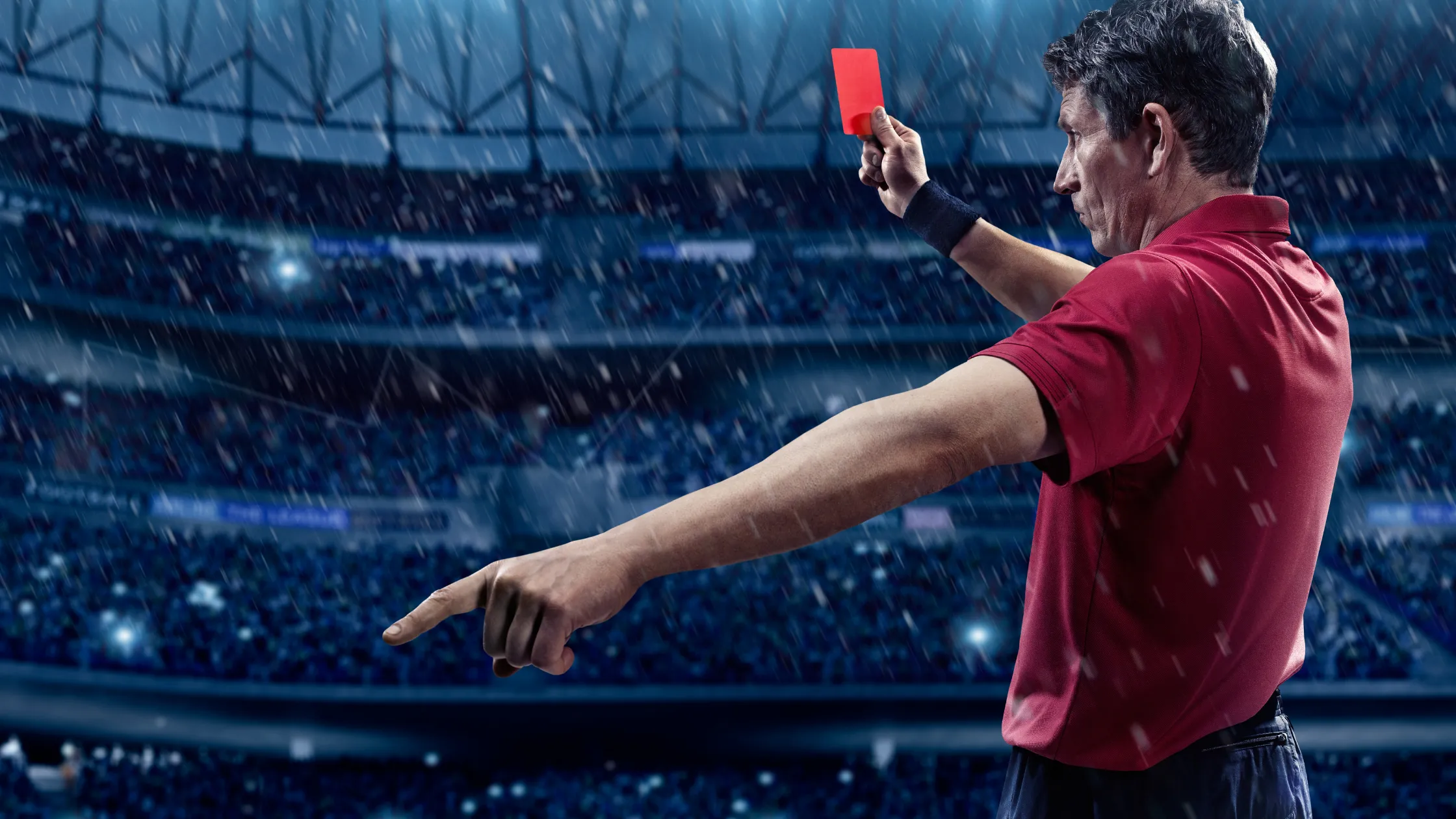
First, the selection of referees begins with a rigorous assessment of their technical skills.
Each referee undergoes an ongoing certification process, which includes theoretical tests on the rules of the game and video analysis to evaluate decisions in real-life situations.
++ Players Who Stood Out Without Playing for Big Clubs
For example, FIFA requires international referees to complete an annual refresher course, in which they are tested on complex scenarios, such as penalty kicks or pinpoint offside calls.
This preparation ensures that only the most qualified make it to the big games.
Furthermore, physical preparation is an essential pillar.
Referees have to keep up with the frenetic pace of matches, often running more than 10 kilometers per game.
To illustrate, imagine a referee as a conductor of an orchestra: he needs to be in perfect tune with the rhythm of the musicians (players), without ever losing time.
An emblematic case is that of Carlos Silva, a Brazilian referee who, in 2023, was selected for the Copa Libertadores final after demonstrating exceptional physical resistance in tests carried out by CONMEBOL, including 40-meter sprints in less than 6 seconds.
Finally, consistency in decisions is monitored through performance reports.
Federations use detailed metrics, such as the success rate on crucial plays, which, according to a 2022 UEFA study, reaches 92% among elite referees.
This data reflects the pressure for accuracy and the need to maintain an impeccable track record.
Thus, the combination of technical knowledge, physical preparation and consistent performance forms the basis for choosing referees for important matches.
Table:
| Criterion | Description | Test Example |
|---|---|---|
| Technical Knowledge | Mastery of rules and interpretation in complex situations | Theoretical tests and video analysis |
| Physical Preparation | Ability to keep up with the pace of the game | 40-meter sprints and endurance tests |
| Consistency | Success rate in crucial decisions | Performance reports with detailed metrics |
2. Psychological Assessment and Impartiality
Next, the mental capacity of the referees is an equally critical factor.
After all, how are referees chosen who are capable of handling the pressure of packed stadiums and decisions that can change the course of a championship?
The answer lies in rigorous psychological assessments that test emotional resilience and control under stress.
++ How to Be a More Conscious Fan: Tips for Enjoying Without Exaggeration
Referees undergo high-pressure simulations, such as sessions in which they are faced with simulated criticism from fans or players, to assess their ability to remain calm.
Furthermore, impartiality is a non-negotiable pillar.
Federations like FIFA implement systems to avoid conflicts of interest, such as prohibiting referees from officiating matches involving teams from their home countries.
A striking example is that of Maria Fernández, a Spanish referee who, in 2024, was chosen for the Women's Champions League final, but only after a detailed analysis of her neutrality towards the clubs involved.
This care reinforces the credibility of the process.
Finally, emotional intelligence is tested through group dynamics and interviews with sports psychologists.
These evaluations seek to identify referees who know how to manage conflicts on the field without escalating tensions.
The psychological pressure is so intense that, in some cases, experienced referees are overlooked for not demonstrating sufficient balance in decisive moments.
Thus, the referee's mind is as important as his physical or technical ability.
| Psychological Factor | Objective | Evaluation Method |
|---|---|---|
| Emotional Resilience | Keeping calm under pressure | High pressure simulations |
| Impartiality | Ensure neutral decisions | Analysis of conflicts of interest |
| Emotional Intelligence | Managing conflicts in the field | Interviews and group dynamics |
3. Technology and the Role of VAR in Selection
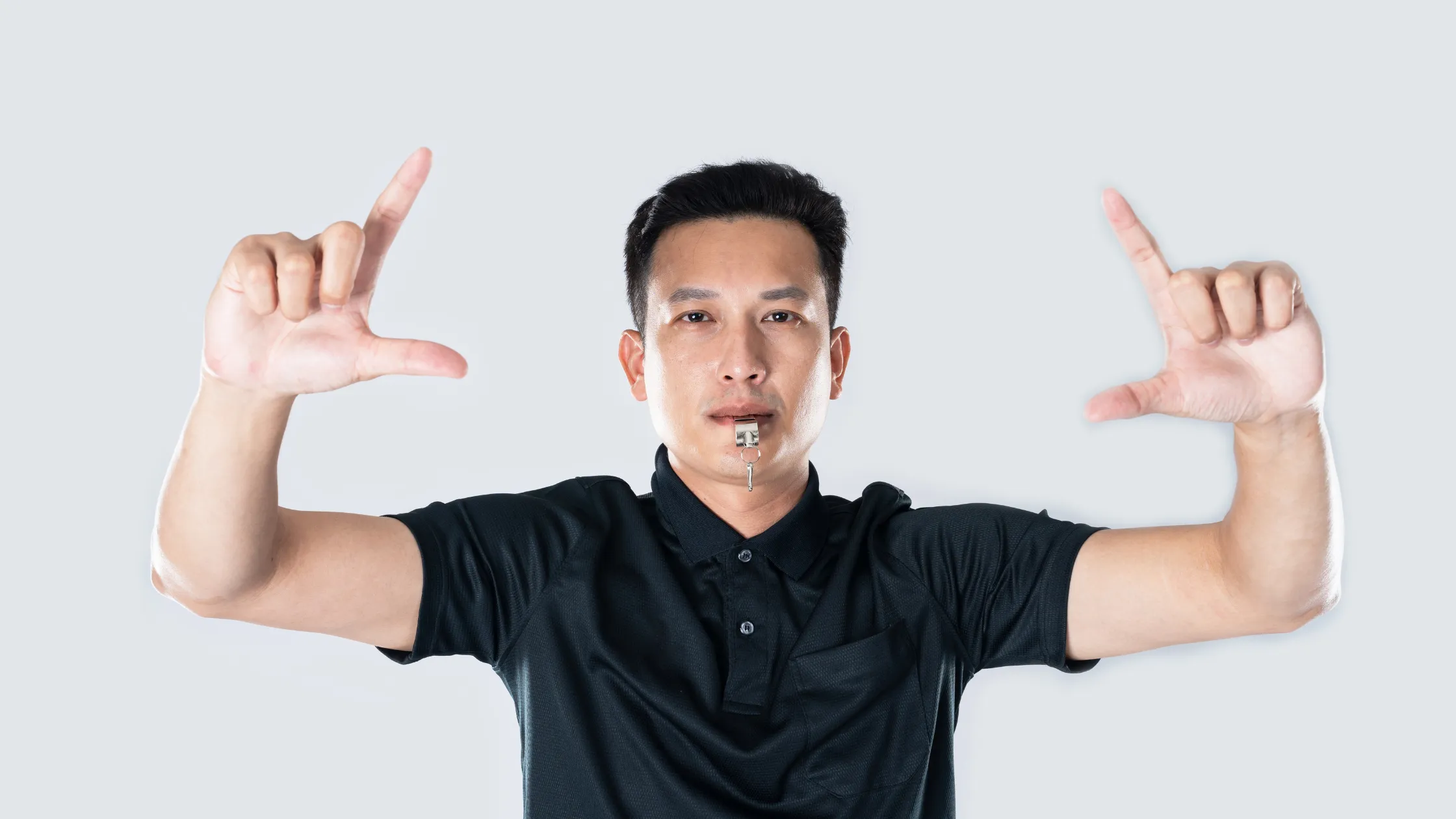
Today, technology plays a transformative role in the selection of referees.
The Video Assistant Referee (VAR), for example, requires referees to master digital tools and know how to interpret plays in real time with the help of replays.
Consequently, federations prioritize professionals with specific VAR training, which includes certification courses and practice in review booths.
This training is essential for important games, where the use of VAR is almost universal.
Furthermore, the data analysis generated by the VAR directly influences the selection.
Referees are evaluated based on their accuracy rate in decisions reviewed by VAR, which adds an extra layer of scrutiny.
A referee who consistently ignores or misinterprets reviews may be ruled out of high-level matches.
For example, in 2023, CONCACAF excluded a referee from a continental final after repeated errors in VAR reviews, highlighting the importance of this competence.
Finally, the technology also enables advanced simulations during training.
Referees use software that recreates complex plays in virtual environments, allowing them to practice decisions without the pressure of a real game.
++ What are the Biometric Vests Used in Modern Football?
This technological advancement not only improves the quality of decisions, but also helps identify the most suitable referees for the big stages.
Thus, the integration between technology and arbitration has become a game changer in selection.
| Technology | Function | Impact on Selection |
|---|---|---|
| VAR | Assistance in crucial decisions | Requires specific training and analysis of successes |
| Simulation Software | Training in complex bids | Identifies more prepared referees |
| Data Analysis | Performance evaluation | Prioritize consistency in reviews |
4. The Role of Federations and Arbitration Committees
Naturally, sports federations are responsible for coordinating the selection process.
Each organization, such as FIFA or the CBF, has a refereeing committee that oversees the selection of referees.
These committees bring together experts who analyze performance reports, game history, and feedback from players and coaches.
This collaborative process ensures that the choice is based on objective data, minimizing external influences.
Furthermore, transparency is a constant goal, although not always achieved.
Some federations publish reports detailing selection criteria, but others face criticism for a lack of clarity.
For example, in 2022, UEFA was praised for releasing the names of the referees selected for the European Championship in advance, explaining the reasons for each choice.
This practice strengthens confidence in the system and reduces speculation.
Finally, the committees also consider the international experience of the referees.
Professionals with a track record in global competitions, such as World Cups, have an advantage, as they have already demonstrated the ability to perform in diverse contexts.
Therefore, the work of federations is essential to balance meritocracy and transparency in the selection of referees.
| Committee Function | Objective | Practical Example |
|---|---|---|
| Performance Analysis | Evaluate history and reports | Review of accuracy metrics |
| Transparency | Ensure trust in the process | Publication of selection criteria |
| International Experience | Prioritize tested referees | Preference for World Cup veterans |
How are referees chosen: Frequently Asked Questions
| Question | Response |
|---|---|
| How are referees chosen for finals? | The selection process involves analyzing technical, physical and psychological performance, as well as VAR training and a history of impartiality. |
| Can referees officiate games in their countries? | No, federations prohibit this to ensure neutrality, except in exceptional cases with committee approval. |
| Does VAR influence the referees' choice? | Yes, referees with a high accuracy rate in VAR reviews are prioritized for important matches. |
| How long does it take for a referee to be selected for a final? | It depends on the career, but generally requires 5 to 10 years of high-level experience and international certifications. |
Conclusion: How are referees chosen?
In short, choosing referees for the most important matches is a multifaceted process, combining technique, physical preparation, psychological resilience and adaptation to technology.
Every stage, from theory tests to VAR assessments, is designed to ensure only the best make it to the top.
The analogy of the referee as a conductor highlights the need for balance and precision amid chaos, while examples like Carlos Silva and Maria Fernández show that meritocracy is still at the heart of the system.
However, the process is not without challenges.
The pressure for transparency and constant technological evolution require federations to adapt quickly.
Have you ever stopped to think about the weight a referee carries when deciding the fate of a match?
As refereeing advances, the future promises even greater precision, but the essence remains: choosing referees is, above all, about ensuring that the sport is fair and exciting.