
You sports and religious diversity They form a combination that high-performance sport has normalized in ways that few casual observers notice — rituals from different spiritual traditions have become part of the competitive daily lives of professional athletes in all disciplines.
Advertisements
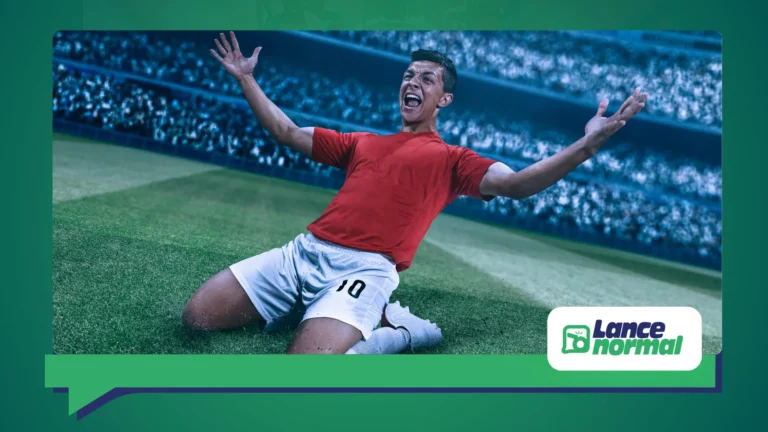
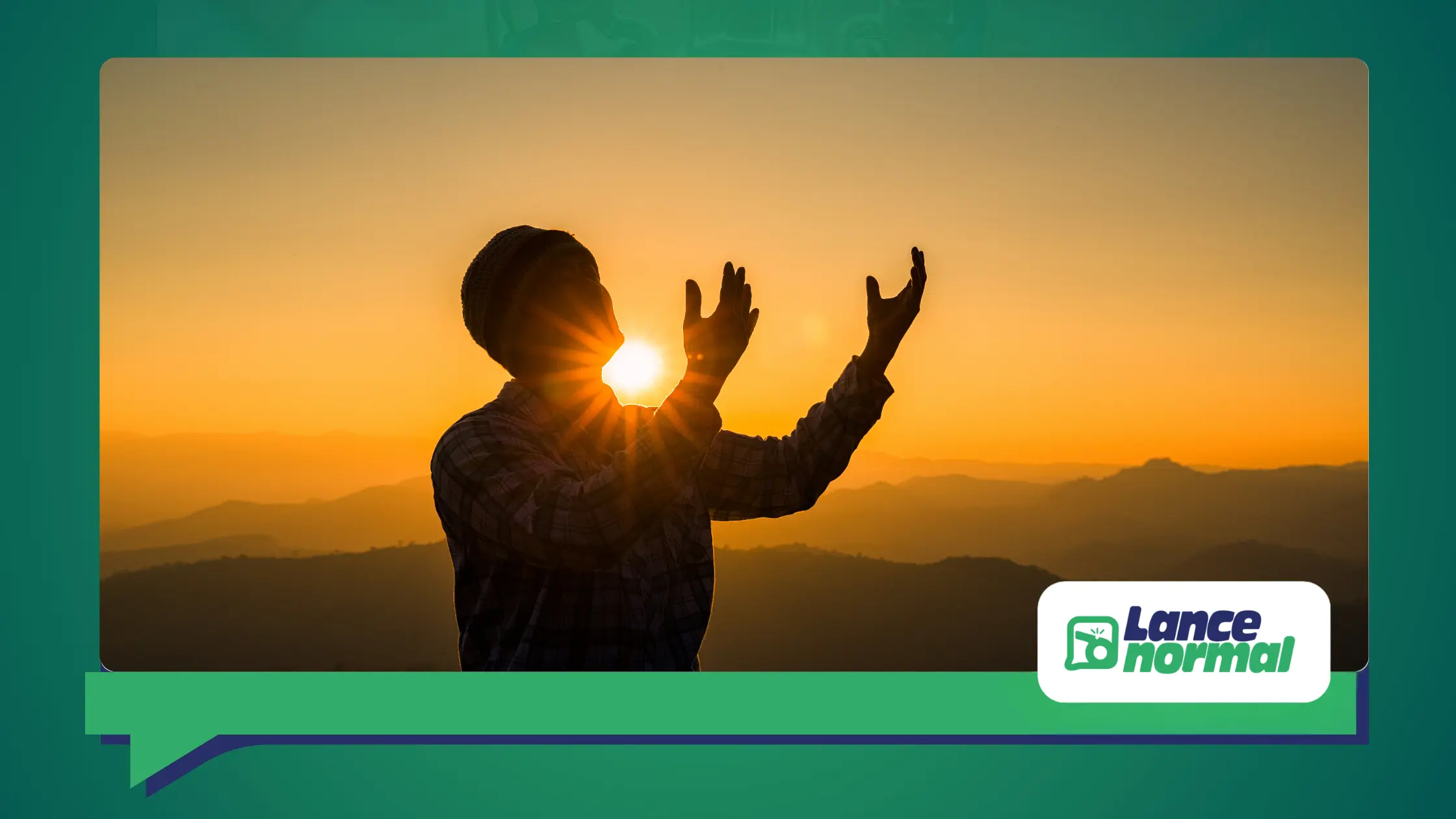
The gesture of pointing to the sky after a goal, the collective prayer before an NBA basketball game, and a fighter's moment of meditation before entering the octagon are expressions of a spiritual dimension that modern sport has learned to accommodate without ever formally debating how to do so.
The diversity of practices is remarkable — Evangelicals, Catholics, Muslims, practitioners of Candomblé and Umbanda, Buddhists, and athletes without formal religious affiliation but with individual spiritual practices share locker rooms, fields, and podiums with a coexistence that rarely produces explicit conflict.
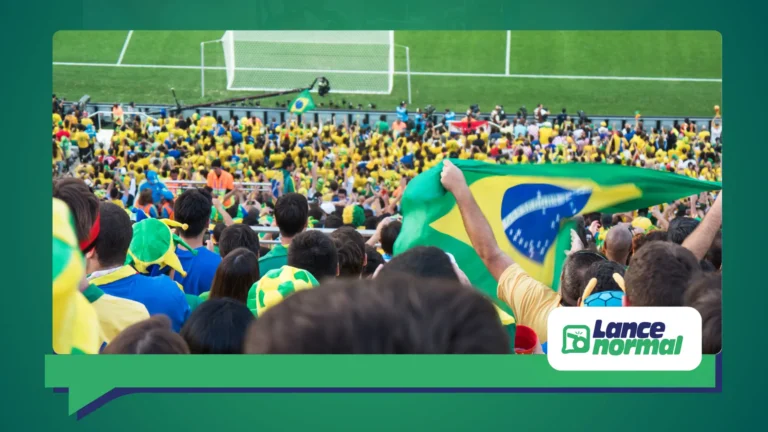
Brazilian football is the richest environment for this diversity — with athletes displaying scapulars, Candomblé anklets, and armbands with verses on the same field, in a mix that reflects the religious plurality of the society that the sport represents.
The institutionalization of this diversity — clubs building chapels in their training centers, NBA teams with formally hired chaplains, and federations creating policies for religious accommodation — confirms that the issue has moved beyond the individual sphere and become a matter of organizational management.
Advertisements
Understanding how religious rituals became routine in sports is to understand a dimension of athletic life that broadcasts show but rarely explain.
From the Individual to the Collective: How Rituals Become Institutionalized
The presence of religion in sports began as an individual practice of specific athletes and has transformed into a structural element of sports organizations that have learned to manage spiritual diversity as part of their operation.
The NBA's chaplaincy program — formalized in the 1980s and progressively expanded — is the most studied model of religious institutionalization in professional sports, with chaplains assigned to each franchise who offer spiritual support without exclusive denominational affiliation.
Advertisements
The NFL followed a similar model, with team chaplains leading volunteer prayers before games — a practice that has been the subject of legal dispute in the United States for straining the separation between religion and sports organizations that involve public funds.
Brazilian soccer clubs build chapels at their training centers as a standard infrastructure investment — Flamengo, Palmeiras, and Atlético Mineiro have formal religious spaces in their training centers, treated with the same normality as weight training gyms and video analysis rooms.
The collective pre-game prayer—which entire teams perform regardless of the individual religious diversity of each player—is perhaps the most universally adopted ritual, creating a moment of group cohesion that transcends the specific theology of each participant.
The management challenge that religious diversity poses to clubs and federations is real — ensuring that individual practices are respected without any specific tradition being institutionally privileged, in organizations that operate in countries with different legal frameworks regarding religion in the public sphere.
++ The Largest Investments in Training Center Infrastructure in Brazil
Brazilian Football and Spiritual Plurality
Brazilian football is the richest laboratory of religious diversity in global sport — bringing together in the same locker room athletes from traditions that in other social contexts rarely share space with such ease.
Evangelical athletes are now the majority in many major club rosters — with prayer circles after matches, public thanks to God in interviews, and Bible study groups at training centers that operate with the same regularity as physiotherapy sessions.
Athletes connected to Candomblé and Umbanda carry their traditions in ways that are less visible in broadcasts but equally present in their daily lives — anklets of a specific color, preparation rituals before games, and consultations with spiritual leaders are part of the routine of athletes who never describe them publicly with the same ease that evangelicals describe their practices.
Catholic athletes maintain practices that were dominant in Brazilian soccer in previous generations — the scapular of Our Lady, the priest's blessing before important matches, and processions to sanctuaries during moments of victory or difficulty.
| Tradition | Most common ritual | Visibility | Reference athletes |
|---|---|---|---|
| Evangelical | Collective prayer after the game | High | Several — declared majority |
| Catholic | Scapular and blessing | Moderate | Historical tradition |
| Candomblé/Umbanda | Ankle bracelets and private rituals | Low | Rarely stated publicly. |
| Islamic | Prostration and fasting during Ramadan | Growing | African and European players |
| No affiliation | Meditation and visualization | Variable | Growing trend among young athletes |
The coexistence of these traditions rarely produces explicit conflict — but it does generate implicit tensions that club leaders navigate with more difficulty than football broadcasts suggest when they show teams praying in circles as if they all shared the same faith.
Ramadan and the Challenges of Islamic Sport
Ramadan — the period of fasting from dawn to sunset that Muslims observe during a lunar month — represents the most complex religious accommodation challenge facing European professional sport, with a growing number of Muslim athletes competing in leagues where the calendar does not consider Islamic religious obligations.
Players like Paul Pogba, N'Golo Kanté, and Mohamed Salah have publicly observed Ramadan in European football—demonstrating that elite athletes can maintain competitive performance while fasting, although sports physiology research documents real impacts on energy metabolism during high-intensity efforts.
The adaptations that European clubs have developed for Muslim athletes during Ramadan include alternative meal times, adjustments to training periodization to concentrate intense efforts closer to the iftar period — the meal to break the fast at sunset — and flexibility in arrival times at the training center.
The Premier League and other European leagues do not adjust their competitive calendar based on Ramadan — a position that advocates for religious diversity criticize as implicitly favoring the Christian majority, while the leagues argue that the calendar is determined by multiple logistical factors that make adjustments unfeasible.
THE FIFA It has developed guidelines for religious accommodation in international competitions that include prayer breaks at specific times — an evolution that reflects the growing number of Muslim players in national teams participating in World Cups and continental competitions.
The debate over religious accommodation in European professional sport goes beyond Ramadan — involving issues such as uniforms that conflict with traditional head coverings, alcohol bans at team celebrations, and match dates on holy days of different traditions.
++ Religiosity in High Performance Sports: Rituals, Superstitions and Psychological Support
The Psychology of Sporting Rituals
Research into why religious and spiritual rituals persist in high-performance sports—where scientific rationality should, in theory, replace symbolic practices—reveals that the psychological benefits of rituals are real regardless of their theological validity.
Studies in sports psychology have documented that pre-performance rituals—regardless of their religious or secular content—reduce competitive anxiety, increase the sense of control over objectively uncertain situations, and improve concentration in the moments leading up to competition.
The mechanism does not require theological belief to function — athletes who develop secular training rituals show psychological benefits equivalent to those of athletes with formal religious practices, confirming that the effect is cognitive and not metaphysical.
The sense of belonging that collective prayers and rituals produce — the circle of holding hands, the choral prayer, the shared moment of silence — has a value of group cohesion that transcends the spiritual dimension and that teams who practice them describe as an element of collective identity.
THE American Psychological Association He published research confirming that pre-performance rituals measurably reduce competitive anxiety—a finding that explains why coaches who do not share their athletes' faith rarely interfere with religious practices they perceive as functional for the group.
The line between religious ritual and sporting superstition — always wearing the same socks, always entering the field with the right foot — is less clear than it seems, because both serve the same psychological function of creating a sense of control over contexts of high uncertainty.
++ How Sport Helps Combat Anxiety and Depression
Tensions and Accommodations in Modern Sport
Religious diversity in sports is not always harmonious—it produces real tensions that clubs, federations, and athletes navigate with varying degrees of skill and goodwill.
The post-game prayer that entire teams perform on the field places athletes without religious beliefs in a situation of implicit social pressure — the decision to participate or not in a ritual of the majority has social costs that would not exist if the ritual were individual instead of collective and public.
Conflicts between athletes from different backgrounds rarely become public in Brazilian soccer — but tension between growing evangelicalism and Afro-Brazilian traditions exists in locker rooms where the openly evangelical majority can create an environment implicitly hostile to practices they don't recognize as legitimate.
The use of sport as a platform for proselytizing — athletes using interviews and social media to preach their specific faith — is a boundary that federations rarely explicitly regulate, creating an environment where an athlete's religious freedom can conflict with the principle of religious neutrality that sports organizations seek to maintain.
The accommodation of religious diversity that sport has empirically developed — without formal politics, without philosophical debate, simply letting each person practice what they practice — is simultaneously its greatest virtue and its greatest limitation as a model of pluralistic coexistence.
Conclusion
The religious rituals that have become routine in sports reveal a dimension of athletic life that broadcasts only partially show — a spiritual plurality that coexists naturally because no actor in the system has had sufficient incentive to make the conflict explicit.
Brazilian football is the richest example of this coexistence — with religious traditions that rarely share space in other social contexts coexisting in locker rooms with a pragmatism that reflects the religious mix of Brazilian society more than any deliberate institutional policy.
Sports psychology confirms that the benefits of rituals are real regardless of their theological origin — which explains why rational coaches and pragmatic leaders rarely interfere with practices they perceive as functional for the group, even when they don't personally share them.
The tensions that religious diversity produces in sports are real, but they rarely escalate into explicit conflict—and this ability to coexist without resolving is both an admirable model of practical pluralism and an indication that important questions about religious accommodation and equity still await the debate that sports have not yet formally had.
FAQ
1. Why do religious rituals persist in high-performance sports? Because they produce real psychological benefits — reduced anxiety, increased sense of control, and strengthened group cohesion — that work independently of their theological validity, making them functional even in environments where scientific rationality dominates physical and technical preparation.
2. How does Ramadan affect professional Muslim athletes? Physiological research documents real impacts on energy metabolism during intense exertion while fasting. European clubs adapt training and meal schedules to minimize these impacts, although leagues do not adjust competitive calendars based on the Islamic religious period.
3. Is Brazilian football truly religiously diverse? Yes. Evangelical, Catholic, Candomblé, and Umbanda practitioners coexist in the same locker rooms naturally—although the growing evangelical majority in many teams creates implicit dynamics that can pressure athletes of other traditions to participate in collective rituals that are not their own.
4. Do sports federations have formal policies on religion? Most lack explicit policies—religious coexistence in sports has developed empirically, without formal debate. FIFA has developed accommodation guidelines for international competitions, and the NBA has a formalized chaplaincy program, but most organizations allow management to happen in a non-systematic way.
5. Are religious rituals and sporting superstitions the same thing? Psychologically, yes — both serve the same function of creating a sense of control over contexts of high uncertainty. The difference is theological and cultural, not functional: always using the same foot to enter the field and praying before a game activate equivalent cognitive mechanisms for reducing competitive anxiety.