
THE Libertadores 2026 Brazil arrived at the knockout stage carrying the pressure of a historic number: they have won the last seven consecutive editions of the tournament, and an eighth victory would place the country alone at the top of the ranking of champions, surpassing Argentina's 25 titles, which currently tie them with Brazilian hegemony.
Advertisements
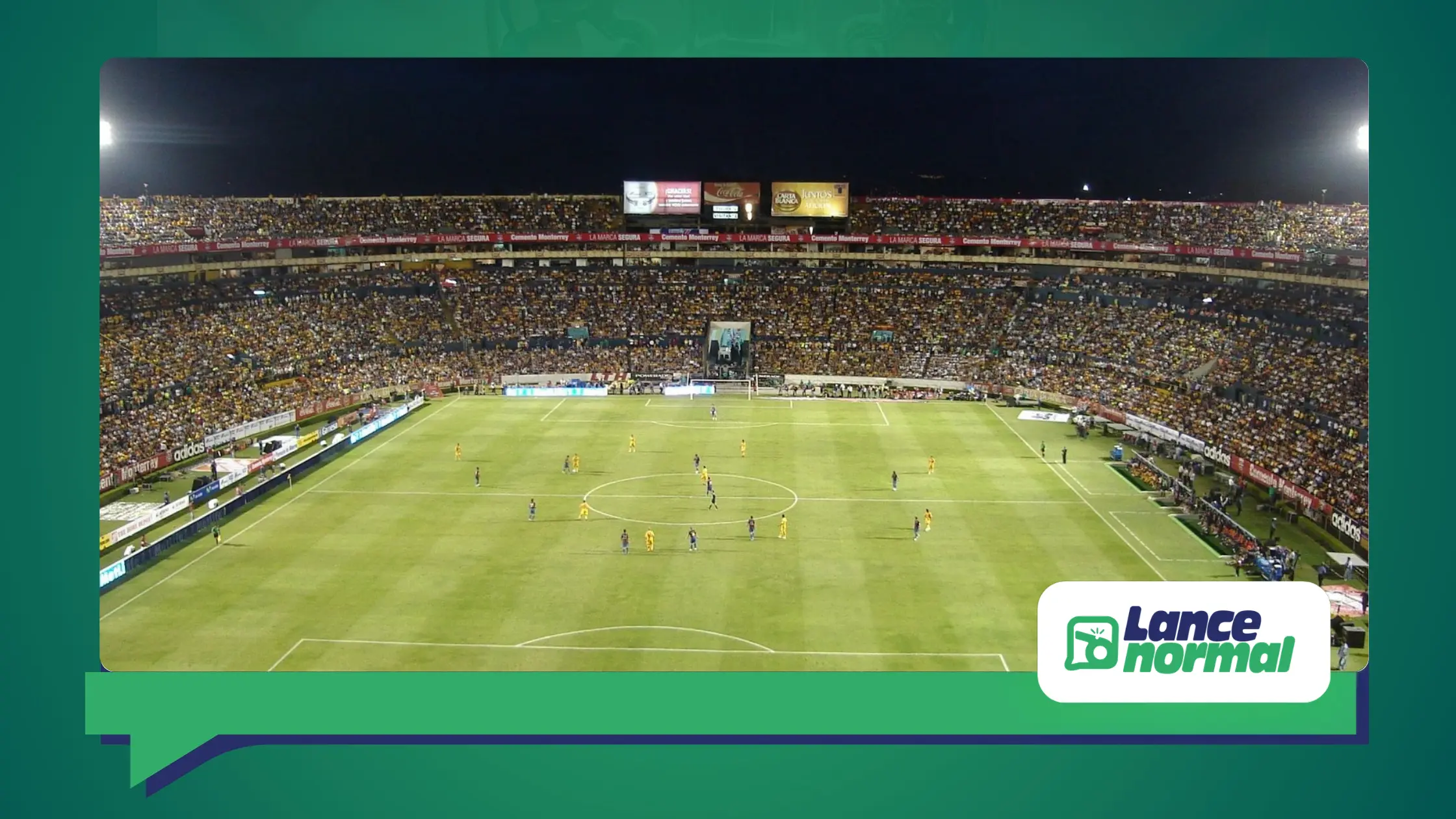
The final of the 67th edition is scheduled for November 28, 2026, at the Estadio Centenario in Montevideo — the same stadium that hosted the final of the first World Cup in history, in 1930 — with a record prize of US$25 million for the champion and a total accumulated value that could reach US$40 million by adding up phase by phase.
Flamengo finished the group stage with the best record in the tournament: 16 points and a goal difference of 12 in six rounds, guaranteeing the benefit of playing all knockout matches at home — a structural advantage that makes them the strongest favorite to end the club's drought, having won the title in 2019, 2022, and 2025.
Argentina, which hasn't won the competition since 2018 with River Plate and hasn't reached a final since Boca Juniors in 2023, entered the knockout stage with Independiente Rivadavia as a major positive surprise — 16 points in the group stage, equaling Flamengo in points, but with an inferior goal difference.
The 2026 tournament also has smaller stories that fascinate: Mirassol, from the interior of São Paulo state, makes its Libertadores debut after finishing the 2025 Brasileirão in fourth place, representing one of the most improbable narratives the competition has ever hosted.
Advertisements
Understanding who has a real chance of winning the title, who could be an underdog, and what makes this edition different from all previous ones is what this article aims to analyze.
Flamengo: The Strength of the Best Campaign and Home Advantage
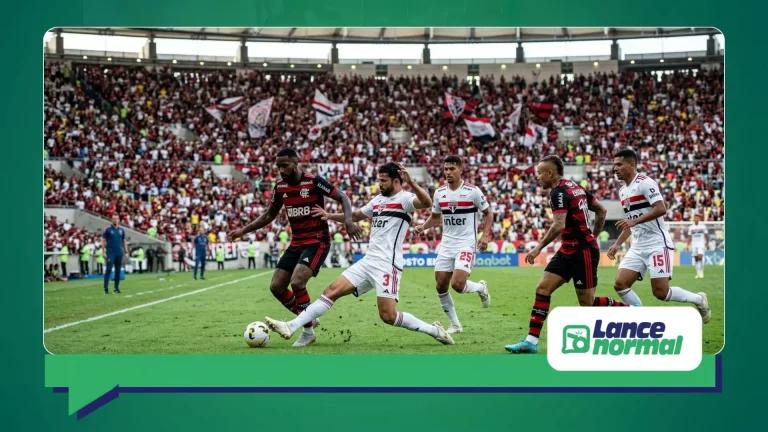
Flamengo entered the knockout stage of the 2026 Libertadores Cup with the most valuable structural advantage the tournament offers: the right to play all knockout matches at home in the Maracanã, a direct consequence of their superior group stage campaign with 16 points and a goal difference of 12.
This advantage is difficult to underestimate in the context of the Libertadores Cup, where a packed Maracanã often acts as the twelfth player that the Rio de Janeiro fans celebrate — and where the pressure from the stands has a documented history of reversing adverse results in the first away matches.
Advertisements
The club arrives at the knockout stage as three-time champion of the competition over a six-year period, with a squad built to compete on multiple fronts simultaneously and a coaching staff experienced in managing the pressure of being the favorite in each knockout round.
The sequence of seven consecutive Brazilian titles in the Libertadores Cup — a period that coincides with the implementation of the single-match final in 2019 — established a pattern of structural superiority that directly benefits Flamengo as the strongest representative of the country with the best organization in the tournament.
The risk for Flamengo is exactly what it always has been: the inconsistency that characterizes teams with large squads and multiple simultaneous competitions, which can lead to a bad night in a knockout game that doesn't allow for second chances.
++ Tennis: How the Post-Big Three Generation Is Reorganizing Itself
Independiente Rivadavia: The Great Argentine Zebra
The story of Independiente Rivadavia in the 2026 Copa Libertadores is one of the most improbable that South American football has produced in years: a club from Mendoza that had never participated in the competition, debuting with 16 points in the group stage — the same score as Flamengo — and reaching the knockout stage as the biggest positive surprise of the tournament.
The Argentine club's journey through the group stage included victories over opponents with much more history in the competition, building a collective identity based on defensive organization and quick transitions that drew comparisons to the projects of up-and-coming teams that occasionally go far in continental tournaments.
What makes Rivadavia particularly dangerous in the knockout stage is precisely what makes Flamengo such a favorite: the absence of pressure from expectations, the ability to play without the weight of the obligation to win, and the psychological freedom of those who have exceeded any reasonable projection even before the first knockout game.
The history of the Copa Libertadores has examples of teams without tradition that went far precisely because the knockout tournament favors cohesive and tactically well-organized teams over technically superior but unstable ones — and Rivadavia fits this profile perfectly.
| Team | Group Stage | Country | Status in the knockout stage |
|---|---|---|---|
| Flemish | 16 points, +12 GS | Brazil | Main favorite |
| Independiente Rivadavia | 16 points, lowest GS | Argentina | Biggest surprise |
| Central Rosary | 13 points | Argentina | Argentine contender |
| Independiente del Valle | 13 points | Ecuador | Regional tradition |
| LDU | 12 points | Ecuador | Potential zebra |
| Mirassol | 12 points | Brazil | Brazilian surprise |

The Other Brazilians and Hegemony at Stake
Brazil entered the 2026 Copa Libertadores with six representatives in the group stage — Flamengo, Fluminense, Cruzeiro, Corinthians, Palmeiras, and Mirassol — but Bahia and Botafogo were eliminated in the preliminary rounds, reducing the Brazilian contingent even before the main stage.
Palmeiras, two-time champion in 2020 and 2021, arrived at the knockout stage as the second most natural Brazilian favorite — with a recent history in the competition and a squad built to compete at high intensity throughout the season.
Fluminense, the 2023 champion, and Corinthians represent Brazilian alternatives with the quality to advance, but they lack the consistency of Flamengo and Palmeiras to be considered title favorites on the same level as the two clubs from Rio de Janeiro and São Paulo.
++ The Science of Fandom: Why the 12th Player Really Matters
Mirassol represents the most fascinating case of the Brazilian delegation: a club from the interior of São Paulo that had never competed in a Libertadores, reaching the knockout stage with 12 points in the group stage and a work structure that impressed analysts with the level of tactical organization demonstrated against opponents with much more continental experience.
THE CONMEBOL It has set a historic prize pool for 2026 — with US$25 million for the champion — which increases the appetite of all clubs and potentially the intensity of the knockout games, especially for smaller teams for whom the financial prize represents a transformative value for their sporting projects.
Rosario Central and the Argentine Dream of Ending the Fast
Argentina hasn't won the Copa Libertadores since 2018, when River Plate clinched the title in dramatic circumstances—the final was moved to Madrid after violent incidents in Buenos Aires—and the eight-year title drought is weighing increasingly heavily on the pride of the country which, along with Brazil, leads the all-time ranking of champions with 25 titles each.
Rosario Central reached the knockout stage with 13 points in the group stage and represents the most solid Argentine hope to end Brazilian dominance — a club with history in the competition, an experienced squad, and the added motivation of representing the country that has lost the most ground in recent years in the continent's main competition.
Boca Juniors, even without the same group stage as Rivadavia and Rosario Central, maintains its history as the Argentine club with the most Libertadores titles in history — six titles — and its tradition as a psychological reference point that weighs heavily on opponents who face them in a packed Bombonera stadium.
LDU of Ecuador, with 12 points in the group stage, and Independiente del Valle, with 13, represent Ecuador's recent tradition in the competition — the country has produced two of the most competitive clubs in the South American circuit in recent years — and arrive at the knockout stage as underdogs with a real capacity to eliminate favorites.
What Defines a Champion in the Modern Copa Libertadores
The 2026 Copa Libertadores is being played in a different format than previous editions in terms of calendar — the knockout stage takes place between August and November, after the World Cup, which means that clubs arrive at the decisive period in different physical states depending on how many players participated in the World Cup.
This calendar creates an unusual variable: teams with many players called up for national teams may arrive at the round of 16 with a depleted squad, while clubs with fewer national team representatives will have players with longer pre-seasons and less accumulated matches.
The guaranteed home field advantage for the team with the best record — a benefit that Flamengo earned — is the most important structural difference in the tournament's current format, because it transforms the Maracanã into a measurable competitive advantage in each knockout round, especially in the second leg matches where a draw is enough to advance.
Recent history in the competition shows that the champion is rarely the team with the biggest budget or the most star-studded squad — it's the team that reaches the knockout stage with the most tactical cohesion, the fewest injuries in key positions, and the ability to maintain the same level of intensity in matches played with short intervals between home and away legs.
Conclusion
The 2026 Copa Libertadores has a clear favorite in the form of Flamengo, an exceptional surprise in Independiente Rivadavia, and a historical context that makes each game more charged than in normal editions — the possibility of Brazil winning its eighth consecutive title or Argentina ending an eight-year drought that humiliates the country most associated with the competition outside of Brazil.
The final in Montevideo, scheduled for November 2026 at the Centenario stadium, promises to be the conclusion of a tournament that has already produced remarkable stories even before the knockout stage began — from Mirassol's debut to Rivadavia's historic campaign, and the pressure on the Brazilian giants to maintain a hegemony that is beginning to seem permanent to those who follow South American football.
South American football rarely follows the expected script, and the Libertadores is the tournament that most systematically turns predictions into surprises — making each qualifying round from August onwards an opportunity for history to be rewritten by any of the 16 qualified teams.
FAQ
1. Who is the favorite to win the 2026 Copa Libertadores? Flamengo is the main favorite, after finishing the group stage with the best record — 16 points and a goal difference of 12 — and securing the right to play all knockout stage matches at home in the Maracanã.
2. What is the biggest upset in the 2026 Copa Libertadores? Independiente Rivadavia, from Mendoza in Argentina, is the biggest surprise of the tournament. Making its debut in the competition, it finished the group stage with the same 16 points as Flamengo and reached the knockout stage without the weight of expectation that limits the favorites.
3. Can Brazil win its eighth consecutive Libertadores title? Yes, and it's the most likely scenario. Brazil has won the last seven editions — Flamengo (2019, 2022 and 2025), Palmeiras (2020 and 2021), Fluminense (2023) and Botafogo (2024) —, and has six representatives in the 2026 qualifying round.
4. When will the 2026 Copa Libertadores final take place? The final is scheduled for November 28, 2026, at the Estadio Centenario in Montevideo, Uruguay — the same stadium that hosted the final of the first World Cup in history in 1930.
5. What is the prize money for the 2026 Copa Libertadores? The champion will receive US$$ 25 million (approximately R$$ 129 million) for winning the final, with a total accumulated value that can reach US$$ 40 million when adding up all phases of the tournament from the group stage onwards.