
The influence of Generation Z on modern sports fans is already redefining broadcasts, digital consumption, collective behavior, and commercial strategies used by clubs, international leagues, global sponsors, and sports entertainment platforms permanently connected to social networks.
Advertisements
Young people born between the late nineties and the beginning of the last decade grew up following sports simultaneously through television, cell phones, short videos, interactive apps, and digital communities spread across different online platforms.
This behavior has profoundly altered the emotional relationship between fans and traditional teams, creating faster, less local connections that are much more influenced by personality, visual language, and shared experiences in real time.
European clubs, North American franchises, and esports organizations quickly realized that historical loyalty was no longer enough to win over new audiences who were extremely accustomed to fast-paced, personalized, and constantly updated content.
The transformation also impacts sponsors, sports journalists, commentators, digital influencers, and technology companies, who have begun competing for attention in a competitive environment dominated by short videos, constant interactivity, and accelerated visual communication.
Advertisements
Understanding this cultural shift helps to comprehend why modern sporting events have become multi-platform, highly connected experiences driven by continuous digital engagement, especially among young consumers with habits completely different from previous generations.
Digital behavior has changed our relationship with sports.
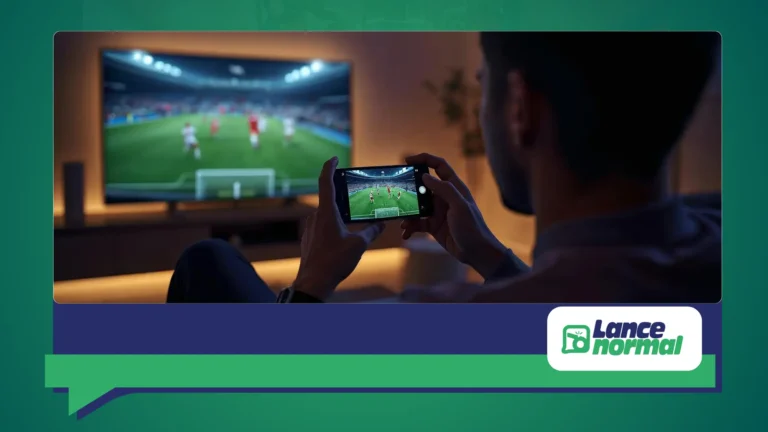
Generation Z follows games using multiple screens simultaneously, commenting on plays in real time while watching official broadcasts, independent videos, instant statistics, and reactions posted on social media.
This dynamic has reduced the importance of linear sports consumption, strengthening short formats capable of transforming specific moments into viral content that is quickly shared among different digital communities around the world.
Advertisements
Younger fans value the authenticity, behind-the-scenes aspects, and personality of the athletes, showing less interest in overly institutional speeches produced by traditional clubs that still use outdated communication strategies.
The growth of TikTok, Instagram Reels, and similar platforms has encouraged sports organizations to produce more spontaneous content, bringing players closer to the public through humor, viral challenges, and everyday interactions.
In the NBA, several athletes have achieved enormous cultural relevance precisely because they manage to transform their digital presence into a natural extension of their own sporting identity, both on and off the professional court.
This transformation shows that supporting a team today means constantly participating in digital conversations, creating extremely active communities that influence trends, television viewership, and even business decisions made by global sports organizations.
++ The return of the 3-5-2: why some coaches are reviving the formation.
Social networks have created new forms of belonging.
Modern fandom is no longer solely dependent on geographical proximity, allowing young Brazilians to follow English clubs, American franchises, and Asian competitions daily through globally accessible digital platforms.
According to studies published by the International Olympic Committee, sports consumption among young people has grown significantly in digital formats directly associated with social interaction and continuous viewer participation.
This shift has strengthened highly engaged international fan bases, especially in sports capable of producing fast-paced narratives, strong characters, and easily shareable content within highly connected contemporary digital ecosystems.
Today, many young people choose their favorite teams by observing the athletes' behavior, visual aesthetics, cultural stances, and online relevance, reducing the historical influence of family tradition present in previous generations.
The algorithmic logic of social media has also amplified digital sports rivalries, transforming memes, broadcast cuts, and instant debates into permanent tools for collective engagement among connected fans.
Furthermore, sports influencers have begun to occupy a significant space previously dominated exclusively by the traditional press, offering quick analyses, informal language, and greater connection with young digital audiences.
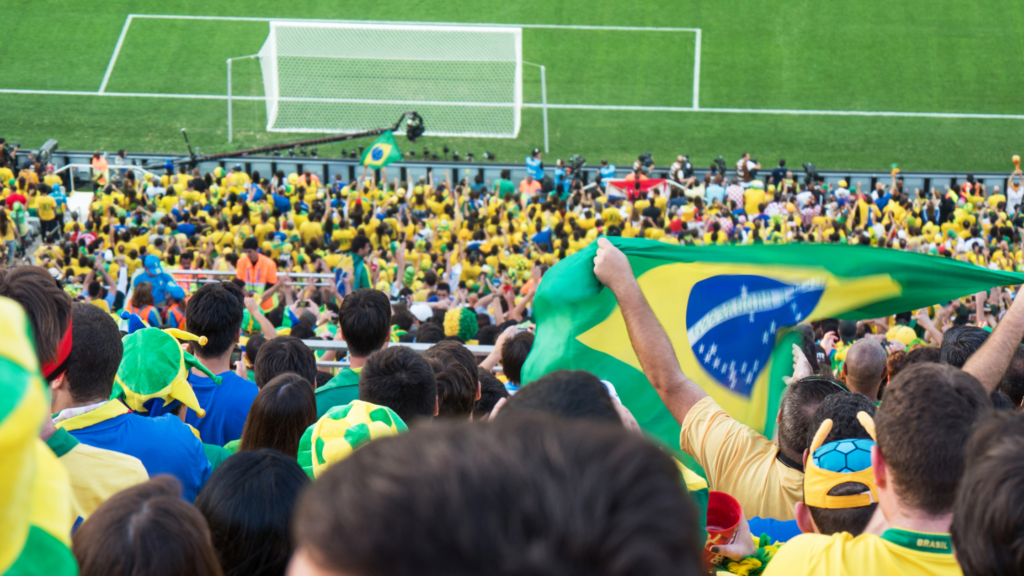
The stadium experience has undergone a cultural transformation.
Modern stadiums have begun to incorporate high-speed internet, advanced audiovisual production, and interactive experiences capable of meeting the digital expectations created by consumers accustomed to constant connectivity during major sporting events.
Many young people frequent sports arenas seeking entertainment, social experience, and the production of shareable digital content simultaneously, even altering architectural strategies used in new contemporary international projects.
Clubs quickly realized that Instagrammable spaces, technological activations, and immersive experiences significantly increase online engagement, strengthening the emotional connection between young fans and highly connected sports brands.
In the English Premier League, several teams have revamped internal environments to encourage constant digital sharing, a strategy detailed in analyses published by [source missing]. FIFA about innovation in contemporary sports entertainment.
| An element valued by Generation Z. | Impact on sports fans |
|---|---|
| Short and instant content | Increased digital engagement during games |
| Online interactivity | Constant participation in the communities |
| Athletes' personalities | Faster emotional connection |
| Modern visual experience | Frequent sharing on social networks |
| Multiplatform | Simultaneous consumption on different devices |
University sporting events in the United States also exemplify this trend, combining music, visual entertainment, digital influencers, and shareable experiences to maintain relevance with contemporary younger audiences.
++ Sports and sustainability: initiatives that make a difference.
Athletes have become global cultural brands.
The individual influence of athletes has never been greater than it is today, mainly because modern players are able to build their own audiences independent of the traditional structures controlled by clubs and sports broadcasters.
Cristiano Ronaldo, LeBron James, and Lewis Hamilton perfectly exemplify how a strategic digital presence expands global reach, enabling continuous emotional connections between athletes, young consumers, and highly active international sports communities.
For Generation Z, following sports also means following lifestyles, social stances, personal behind-the-scenes stories, and human narratives constantly shared through the most popular digital platforms on the planet.
This emphasis on personality has fostered authentic, spontaneous, and communicative athletes, capable of engaging directly with young audiences without relying exclusively on traditional interviews controlled by the conventional sports press.
At the same time, communication errors gained immediate impact, as controversial statements circulated rapidly among highly participatory, critical digital communities that were permanently connected to the global public sports debate.
The phenomenon has also strengthened previously less popular sports, as charismatic athletes are able to attract international audiences regardless of the historical or commercial size of their respective professional competitions.
++ Mexican soccer: why is Liga MX growing so much?
Streaming and short-form content have redefined broadcasts.
Traditional television has lost its exclusivity because young fans prefer flexible formats that offer mobility, simultaneous interaction, and quick access to key sporting events without needing to watch entire broadcasts.
Streaming services quickly recognized this behavioral shift, investing in cross-platform broadcasting, integrated statistics, instant cuts, and supplementary content specifically tailored to the contemporary digital habits of global youth.
Today, many fans follow important matches on their cell phones while simultaneously using social media, a behavior that directly influences the audiovisual language used by companies responsible for modern sports broadcasts.
Short videos have transformed specific plays into extremely valuable standalone products, allowing goals, dunks, dribbles, and celebrations to circulate rapidly among millions of users connected daily on digital platforms.
This logic has increased the importance of viral moments, encouraging sports organizations to produce content that can be immediately adapted for different social media platforms predominantly used by today's younger and more connected audience.
Consequently, narrators, commentators, and presenters had to adapt the language, pace, and format of their broadcasts to remain relevant to viewers accustomed to extremely dynamic and fast-paced communication.
Sports consumption has become more personalized.
Generation Z rarely consumes sports in a completely passive way, preferring personalized experiences that allow them to select content, follow specific athletes, and actively participate in digital discussions related to competitions.
Modern sports apps offer real-time statistics, multiple camera angles, and customized notifications, creating individual experiences that are very different from the collective model that prevailed in previous decades.
This personalization has favored sports niches previously limited by low television exposure, allowing for significant growth in women's sports, alternative sports, and regional competitions that were previously invisible to large international audiences.
Many young people simultaneously follow European football, American basketball, Formula 1, esports, and UFC, demonstrating fragmented yet extremely intense behavior within contemporary specialized digital communities.
Sports brands have also adapted advertising campaigns, using behavioral data to create specific communications targeted at the cultural, musical, and technological interests present among younger consumers today.
This scenario confirms that the future of sports entertainment will increasingly depend on the ability to personalize, provide continuous interactivity, and efficiently integrate different digital platforms used by modern fans.
The future of fan culture will be even more connected.
The next decade will likely consolidate hybrid sports experiences, combining physical presence, augmented reality, artificial intelligence, and permanent digital interactions during international sports broadcasts with large global audiences.
Major leagues are already investing in technologies capable of bringing remote fans closer to matches, creating interactive environments that reproduce collective emotions traditionally associated only with contemporary physical stadiums.
Generation Z is also demonstrating a growing interest in social causes, sustainability, and diversity, pressuring sports organizations to adopt more transparent public stances aligned with contemporary cultural demands.
This behavior influences sponsorships, institutional campaigns, and commercial choices made by global clubs, especially among brands interested in maintaining relevance with new generations of digital consumers.
Esports represents another important example of this transformation, as it was born directly connected to the digital dynamics valued by contemporary youth, including constant interaction and highly participatory global communities.
Given this scenario, sports organizations unable to understand the cultural changes driven by young people run an increasing risk of losing relevance, audience, and competitive edge within the contemporary global sports entertainment market.
Conclusion
The influence of Generation Z has profoundly transformed the way fans follow competitions, interact digitally, and build emotional connections with athletes, clubs, and different contemporary sports around the world.
The changes currently observed do not represent a passing trend, but rather a structural evolution driven by technology, constant connectivity, and new cultural habits developed by younger digital generations.
Clubs, leagues, broadcasters, and sponsors that quickly understand these transformations will have greater opportunities for sustainable growth, international relevance, and strengthening of their own contemporary digital sports communities.
Modern sport has become a multi-platform experience based on continuous participation, informational speed, and shared cultural identity—characteristics directly associated with the behavior of globally connected youth.
FAQ
1. Why does Generation Z have such a strong influence on modern sports?
Generation Z dominates global digital trends, influencing audiovisual consumption, broadcast language, the behavior of sports brands, and the interaction formats used daily by contemporary sports organizations.
2. Have social media changed the way we support our teams?
Digital platforms have transformed sports fandom into a permanent interactive experience, allowing for instant comments, the creation of original content, and active participation in highly connected international communities.
3. Has television lost its importance for young fans?
Television remains relevant, but it has lost its exclusivity in the face of the growth of streaming services, short videos, and digital platforms used simultaneously to follow modern sporting competitions.
4. Why do athletes have so much digital influence nowadays?
Athletes are able to build their own audiences on social media, creating a direct emotional connection with young fans who are also interested in lifestyle, cultural stances, and personal behind-the-scenes glimpses.
5. How can clubs better attract Generation Z?
Clubs need to invest in interactive digital experiences, authentic communication, fast-paced content, technological connectivity, and strategies capable of stimulating constant participation from contemporary online sports communities.