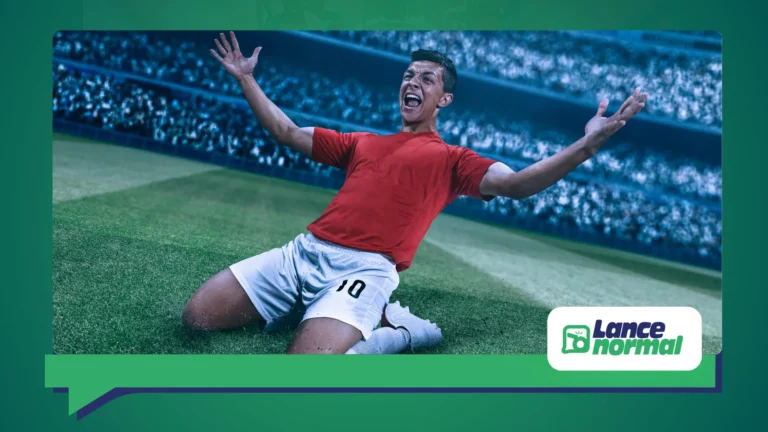

THE number 10 shirt culture in Brazilian football it transcends the simple use of a number on a player's back.
Advertisements
She carries a legacy of genius, creativity and responsibility, deeply rooted in the identity of sport in Brazil.
Even in a global scenario where football has become more tactical, physical and collective, the mystique of the number 10 remains alive, adapting to the transformations of the game without losing its essence.
But how does this culture, so associated with icons like Pelé, Zico and Ronaldinho, continue to pulsate on Brazilian pitches?
This text explores the survival of this tradition, its adaptations, challenges, and relevance, with arguments that connect past, present, and future.
Advertisements
Historical Roots of the Number 10 Shirt Culture

THE number 10 shirt culture was born in Brazil as a symbol of creative leadership.
Since the 1950s, the number 10 has been associated with players who set the pace of the game, combining refined technique, vision and boldness.
Pelé, the greatest exponent, transformed the number into a global icon, but others, like Rivellino and Zico, consolidated the idea that the number 10 was more than a player: he was the maestro, the brains of the team.
Advertisements
This figure often carried the hope of a nation passionate about football, where victory was not enough, it was necessary to win beautifully.
Interestingly, the mystique of the number 10 is not limited to trophies.
It reflects the Brazilian soul, marked by improvisation and resilience.
In a country of inequality, the number 10 often emerged from the outskirts, transforming adversity into dribbles and goals.
For example, imagine João, a boy from a Rio de Janeiro community in the 1970s, who, inspired by Zico, trained with a makeshift ball made from socks.
He didn't just dream of being a player, but of being the number 10, the one who would make the difference.
This narrative, repeated in thousands of real stories, shows how the number transcended sport and became a cultural symbol.
Furthermore, the number 10 shirt culture resisted because it adapted to the changes in football.
In the 1980s, while the European game valued physical strength, Brazil insisted on its maestros, with players like Sócrates, who combined technical genius with social engagement.
++ What Is a “Modern Midfielder” and How Has It Changed the Midfield?
Today, although football is more tactical, the essence of the number 10 survives in players who, even in rigid systems, find space to create.
The question is: does the modernization of sport threaten to extinguish this creative flame, or will it simply transform?
| Icon | Period | Contribution to the Culture of Camisa 10 |
|---|---|---|
| Skin | 1950-1970 | Elevated the number 10 to a global symbol of genius and leadership |
| Zico | 1970-1980 | He established the number 10 as the creative heart of Flamengo. |
| Ronaldinho Gaucho | 1990-2000 | He rescued joy and improvisation in times of tactical football |
The Evolution of the Number 10 in Modern Football
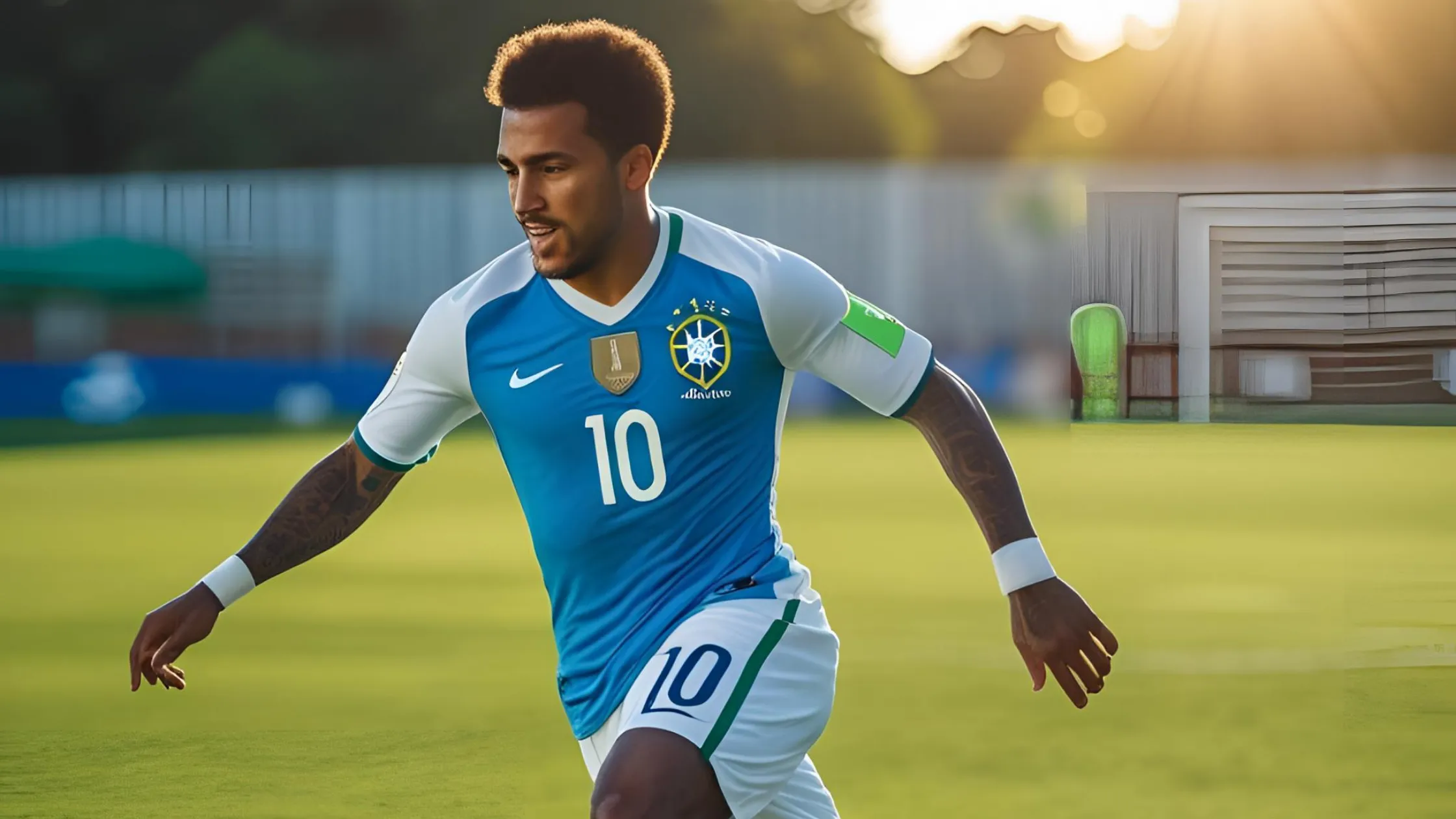
Currently, Brazilian football faces the challenge of balancing number 10 shirt culture with the demands of the modern game.
Globalization has brought rigid tactical schemes, where creative freedom often gives way to collective discipline.
However, the essence of the number 10 was not erased; it reinvented itself.
++ Players Who Stood Out Without Playing for Big Clubs
Players like Neymar and, more recently, youngsters like Stephen show that Brazil still produces talents capable of carrying the weight of number 10, even in a context of high pressure and statistical analysis.
For example, consider Lucas, a fictional midfielder from a club in the interior of São Paulo.
Not only does he control the ball with precision, but he also uses social media to engage fans, showcasing dribbles and plays that echo the magic of Ronaldinho.
Lucas represents the new generation of number 10s, who combine skill with digital charisma, maintaining an emotional connection with the fans.
++ How Performance Bonuses Work in Player Contracts
This adaptation proves that the number 10 culture is not static; it evolves, embracing new contexts without losing its essence.
Statistics reinforce this vitality.
According to a 2024 CBF study, 68% of Brazilian fans still associate the number 10 with creative players, even in teams that adopt defensive tactical schemes.
This perception shows that, despite the changes, fans value individual genius.
Thus, the number 10 shirt culture survives because Brazil, culturally, resists the idea of football without art, where pragmatism reigns supreme.
| Modern Player | Club/National Team | Characteristics of the Shirt 10 |
|---|---|---|
| Neymar | Santos/National Team | Dribbling, game vision and media leadership |
| Lucas Paquetá | West Ham/National Team | Tactical versatility with creativity in confined spaces |
| Stephen | Chelsea/National Team | Young promise with boldness and leadership potential |
Challenges and Threats to the Shirt 10 Culture
Despite its resilience, the number 10 shirt culture faces significant obstacles.
The first is the early export of talent.
Promising players, often as young as 16 or 17, are transferred to European clubs, where the pressure for immediate results can stifle their creativity.
This migration, although financially beneficial, often prevents these young people from developing the identity of a Brazilian number 10, shaped by the connection with the fans and the freedom on the field.
Furthermore, another challenge is the tactical standardization imposed by global football.
Coaches, even in Brazil, adopt systems like 4-2-3-1, which prioritize defensive midfielders and attacking full-backs, reducing the space for the classic number 10.
However, the culture persists because clubs like Flamengo and Palmeiras still invest in players who defy this logic.
One example is attacking midfielder Gabriel, created to illustrate this resilience: having come up through the youth ranks of a northeastern club, he stands out for his ability to create plays in tight spaces, defying his coach's tactical rigidity.
THE number 10 shirt culture It is like a centuries-old tree: its roots are deep, but the winds of modernization test its resistance.
Even so, it adapts, finding new branches to grow.
Training clubs, such as Santos, which produced Pelé and Neymar, continue to be hotbeds of creative talent, while the fans, with their passion, demand that Brazilian football not give up its identity.
The question is: can we protect this legacy in a world that values results more than art?
| Challenge | Impact | Proposed Solution |
|---|---|---|
| Early export of talent | Limits the development of the number 10's identity | Investing in base categories and local retention |
| Tactical standardization | Reduces creative freedom | Promote coaches who value creativity |
| Pressure for immediate results | Inhibits boldness in the game | Fan education on development |
The Future of Shirt 10 Culture
Looking to the future, the number 10 shirt culture seems destined to reinvent itself, but not to disappear.
Technology, such as data analysis, can be an ally, identifying young talent with the potential to lead teams.
Furthermore, globalization allows Brazilian players to bring the essence of the number 10 to the world, like Vinícius Jr., who combines disconcerting dribbling with tactical responsibility at Real Madrid.
This balance suggests that culture can adapt without losing its soul.
The fans also play a crucial role.
In Brazil, football is more than a sport; it is a cultural expression.
The passion of fans, who fill stadiums and cheer on spectacular plays, ensures that the demand for number 10 shirts never ceases.
So, as long as there are fans singing in the stands, there will be room for players who embody the art of Brazilian football.
THE number 10 shirt culture It's not just about the present; it's a legacy that is renewed with each generation.
Finally, education at the grassroots level will be crucial.
Clubs that encourage creativity, rather than just tactical obedience, will produce the next number 10s.
Imagine a future where technology and tradition come together, allowing a young man from a small town to use digital tools to learn from Garrincha's dribbling skills while developing his own identity.
This is the way to maintain the number 10 shirt culture alive, vibrant and relevant.
| Trend | Impact on Shirt 10 | Practical Example |
|---|---|---|
| Data analysis | Early identification of creative talents | Using AI to map players in youth categories |
| Globalization of football | Expansion of the number 10's influence | Vinicius Jr. at Real Madrid |
| Digital engagement | Direct connection with fans | Players using social media to showcase plays |
Frequently Asked Questions
| Question | Response |
|---|---|
| Is the number 10 shirt culture dying? | No, it is adapting to modern football, with players like Neymar and Endrick maintaining the creative essence. |
| Why is the number 10 so important? | The number 10 symbolizes leadership, creativity and the emotional connection with the fans, consolidated by icons like Pelé. |
| How can clubs preserve this culture? | Investing in youth teams, promoting coaches who value art and encouraging tactical freedom. |
| Does globalization threaten the number 10? | It may limit local development, but it also allows Brazilian culture to influence world football. |
Conclusion
THE number 10 shirt culture remains a pillar of Brazilian football, resisting the transformations of the sport due to its ability to reinvent itself.
From its historic roots with Pelé to current prospects like Endrick, it represents the essence of creativity and passion that define Brazil.
Despite challenges such as exporting talent and standardizing tactics, fans and clubs continue to nurture this legacy.
Thus, the number 10 jersey is not just a number; it is a symbol of identity that will continue to inspire generations, on and off the pitch.