

The padel boom has transformed the sport into a rapidly growing global phenomenon, driving multi-million dollar investments, new modern arenas, and a cultural expansion that transcends sporting, social, and economic boundaries across different continents.
Advertisements
In recent years, Brazilian clubs have begun competing for commercial space to build indoor courts, expand sports programs, and attract audiences interested in dynamic sports that combine competition, leisure, socialization, and accessible physical conditioning.
The international explosion of padel has also sparked interest from major sports sponsors, equipment manufacturers, retired football players, and real estate investors focused on the premium sports experiences and urban entertainment market.
Although it initially grew among specific audiences in Argentina and Spain, the sport gained global relevance thanks to social media, digital broadcasts, and the growing influence of international celebrities connected to the sports world.
In Brazil, medium-sized cities have rapidly begun opening specialized centers, while traditional gyms have adapted their spaces to meet a growing demand for less bureaucratic, more social, and highly shareable options on digital platforms.
Advertisements
This article analyzes how padel achieved international prominence in 2026, what factors underpin this accelerated growth, and what economic, cultural, and sporting impacts are already appearing in Brazil and other relevant markets.
The global expansion of padel is accelerating.
The growth of padel has surprised even sports industry experts, especially because the sport has managed to combine entertainment, technical accessibility, and a strong ability to retain players among both beginners and experienced practitioners.
In Europe, countries like Spain, Italy, and Sweden have consolidated professional competitive leagues, expanding sports sponsorships and creating international circuits that have boosted tourism, sports media, and new urban business models.
Advertisements
International popularity also occurred thanks to the social environment created by the matches, since the doubles format favors constant interaction and reduces common barriers present in traditionally more individualistic sports.
In the Middle East, entrepreneurs linked to sports entertainment have financed luxurious arenas and global events, using padel as a strategic tool to diversify sports investments beyond football and traditional motor racing.
The combination of quick matches, relatively simple learning curve, and a strong digital presence has helped the sport attract young audiences interested in less formal competitive activities that are more connected to contemporary urban life.
Experts note that padel currently occupies a position similar to the growth experienced by beach tennis years ago, but with significantly greater international financial reach and even broader commercial prospects.
++ Modern handball: why Brazil can return to the world's top.
The growth of padel in Brazil in 2026
In Brazil, the sport initially gained popularity in the South and Southeast regions, but quickly spread to northeastern capitals and inland cities interested in expanding their recreational and competitive sporting options.
Traditional clubs have begun to see padel as a strategic business opportunity, especially because the courts require relatively compact spaces and offer a high daily turnover of players during different business hours.
Data released by International Padel Federation They show significant growth in the global number of practitioners, reinforcing how emerging markets have come to directly influence the competitive development of the sport.
In smaller Brazilian cities, entrepreneurs connected to the fitness sector have realized that padel attracts diverse audiences, including former tennis players, sedentary beginners, and consumers interested in sophisticated and modern social experiences.
The constant presence of digital influencers practicing the sport has increased its national popularity, especially among young adults who value sports associated with a healthy lifestyle and frequent in-person networking.
While other sports face structural challenges to urban expansion, padel has leveraged its operational flexibility to grow rapidly within residential complexes, private clubs, and modern multi-functional sports centers.
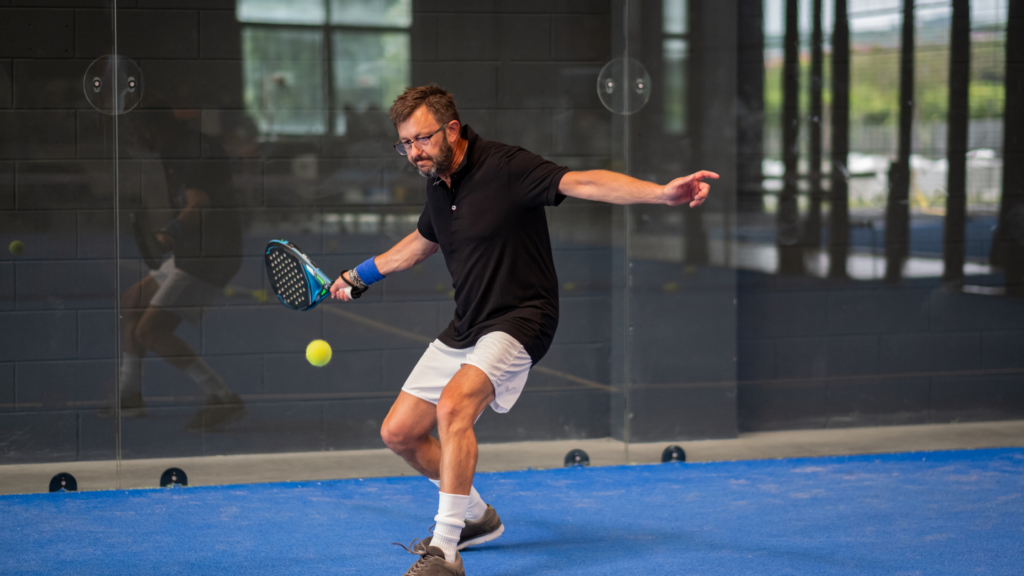
Celebrities, social media, and cultural influence.
International celebrities have played a decisive role in the global popularization of padel, especially retired soccer players, Latin American artists, and digital influencers who are frequently seen practicing the sport in exclusive settings.
In Brazil, former professional athletes have started sharing recreational matches on social media, creating an immediate connection with followers interested in modern, visually appealing, and socially valued sports.
The visual dynamics of padel lend themselves well to short content for digital platforms, as the points feature quick exchanges, intense movement, and moments that are easily shareable in short videos, which are extremely popular today.
Research published by International Padel Federation They highlight how the growth of digital broadcasts has significantly expanded the international reach of the sport among audiences previously disconnected from it.
Beyond its digital exposure, padel has also gained cultural relevance because it offers highly social environments, where players often stay at the clubs after matches, participating in gastronomic gatherings and corporate events.
This community aspect differentiates the sport from more traditional modalities, strengthening a sporting culture based on coexistence, social belonging, and collective experiences associated with contemporary urban leisure.
++ Beach volleyball: Brazilian pairs that could dominate the circuit.
The economic impact generated by the new sports courts.
The rise of padel has brought about significant changes in the Brazilian sports market, particularly among entrepreneurs interested in sports franchises, premium court rentals, and experiences geared towards recurring leisure consumption.
Construction companies began including sports courts in modern residential developments, realizing that the sport had become a significant competitive advantage for condominiums targeting urban middle classes and young consumers.
The equipment market also showed significant growth, boosting sales of rackets, specialized footwear, technical clothing, and customized accessories developed exclusively for frequent practitioners of the sport.
The table below presents factors that help explain the accelerated growth of padel in different international sports markets over the last few years.
| Factor | Impact on growth |
|---|---|
| Fast learning | It makes it easier for beginners to get started. |
| Strong social appeal | Increases player frequency |
| Engaging digital content | Expands popularity online |
| Compact courts | Reduces structural costs. |
| Business investment | Expand specialized clubs |
Sports economists note that padel also drives significant indirect economic activity, including regional tourism, food services, accommodation, and corporate events associated with the professional and recreational championships that are held regularly.
With the rapid growth of private arenas, Brazilian cities have begun to see sports as an opportunity to expand tourism activities and strengthen local economies linked to contemporary sports entertainment.
++ How to train for mid-range shooting
The profile of new practitioners of the sport.
The audience interested in padel has become extremely diverse, ranging from beginner teenagers to mature professionals looking for competitive activities that are less physically demanding and more integrated into social interaction.
Many practitioners report that they started in the sport after frustrating experiences in traditional gyms, seeking more dynamic and fun activities capable of generating frequent social connections within the fast-paced urban routine.
Former tennis players have also started switching to padel due to the lower initial technical requirements, allowing for balanced matches even between players with very different physical levels and sporting experiences.
Another important factor involves the short average duration of recreational games, a characteristic valued by professionals who have busy schedules, little free time, and a preference for objective and socially engaging sporting activities.
In Brazilian cities, specialized clubs have started offering themed events, internal rankings, and corporate gatherings to retain players interested in transforming the sport into a professional networking tool.
This hybrid profile, encompassing sport, leisure, and networking, has helped padel build its own identity, quite different from sports traditionally associated solely with high-performance competitive athletics.
The international influence of Spain and Argentina.
The modern history of padel is directly linked to Argentina and Spain, countries that transformed the sport into a cultural phenomenon even before the global growth currently observed across various continents.
In Argentina, the sport has established a strong popular identity over decades, being widely practiced in urban clubs, family settings, and sports centers frequented by different generations of recreational and professional players.
Spain has professionalized the international market more intensely, structuring organized circuits, specialized broadcasts, and an extremely efficient business model focused on the global expansion of this contemporary sport.
Great Spanish athletes have helped transform padel into an internationally desirable product, expanding commercial agreements, advertising contracts, and investments linked to sports tourism and specialized digital broadcasts.
In Brazil, entrepreneurs frequently use Spanish models as an operational benchmark for the construction of modern arenas, the organization of local tournaments, and the sustainable commercial development of new private sports facilities.
This Hispanic cultural influence continues to be crucial for the global growth of the sport, especially because it provides fundamental technical, commercial, and competitive benchmarks for markets still in the early stages of consolidation.
The future of padel and its upcoming challenges.
Although global growth is evident, experts warn that padel will need to address significant structural challenges related to professionalization, financial sustainability, and adequate training of specialized coaches on a large scale.
The risk of rapid expansion without consistent planning worries experienced entrepreneurs, especially since sports markets often face abrupt downturns when there is oversupply without corresponding sustainable demand.
Another significant challenge involves democratizing access to the sport, preventing it from remaining excessively associated only with economically privileged audiences found in private clubs and high-end urban condominiums.
Sports organizations are also discussing strategies to expand youth programs, strengthen women's competitions, and develop social projects capable of integrating padel into accessible public spaces and community sports schools.
Despite these obstacles, investors continue to demonstrate confidence in the sport's international potential, mainly because it maintains consistent growth simultaneously in relevant European, Latin American, and Asian markets.
If it manages to balance commercial expansion, social inclusion, and competitive strengthening, padel could definitively consolidate its position among the most influential and economically relevant sports of the next international decade.
The international rise of padel represents a significant transformation within the contemporary sports market, combining entertainment, social experience, and commercial opportunities at a speed rarely seen recently.
In Brazil, this type of sport has found a favorable environment for expansion thanks to the growing interest in modern urban sports, accessible recreational models, and collective experiences connected to the contemporary lifestyle of large cities.
The strengthening of international leagues, digital broadcasts, and corporate investments indicates that the sport still has ample room for sustainable growth in the coming years in various strategic global regions.
The padel boom will continue to influence sports markets, cultural habits, and entertainment models, especially as long as it manages to maintain its balance between intense competition, social interaction, and practical accessibility for new players.
FAQ
1. Is padel similar to tennis?
Padel shares elements with tennis, but uses smaller courts enclosed in glass, favoring faster, more social matches that are also technically accessible for beginners of different age groups.
2. Why did padel grow so much in 2026?
The growth was driven by a strong digital presence, celebrity influence, initial ease of learning, and the international expansion of specialized clubs focused on modern and socially engaging sporting experiences.
3. Does padel require a high level of physical fitness?
Although it features significant competitive intensity, the sport allows for gradual adaptation, attracting diverse audiences interested in dynamic physical activity without the extreme demands common in traditional high-impact sports.
4. Is padel expensive for beginners in Brazil?
Costs vary depending on the region and available facilities, but many Brazilian clubs offer shared rentals, group classes, and affordable basic equipment for newcomers interested in the sport.
5. Could padel become an Olympic sport in the future?
Experts believe this is possible due to accelerated international growth, the increase in the number of national federations, and the strengthening of globally organized professional competitions in recent years.