

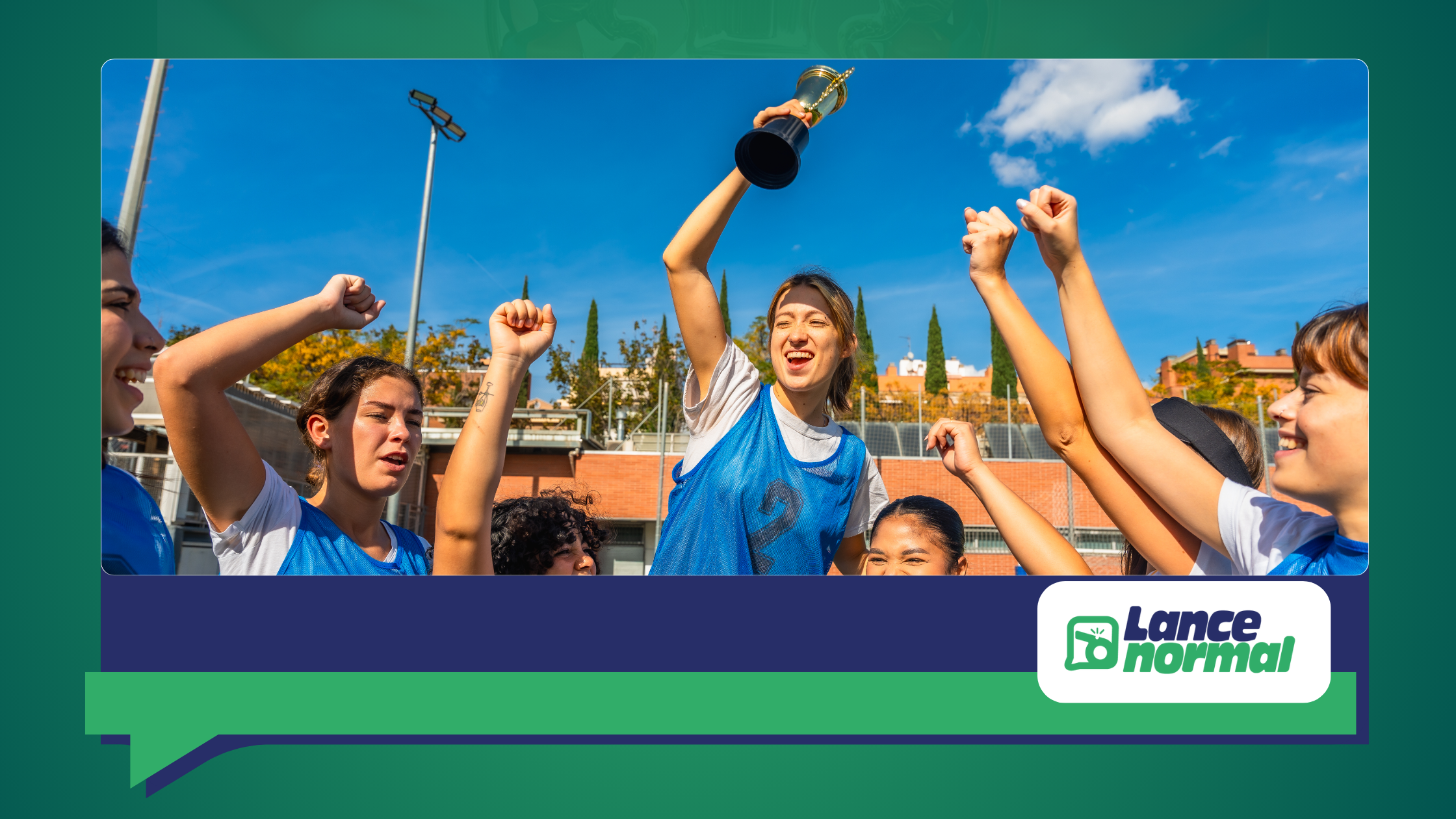
You Behind the scenes of a championship team. They reveal the silent dynamics that underpin victories celebrated before enthusiastic crowds in competitions marked by enormous emotional and technical pressure.
Advertisements
Each winning team builds its internal identity through consistent methods that shape collective behaviors and strengthen a sense of shared responsibility.
The work environment is designed so that everyone understands exactly their roles while developing mutual trust capable of withstanding the most tense moments of the season.
These internal structures become the foundation that supports athletes and coaches on challenging journeys filled with risky decisions that demand strategic precision.
Observing the workings of these behind-the-scenes processes allows us to understand how invisible habits create winning cultures deeply rooted in discipline and meticulous preparation.
Advertisements
The construction of this hidden universe reveals how emotional, behavioral, and organizational factors connect daily to transform individual performance into lasting collective achievements.
The emotional engineering of a winning group.
The emotional stability of a championship team stems from structured internal conversations designed to create authentic bonds that help athletes confront silent crises often ignored by the public.
Technical leaders invest time in understanding individual triggers while promoting dynamics that encourage active listening, reducing noise that weakens decisions made in scenarios of strong competitive pressure.
Advertisements
Coaches and psychologists work together to balance emotional load and performance, offering constant support that strengthens the self-confidence needed to sustain consistent performance.
Stories of overcoming adversity are frequently shared within the group, allowing each athlete to realize that vulnerability does not compromise strength, but rather strengthens the collective capacity for overcoming challenges.
The trust built in these environments arises from daily rituals created to reinforce belonging, shared responsibility, and mutual respect, allowing the group to maintain unity during complex phases of the season.
++ Why football remains the most watched sport on the planet.
Strategic planning that orchestrates victory.
Championship-winning teams dedicate long periods to performance analysis to map patterns, anticipate risks, and structure decisions that will guide training deeply connected to the goals set by the coaching staff.
Coaches use observational models based on objective data to interpret performance trends, aligning individual and collective adjustments that determine the team's competitive identity throughout the season.
The integration between statisticians, assistants, and analysts creates information flows that support critical decisions, allowing each athlete to understand how their actions influence collectively achieved results.
Internal reports detail tactical behaviors and fatigue levels, providing essential elements to guide evidence-based game plans aligned with the specific demands of each opponent.
Sports literature reinforces the importance of this process, which is why research centers such as MIT Sports Lab They offer studies that delve into the impact of data analysis on competitive performance.
The invisible routine that shapes high performance.
The physical preparation of a championship team is carefully structured, combining individualized workloads and recovery strategies that keep athletes at optimal levels throughout long campaigns.
Physiology professionals monitor crucial markers to adjust training programs, ensuring that the body responds appropriately to the intense demands imposed by increasingly unpredictable schedules.
Sports nutrition is treated with scientific precision, involving continuous adjustments that support strength, endurance, and speed—fundamental pillars for maintaining high performance during crucial periods.
Reference laboratories such as Gatorade Sports Science Institute They conduct research that influences hydration and recovery routines adopted in various high-level sports.
Maintaining this meticulous routine requires daily discipline, strengthening a professional mindset and enhancing the athletes' ability to sustain consistent performances in games with high physical and emotional demands.
++ How to create a workout routine inspired by professional athletes.
The role of behind-the-scenes strategies in building a winning identity.
The internal culture of a championship team is the result of choices repeated daily, shaping behaviors that guide how athletes relate to coaches, fans, and the club's own history.
Collective objectives are clearly reinforced to ensure everyone is aligned with strategic goals, allowing individual decisions to strengthen the long-term trajectory planned by the institution.
The presence of role models helps to consolidate values that become an essential part of the group's identity, directly influencing motivation, discipline, and cohesion among athletes.
Internal rituals are preserved to reinforce symbolism that connects the past, present, and future, helping to create a sense of purpose that guides behavior during critical phases of the season.
Maintaining this winning identity requires constant vigilance, as any behavioral disruption can compromise emotional and tactical structures built up over months of intense preparation.
++ MMA and discipline: the invisible side of professional fighting.
Communication that transforms conflict into collective growth.
Winning teams utilize internal communication channels to transform natural disagreements into learning experiences capable of strengthening collective processes carried out with discipline and a sense of responsibility.
Technical committees establish clear rules to ensure structured debates, reducing misunderstandings that compromise the quick decisions required in highly competitive games.
Athletes learn to interpret criticism as a tool for improvement, understanding that well-managed conflicts reveal weaknesses that need to be urgently corrected to protect collective performance.
Transparent communication behind the scenes helps avoid noise that often destabilizes teams, allowing mistakes to be analyzed objectively and without harmful personal disputes.
Maintaining this healthy environment requires emotional maturity, organizational discipline, and a willingness to listen—essential elements for building resilience in teams that strive for titles during demanding seasons.
The science behind winning mental preparation.
Mental preparation underpins decisions made under immense pressure, requiring concentration, self-control, and the ability to cope with the inevitable frustrations that arise during competitions.
Sports psychologists teach breathing, visualization, and focus techniques, helping athletes maintain cognitive clarity even in chaotic environments where minor errors can compromise crucial games.
This process is reinforced by scientific studies that highlight how consistent mental habits influence performance, shaping the emotional responses necessary to manage complex scenarios.
Coaches use simulation exercises to accustom athletes to critical situations, strengthening psychological resilience and preparing the group to react accurately to external pressures.
Mental strengthening is continuous and integrated into the training routine, becoming an essential part of the identity of championship teams that value science, discipline, and emotional depth in their sporting journeys.
Table: Essential elements behind the scenes of a championship team
| Element | Main function | Impact on performance |
|---|---|---|
| Performance analysis | Identify patterns and risks | Improves tactical and individual decision-making. |
| Physical preparation | To sustain strength and resilience. | Maintains competitive consistency. |
| Emotional stability | Reduce internal tensions | It increases cohesion and trust. |
| Internal communication | Resolve conflicts quickly | Avoid harmful noises. |
| Collective identity | Creating a shared purpose | Strengthens a winning culture. |
Conclusion
Understanding the inner workings of a championship-winning team reveals profound dynamics that influence every decision made during long seasons filled with emotional and technical challenges.
These behind-the-scenes details demonstrate that victories are built daily, in organized environments that demand constant discipline and integration between areas responsible for preparing athletes in all aspects.
The true strength of a championship team stems from the sum of internal processes that are rarely visible to the public, but which underpin performances capable of transforming potential into memorable titles.
Exploring these structures allows us to understand that excellence is never a matter of chance, but rather the result of conscious choices made by people committed to continuous improvement and the relentless pursuit of victory.
FAQ
1. What defines the inner workings of a championship-winning team?
Behind the scenes, the emotional, physical, tactical, and organizational processes involved structure the internal environment responsible for sustaining high-level performance throughout the season.
2. Why is internal communication so important?
Internal communication prevents noise that hinders quick decisions, reduces unnecessary conflicts, and strengthens the cohesion essential for crucial moments in competitions.
3. How does science help with physical and mental preparation?
Science offers proven methods that guide nutrition, recovery, cognitive training, and fundamental emotional strategies for maintaining high-performing athletes.
4. What is the role of leadership behind the scenes?
Leaders define values, reinforce positive behaviors, and promote collective discipline, shaping the winning culture that underpins strategic decisions throughout the season.
5. How do teams deal with internal crises?
Crises are addressed through structured communication, psychological support, and tactical adjustments, allowing conflicts to be transformed into opportunities for collective strengthening.