
The Power of Storytelling in Sports!
Advertisements
In a world where sport transcends physical competition to become an arena of emotions and human connections, storytelling emerges as an essential tool.
Furthermore, he transforms simple narratives into memorable experiences, capturing the essence of victories, defeats, and overcoming challenges.
Therefore, exploring the power of storytelling in sport is not just an analysis, but a journey to understand how stories shape perceptions and inspire actions.
Keep reading!
Advertisements

The Power of Storytelling in Sports: Summary
- Definition and Fundamentals of Storytelling in Sports
- Strategic Benefits for Athletes and Brands
- Original Examples of Application in the Sports World
- Statistics, Analogies, and Emotional Engagement
- Strategies for Implementing Effective Storytelling
- Frequently Asked Questions about Storytelling in Sports
Definition and Fundamentals of Storytelling in Sports
Initially, it is crucial to understand that storytelling in sports goes beyond reporting events; it builds narrative layers that intertwine facts with human emotions.
For example, instead of simply describing a football match, storytelling highlights the players' personal motivations, the challenges they overcame, and the lessons they learned.
Thus, this approach transforms the viewer into an emotional participant, fostering a deeper connection.
Advertisements
Furthermore, in today's digital context, where platforms like social media amplify voices, storytelling allows athletes to share authentic journeys, humanizing figures that often seem unattainable.
Next, let's consider the fundamental elements that make up a good sports story: conflict, climax, and resolution.
However, unlike fictional scripts, here the conflict might be a serious injury, the climax an epic twist in a finale, and the resolution the real-life impact.
Therefore, the power of storytelling in sport lies in authenticity, avoiding exaggerations that may sound artificial.
On the other hand, when executed well, it not only entertains, but also educates, showing how perseverance and strategy intertwine in competitive scenarios.
Finally, it's worth noting that storytelling in sports has evolved with technology, incorporating immersive videos and augmented reality to enrich narratives.
Consequently, brands and teams use these tools to create content that resonates globally.
On the other hand, without a solid foundation in human truths, storytelling loses strength, becoming mere propaganda.
++ Pilates and Yoga for Physical and Mental Preparation
Therefore, being grounded in real experiences is essential to maintain relevance and lasting impact.
Strategic Benefits for Athletes and Brands
First, for athletes, storytelling offers a platform to build personal legacies that transcend statistics.
Additionally, by sharing stories of humble beginnings or battles against adversity, they inspire young fans, fostering future aspirations.
Therefore, this approach not only increases visibility but also attracts sponsorships, as brands seek associations with authentic stories that reflect shared values.
++ The Boca Juniors vs. River Plate Rivalry: The Classic That Divides a Nation
Secondly, for sports brands, the power of storytelling in sport manifests itself in campaigns that generate emotional loyalty.
However, rather than focusing solely on products, they integrate narratives that highlight the role of equipment in decisive moments, such as a shoe that helped a runner break records.
Thus, this strategy increases engagement on social media, converting passive viewers into active brand advocates.
Finally, a collective benefit is the strengthening of the sports community as a whole.
Consequently, when collective stories are told, such as that of a team united against unfavorable odds, they promote inclusion and diversity.
On the other hand, ignoring storytelling can result in a loss of relevance in a saturated market, where attention is competed for across multiple channels.
Therefore, investing in this tool is a strategic decision for long-term sustainability.
| Benefits | Description | Expected Impact |
|---|---|---|
| Increased Engagement | Emotional narratives encourage interactions on social media. | Up to 300% more shares in campaigns. |
| Brand Building | Authentic stories strengthen brand identity. | Greater consumer loyalty. |
| Collective Inspiration | Promotes values such as resilience and teamwork. | Growth of online communities. |
Original Examples of Application in the Sports World
To illustrate the power of storytelling in sport, let's consider a unique example: the journey of an amateur cyclist named Elena, who transformed a serious crash into a narrative of rebirth.
Initially, Elena used her blog to document her recovery, mixing personal diaries with technical tips on adaptive training.
Thus, her story not only attracted followers, but also inspired a campaign by a bicycle brand, which sponsored her for inclusive races.
Therefore, this case demonstrates how personal narratives can scale from niche to global impact.
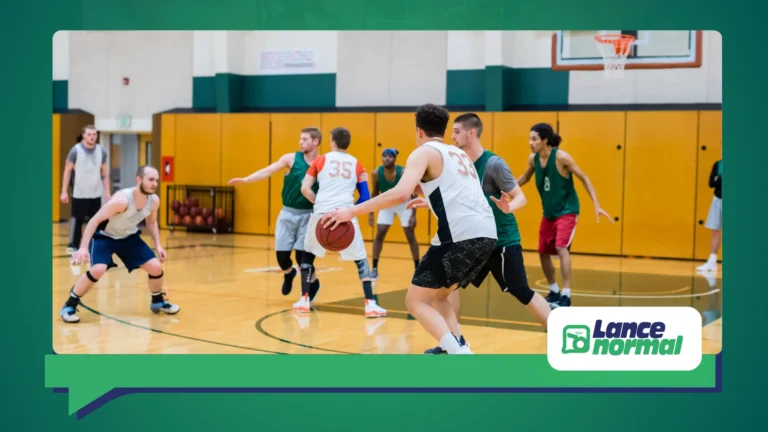
In another original example, imagine a street basketball team in an industrial city, led by a veteran coach named Marco.
Additionally, Marco compiled short videos chronicling the players' backgrounds, from precarious jobs to victories in local tournaments, emphasizing themes of urban unity.
However, the climax came when this narrative went viral, attracting investment for improvements to the community court.
Consequently, storytelling here served as a catalyst for social change, proving its value beyond entertainment.
Finally, these examples highlight the versatility of storytelling, adaptable to different contexts.
On the other hand, without creativity, similar stories could be forgotten.
On the other hand, by innovating with formats like interactive podcasts, athletes and teams maximize their reach, transforming narratives into lasting cultural movements.
Statistics, Analogies, and Emotional Engagement
According to Nielsen's Global Sports Report 2025, sports marketing campaigns that incorporate storytelling see a 20% increase in consumers' perceived brand equity, highlighting the quantifiable impact of this approach.
Furthermore, this statistic reinforces how well-constructed narratives are not luxuries, but strategic investments.
Therefore, brands that ignore this risk falling behind in an increasingly narrative-driven ecosystem.
Now, think of a clever analogy: storytelling in sports is like building a mosaic, where each individual piece—a goal, an injury, a celebration—contributes to a larger, cohesive image that captivates the observer.
However, just as an incomplete mosaic loses its charm, a fragmented narrative fails to engage.
Consequently, this comparison illustrates the need for cohesion to maximize emotional power.
Why do stories captivate us more than mere facts? This rhetorical question leads us to reflect on the emotional engagement inherent in storytelling.
In contrast, isolated data can inform, but narratives touch the heart, fostering lasting connections.
So, in sports, where emotions run high, storytelling amplifies those feelings, turning fans into part of the journey.
Strategies for Implementing Effective Storytelling
First, a key strategy is to identify authentic narrative arcs within the sporting routine.
For example, athletes should map pivotal moments, such as career transitions, and structure them into logical sequences.
Furthermore, integrating multimedia, such as photos and audio, enriches the experience, making it more immersive. Therefore, this initial preparation ensures that the story flows naturally, avoiding forced interaction.
Second, collaborating with content professionals can improve quality.
However, it is vital to maintain your personal voice to preserve authenticity.
Consequently, storytelling training, such as narrative editing workshops, equips teams to create impactful content.
Conversely, relying solely on external agencies can dilute the unique essence of the sport.
Finally, measuring success through metrics such as retention rates and qualitative feedback is essential. This allows iterative adjustments to refine future narratives.
On the other hand, expanding into emerging platforms, such as sports metaverses, opens up new horizons.
Therefore, implementing storytelling requires ongoing commitment, but the returns in loyalty and influence justify the effort.
| Strategies | Initial Steps | Success Metrics |
|---|---|---|
| Arc Identification | Map key events. | Number of stories created. |
| Creative Collaboration | Partnerships with publishers. | Quality perceived by fans. |
| Measurement and Adjustment | Engagement analysis. | Increase in interactions. |
Frequently Asked Questions about the Power of Storytelling in Sports
In addition to exploring concepts and strategies, questions often arise about the practical application of storytelling in sports.
Therefore, we have compiled answers based on intelligent approaches to clarify these points.
In turn, understanding these doubts helps to refine personal tactics.
Initially, many people wonder about the difference between storytelling and mere advertising.
However, while advertising focuses on direct sales, storytelling prioritizes emotional connections, building trust over time.
Therefore, this distinction is crucial to avoid superficial approaches.
Finally, another recurring question involves measuring impact.
Consequently, modern analytics tools allow you to track engagement, proving tangible value.
On the other hand, the focus must remain on narrative quality to sustain lasting results.
| Question | Response |
|---|---|
| What is the difference between storytelling and reporting facts? | Storytelling adds emotional layers and context, while facts are straightforward; thus, the former engages more deeply. |
| How do I start using storytelling in my sport? | Identify authentic personal moments and share them in accessible formats, like short videos, to build gradually. |
| Does storytelling work for minor sports? | Yes, because unique narratives highlight niches, attracting dedicated audiences and unexpected opportunities. |
| Do you have to be famous to tell stories? | No, authenticity attracts followers; amateur athletes often go viral with genuine accounts. |
| How to avoid the story sounding fake? | Focus on personal truths and avoid exaggeration, prioritizing vulnerability for real resonance. |
In conclusion, the power of storytelling in sport lies in its ability to humanize competitions, creating bonds that last beyond the fields and courts.
Furthermore, by adopting these practices, athletes and brands not only raise their profile but also contribute to a more inspiring ecosystem.
++ Wearables and Real-Time Monitoring: Revolutionizing Everyday Life
To learn more, here are 3 current and relevant links: