

Training for Different Age Groups!
Advertisements
In a world where physical health is increasingly intertwined with mental well-being and longevity, adapting training programs to the specific demands of each stage of life emerges as an essential strategy.
After all, the human body is not a static entity; it evolves, and with that, approaches to exercise must transform to maximize benefits and minimize risks.
Therefore, exploring “workout programs for different age groups” is not just a matter of routine, but a smart way to promote sustainable vitality.
Keep reading!
Advertisements
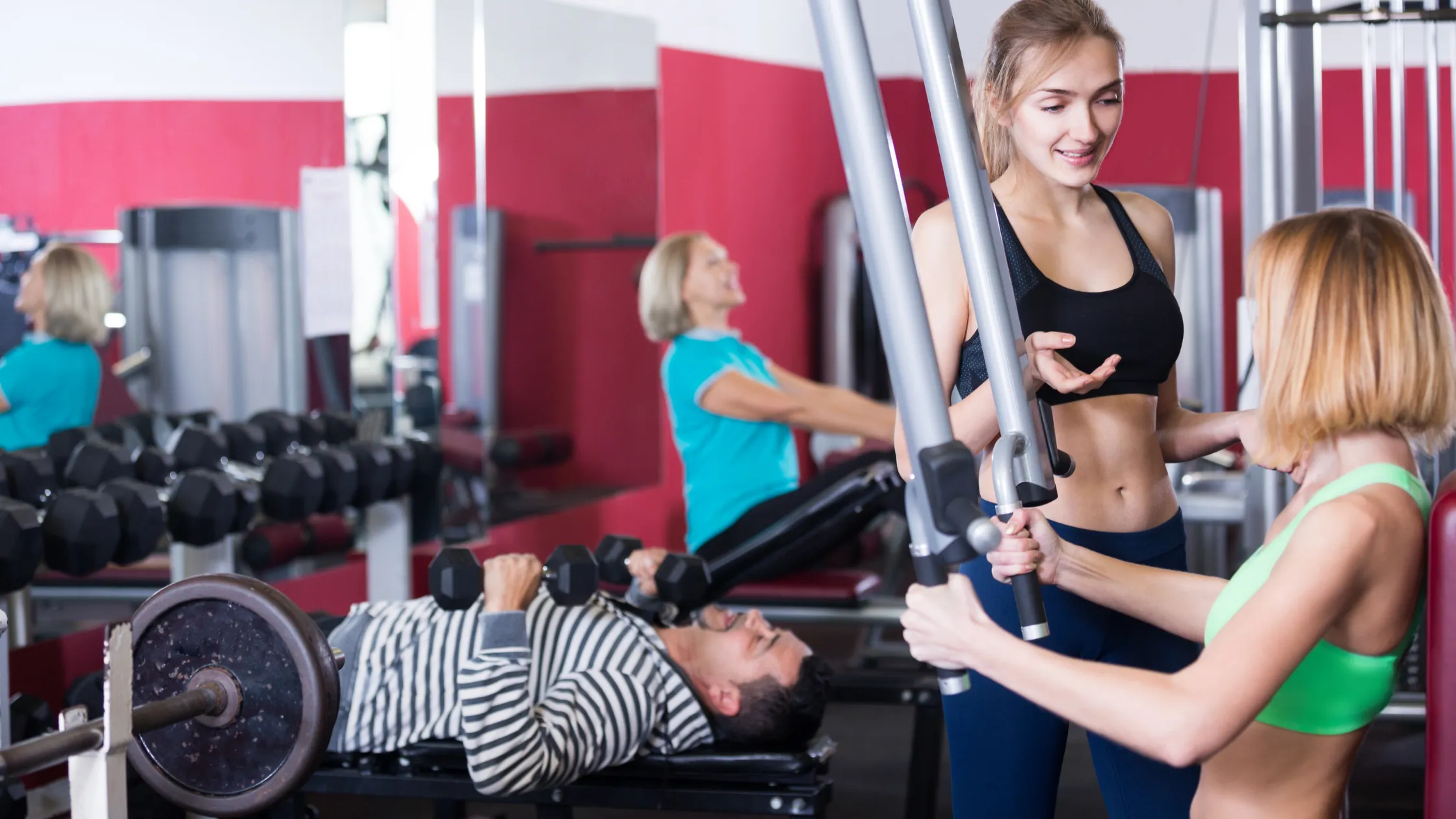
Training for Different Age Groups: Summary
- Understanding Physiological Needs by Age Group
- Training Programs for Children and Adolescents
- Training Programs for Young Adults (20-35 Years)
- Training Programs for Middle-Aged People (36-55 Years)
- Training Programs for Seniors (56 Years and Older)
- General Safety and Adaptation Considerations
- Practical Examples and Case Studies
- Frequently Asked Questions
1. Understanding Physiological Needs by Age Group
First, it is crucial to recognize that the human body undergoes significant transformations throughout life, influenced by factors such as hormones, bone density, and muscle recovery.
For example, while in youth the focus may be on building strength, in maturity the balance between mobility and injury prevention takes center stage.
However, ignoring these nuances can lead to inefficiencies or even health problems, making training programs for different age groups a compelling tool for a smarter, more active life.
Advertisements
Furthermore, research in exercise physiology highlights that personalized adaptations not only improve performance but also increase long-term adherence.
Consequently, when considering variables such as basal metabolic rate, which decreases by approximately 1-2% per decade after age 20, trainers can argue for routines that prioritize energy efficiency.
Thus, a holistic approach, which integrates science and individuality, transforms training into an evolutionary journey, rather than a generic prescription.
Finally, imagine the body as a dynamic ecosystem: just as a young forest needs seeds to grow, a mature one requires pruning to thrive.
This analogy illustrates why training programs for different age groups must be flexible, adapting to biological cycles to foster resilience.
++ Jelena Todorovic makes history in Brazilian basketball: find out who she is
And if your body were a precise machine, would you use the same maintenance protocol at every stage?
2. Training Programs for Children and Adolescents
Initially, for children and adolescents, training programs for different age groups emphasize motor development and fun, avoiding overloads that could interfere with bone growth.
Therefore, activities such as group games or recreational circuits promote coordination without the risk of excessive stress on developing joints.
++ The Power of Storytelling in Sports: Not Just an Analysis
However, it's crucial to emphasize that these workouts aren't just for fun; they build the foundation for healthy habits, reducing the risk of childhood obesity, which affects more than 340 million young people globally, according to data from the World Health Organization.
Furthermore, by integrating educational elements, such as explaining the importance of posture during jumping or running, the programs encourage early body awareness.
Consequently, this not only improves athletic performance but also strengthens self-esteem, transforming exercise into a tool for empowerment.
Therefore, smart coaches opt for gradual progressions, starting with basic movements and moving on to more complex challenges, ensuring that the young person feels motivated and confident.
On the other hand, avoiding monotonous routines is key; varying between sports and functional exercises, the programs maintain high engagement.
Therefore, at the end of a session, the focus should be on reflection: what was learned?
This argumentative approach reinforces that, for this age group, the training It is a bridge to physical autonomy, preparing the ground for more demanding adult phases.
3. Training Programs for Young Adults (20-35 Years)
Firstly, in this peak physical phase, training programs for different age groups explore maximum recovery and muscle gain capacity, prioritizing intensity and variety.
However, arguing for the inclusion of active recovery, such as dynamic stretching, prevents burnout common among busy professionals.
Therefore, routines that combine strength training with interval cardio not only optimize time, but also increase metabolism, making it easier to balance career and health.
Furthermore, considering the modern lifestyle, with long sedentary hours, these programs should incorporate exercises that combat postural imbalances.
Consequently, techniques such as Pilates combined with free weights strengthen the core, reducing the risk of lower back pain.
Therefore, a smart approach here is periodization, alternating phases of hypertrophy with endurance, so that the body adapts without plateaus.
Finally, psychological engagement comes into play: why not use tracking apps to gamify progress?
This argumentative strategy transforms training into a personal narrative of overcoming challenges, ensuring adherence.
However, without exaggeration; balance is essential to sustain vitality at this stage of life construction.
4. Workout Programs for Middle-Aged People (36-55 Years)
Initially, as metabolism slows, training programs for different age groups at this stage emphasize maintaining muscle mass and joint health.
Therefore, low-impact exercises, such as swimming or cycling, become allies, arguing against the idea that aging means inevitable decline.
Thus, by prioritizing quality over quantity, these workouts combat sarcopenia while preserving independence.
Additionally, integrating balance training, such as yoga with variations, addresses the natural decrease in bone density, especially in postmenopausal women.
Consequently, this not only prevents falls but also improves body confidence.
However, a smart approach involves monitoring hormonal responses, adjusting intensities to avoid chronic fatigue.
On the other hand, the social aspect cannot be underestimated: training groups foster connections, making exercise a revitalizing break from family responsibilities.
Therefore, arguing for personalization here is essential, adapting routines to unique lifestyles to maximize long-term benefits.
5. Training Programs for Seniors (56 Years and Older)
First, for seniors, training programs for different age groups focus on daily functionality and longevity, prioritizing movements that mimic everyday tasks.
However, this is not to oversimplify; resistance exercises with elastic bands can strengthen bones without putting strain on joints.
Therefore, arguing for the inclusion of regular assessments ensures safe and motivating progress.
Additionally, activities like tai chi or guided walks improve balance and cognition, combating the isolation common at this age.
Consequently, these programs improve quality of life, with studies showing that active older adults have a lower risk of cognitive decline.
Therefore, a smart approach integrates mental elements, such as mindfulness, during stretching.
Finally, empowerment is key: encouraging daily self-assessments turns training into an autonomous practice.
However, always with initial supervision to avoid mistakes, ensuring that aging is a phase of grace and strength.
6. General Safety and Adaptation Considerations
Initially, regardless of age, safety in training programs for different age groups begins with preliminary medical evaluations.
Therefore, factors such as pre-existing conditions should guide adaptations, arguing against universal approaches.
Thus, gradual progression techniques prevent injuries, promoting sustainability.
Additionally, hydration and nutrition are intertwined with training; for example, increasing protein in older adults' diets supports recovery.
Consequently, smart coaches use tools like journals to track responses, adjusting in real time.
However, overtraining is a universal risk, requiring strategic rest days.
On the other hand, motivation varies by age: gamification for young people, community for older people.
Therefore, a holistic argumentative approach integrates mind and body, transforming exercise into a lifelong investment.
Here is a comparative table of considerations by age group:
| Age Range | Main Focus | Common Risks | Suggested Adaptations |
|---|---|---|---|
| Children/Teenagers | Motor development | Growth overload | Playful games, supervision |
| Young Adults | Maximum intensity | Burnout | Periodization, active recovery |
| Middle Ages | Muscle maintenance | Postural imbalances | Low impact, balance |
| Elderly | Functionality | Falls | Light resistance, cognition |
7. Training for Different Age Groups: Practical Examples and Case Studies
First, an original example: the “Dynamic Youth Program”, designed for teenagers aged 13-18, begins with a 20-minute warm-up through tag games.
In this sense, followed by bodyweight circuits such as modified push-ups and squats, ending with narrative stretches that tell adventure stories.
So this not only builds strength but also engages the imagination, with 45-minute sessions three times a week. However, adjustments for fitness levels ensure inclusion.
Furthermore, another original example: the “Senior Vitality Workout”, for those over 60, uses chairs as support for exercises such as leg lifts and trunk rotations, integrating pauses for deep breathing.
Consequently, 30 minutes a day promotes fatigue-free mobility, with progression based on weekly feedback.
Thus, it is argued that such creativity transforms routines into pleasurable rituals.
Finally, a relevant statistic: according to the WHO, only 1 in 4 adults meets physical activity recommendations, highlighting the urgency of adapted programs.
So these examples illustrate how innovation can reverse global trends of inactivity.
Here is a table with examples of exercises by range:
| Age Range | Exercise 1 | Exercise 2 | Exercise 3 |
|---|---|---|---|
| Children/Teenagers | Obstacle course | Star jumps | Ball games |
| Young Adults | Burpees | Weightlifting | Interval running |
| Middle Ages | Swimming | Yoga | Stationary cycling |
| Elderly | Walking with light weights | Tai chi | Seated stretches |
8. Training for Different Age Groups: Frequently Asked Questions
To clarify common questions about training programs for different age groups, we've compiled a relevant table with evidence-based answers and smart approaches.
| Question | Response |
|---|---|
| What is the ideal training frequency for children? | Typically 3–5 days a week, with an emphasis on fun to avoid demotivation. However, monitor for signs of fatigue. |
| Can I do intense training after age 50? | Yes, but with adjustments; start slowly and consult a doctor. So, focus on quality. |
| How to adapt workouts for chronic conditions? | Personalize with professionals; for example, use aquatic exercises for arthritis. Prioritize safety. |
| Are home workouts effective for all ages? | Absolutely, with minimal equipment; consequently, they promote consistency. |
| What is the role of nutrition in the programs? | Essential; integrate proteins and vitamins for recovery, varying by age. |
In conclusion, by adopting training programs for different age groups with creativity and science, we invest in a full life.
For more insights, check out these relevant and current links: