
Advanced core training has become a decisive differentiator for athletes seeking power and precision in their finishing moves, directly influencing kicking mechanics and body stability during explosive movements.
Advertisements
In recent years, professional clubs have begun investing heavily in specific methodologies for strengthening the core, understanding that offensive performance depends on the integration of strength, balance, and coordination.
The evolution of modern football demands players capable of executing quick actions under pressure, and control of the core has become a determining factor for effectiveness in crucial moments.
Elite athletes frequently report that improvements in core strength have directly impacted the quality of their shots, especially in situations of imbalance or under intense marking.
In addition to power, the advanced core contributes to precision, as it stabilizes the body during contact with the ball, reducing wasted energy and increasing technical control.
Advertisements
This article explores how specific core training can transform finishing and shooting, providing an in-depth analysis based on science, practice, and real-world examples from professional sports.
The importance of the core in the biomechanics of kicking.
The core acts as the central link between the lower and upper limbs, allowing for the efficient transfer of force during the kicking motion, especially in fast, high-intensity actions.
When the athlete initiates the movement, the energy generated by the legs needs to be stabilized and directed by the torso, ensuring that the impact with the ball is precise and powerful.
Advertisements
Without a strong core, some of that energy is lost, resulting in weak or inaccurate shots, something often seen in less physically developed players.
Biomechanical studies show that trunk rotation directly influences ball speed, making the core an essential element for consistent offensive performance.
Furthermore, the core plays a role in maintaining balance, allowing the athlete to finish even in adverse situations, such as jumps, runs, or physical contact.
This solid structural foundation differentiates ordinary players from high-level athletes, who are able to execute precise finishes even under extreme pressure.
++ The importance of cross-training for elite athletes.
How the core directly impacts kicking power
The power of a kick depends not only on leg strength, but also on the body's ability to coordinate multiple muscle groups in a synchronized and efficient manner.
The core acts as an energy transmitter, ensuring that the force generated by the hips and legs is correctly directed to the point of impact.
In analyses carried out by institutions such as FIFAIt has been observed that players with better trunk control exhibit a higher average kicking speed during competitive matches.
This control allows the athlete to maximize force transfer without losing stability, significantly increasing the final power of the movement.
Another important factor is the ability to generate torque through trunk rotation, an essential element for long-range kicks and more complex submissions.
Players like Cristiano Ronaldo have developed specific core training routines precisely to optimize this energy transfer and achieve impressive levels of power.
Precision and control: the role of the core in finishing.
The accuracy of a kick is directly linked to body stability, and the core plays a fundamental role in this process by maintaining body alignment during movement.
When the torso is stable, the athlete can better control the trajectory of the ball, avoiding deviations caused by imbalances or inadequate muscle compensations.
According to research by NIHNeuromuscular control of the core significantly influences fine motor coordination in complex sports movements.
This means that a well-trained core allows for quick adjustments during kicking, increasing adaptability in dynamic game situations.
Furthermore, core stability reduces the risk of technical errors, such as poorly executed kicks or loss of control at the moment of impact.
This factor is crucial in decisive matches, where small details determine the success or failure of a shot on goal.
++ How sports help combat anxiety and depression.
Advanced exercises to develop the core.
Traditional exercises are no longer sufficient for athletes seeking high performance; it is necessary to incorporate complex and functional movements into their training.
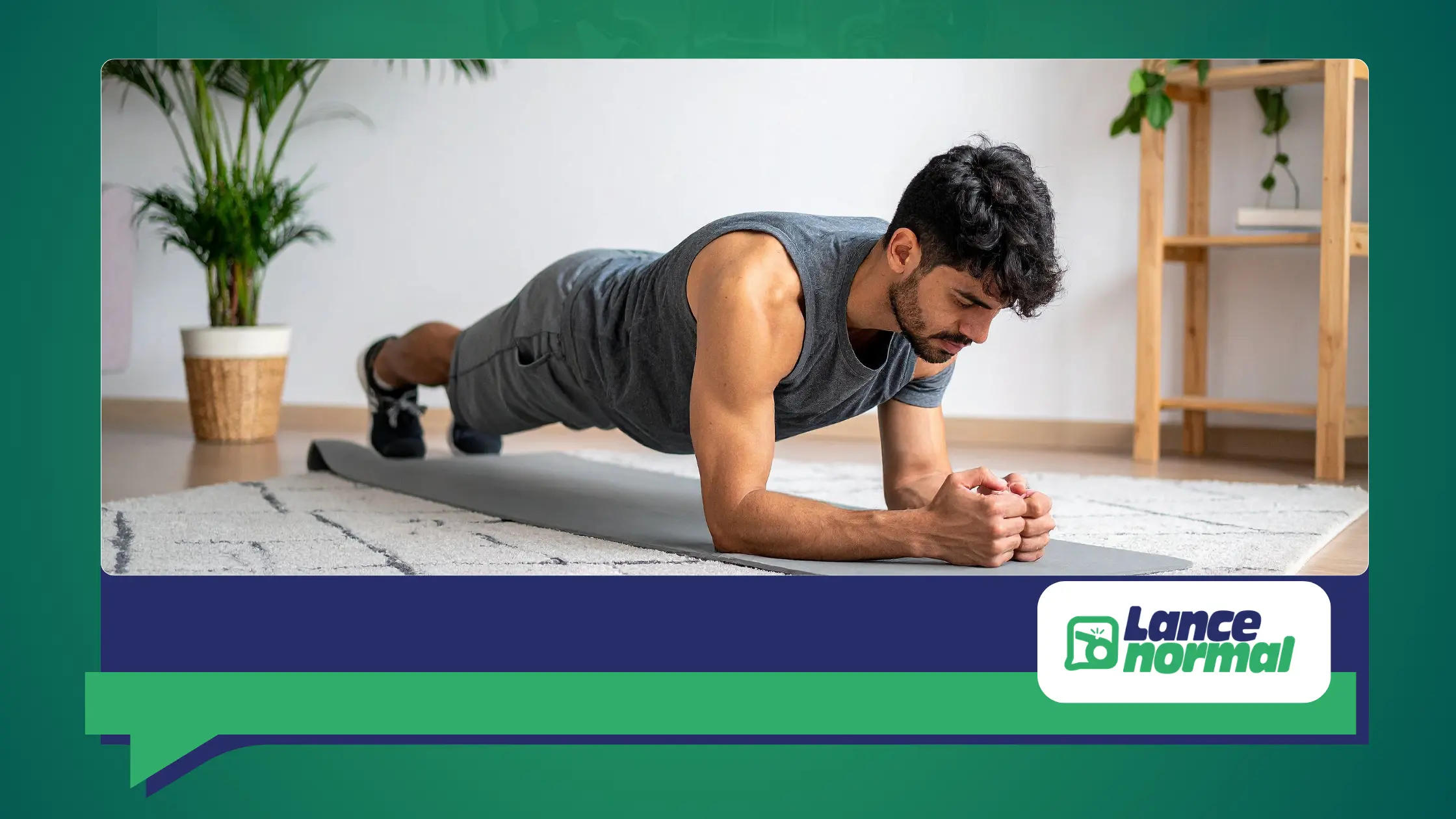
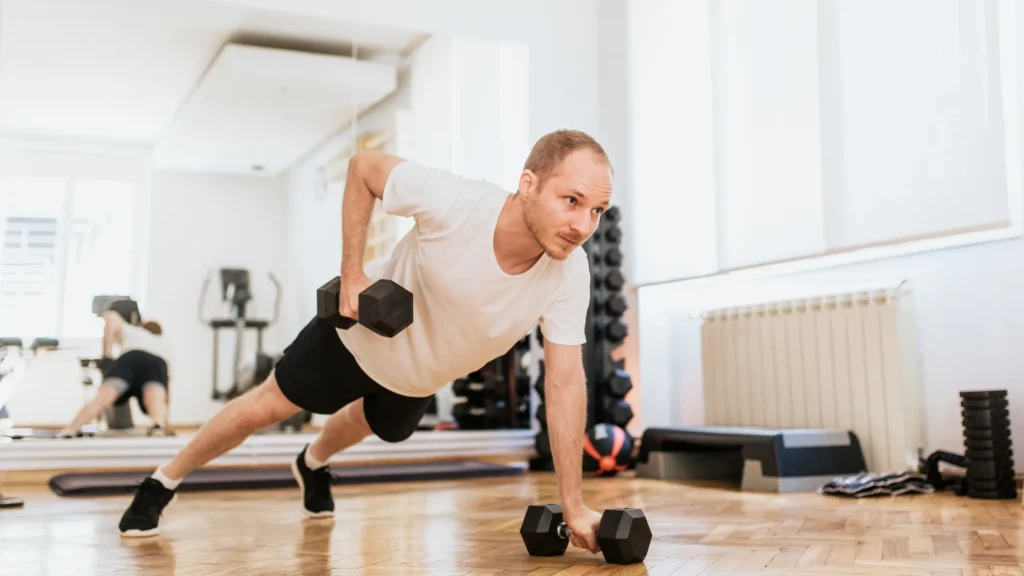
Dynamic planks with instability, loaded rotations, and unilateral exercises are fundamental to simulating the real demands of the game.
Movements like the woodchopper and the landmine rotation help develop rotational strength, which is essential for powerful and accurate kicks.
Furthermore, exercises with medicine balls allow you to work on explosiveness and coordination simultaneously, replicating movement patterns from soccer.
Training should include progressions that challenge balance and endurance, ensuring continuous adaptation of the body.
Integrating these exercises into structured routines enhances results and reduces the risk of stagnation.
++ Key highlights of the 2026 transfer window.
Integration of the core with specific football movements.
Isolated core training needs to be connected with technical skills to generate real performance transfer on the field.
Simulations of kicking with elastic resistance, for example, help to integrate strength and technique efficiently.
Training that combines running, rotation, and finishing is especially effective for developing overall coordination and applied power.
Repeating these patterns improves muscle memory and increases the efficiency of movements during matches.
Furthermore, integrated work allows for the identification of technical flaws that can be corrected with adjustments to the core.
This functional approach is widely used by professional teams to maximize offensive performance.
Comparison between core training levels
The evolution of core training can be observed at different levels of complexity and impact on athletic performance.
| Level | Features | Impact on the kick |
|---|---|---|
| Basic | Simple static exercises | Low transfer |
| Intermediary | Controlled dynamic movements | Moderate improvement |
| Advanced | Functional and integrated exercises | High power and precision |
Players who remain at a basic level rarely achieve high performance in finishing.
The advanced level allows athletes to explore their full physical potential, especially in real game situations.
This progression is essential for athletes who wish to continuously improve and achieve sporting excellence.
Common mistakes in advanced core training.
One of the most frequent mistakes is focusing solely on aesthetics, neglecting the functionality of the exercises within the sporting context.
Another common problem is a lack of progression, which hinders continuous development and reduces performance gains.
Many athletes also ignore proper technique, compromising the effectiveness of exercises and increasing the risk of injury.
Furthermore, the lack of integration with specific movements limits the transfer of results to the game.
Excessively repetitive training can lead to stagnation, making it necessary to vary the stimuli regularly.
Correcting these errors is crucial to ensuring that core training truly contributes to improving finishing and shooting.
Conclusion
Developing an advanced core represents one of the most important pillars for athletes seeking to improve power and accuracy in finishing within modern soccer.
The integration of strength, stability, and coordination allows for maximizing technical performance and reducing wasted energy during the kicking motion.
Athletes who invest in specific training are able to perform actions more efficiently, even under pressure and in complex game situations.
In this way, the core ceases to be merely a physical component and becomes a strategic tool for athletic success.
FAQ
1. What is advanced core training?
It is a set of complex exercises that develop strength, stability, and coordination of the trunk with a focus on athletic performance.
2. Does the core really influence kicking power?
Yes, it allows for better transfer of force between the legs and torso, increasing the speed and impact of the ball.
3. How many times a week should I train my core?
Ideally, there should be between two and four sessions per week, depending on the athlete's level and the intensity of the training.
4. Are plank exercises sufficient?
No, advanced athletes need dynamic and functional exercises to achieve significant results.
5. Does core training help prevent injuries?
Yes, it improves stability and reduces strain on other areas of the body during intense movements.