
Street sports have returned to the global spotlight as authentic expressions of movement, urban identity, and social transformation, reflecting profound cultural changes in contemporary cities.
Advertisements
This resurgence is not happening by chance, as it involves economic, social, and symbolic factors that reposition informal practices as legitimate alternatives to institutionalized sport.
Throughout the text, we will analyze how these sports modalities resurface, gain visibility, and connect to themes such as youth, public space, media, and the sports industry.
It will also explore how local communities drive these practices, creating their own narratives that challenge traditional patterns and broaden the meaning of modern sport.
The analysis considers real-world examples, cultural data, and social impacts observed in different countries, highlighting the global yet profoundly local nature of the phenomenon.
Advertisements
Finally, the article discusses the future developments of this trend, assessing risks, opportunities, and the role of cities in strengthening street sports.
Historical and cultural roots of street sports
Sports activities in the streets have always existed as spontaneous forms of leisure, cultural resistance, and sociability, especially in urban contexts marked by inequality and a lack of formal sports infrastructure.
For decades, street sports have been associated with marginality, receiving little institutional attention, despite their importance in shaping collective identities and the creative occupation of urban spaces.
Advertisements
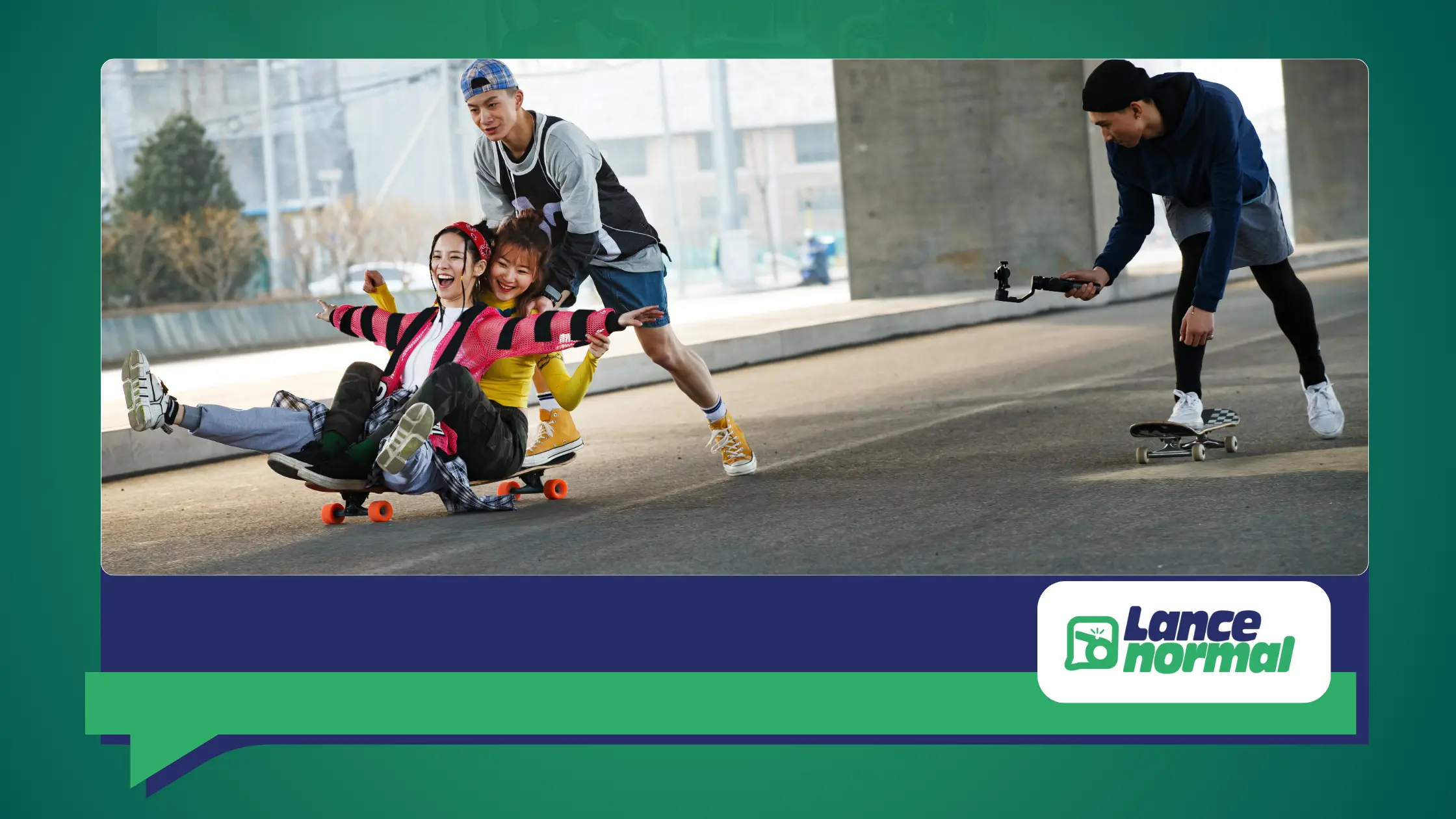
Sports like skateboarding, street basketball, and informal soccer emerged as direct responses to the limitations imposed by closed clubs and exclusionary sports structures.
These practices carry their own values, such as autonomy, improvisation, and belonging, which contrast with the rigidity of the rules and hierarchies of traditional sports.
In peripheral neighborhoods, street sports have historically functioned as tools for inclusion, offering symbolic and practical alternatives for young people excluded from consistent public policies.
The current resurgence of these artistic expressions revives this cultural legacy, reinterpreting it in light of new contemporary social and aesthetic demands.
++ What sports teach about discipline and mindset.
The influence of urbanization and social change.
The rapid growth of cities has redefined the relationship between people and public spaces, creating environments where street sports find fertile ground to develop again.
Squares, sidewalks, and abandoned areas have been reinterpreted as places for sports practice, challenging traditional concepts of urban planning.
Changes in urban lifestyles, with a greater emphasis on mobility and well-being, have contributed to the popularization of these accessible and decentralized activities.
Furthermore, economic crises in different regions have reduced access to clubs and gyms, reinforcing the appeal of street sports as low-cost options.
According to analyses published by World Economic ForumRecent urban trends point to a greater appreciation for the social use of public spaces.
In this context, street sports emerge as practical and symbolic responses to the social transformations that are redefining daily life in modern cities.
Youth, identity and urban belonging
For many young people, street sports represent more than just physical activity; they function as a cultural language and a means of asserting identity.
These practices create organic communities where values such as respect, skill, and creativity replace formal titles and statistics.
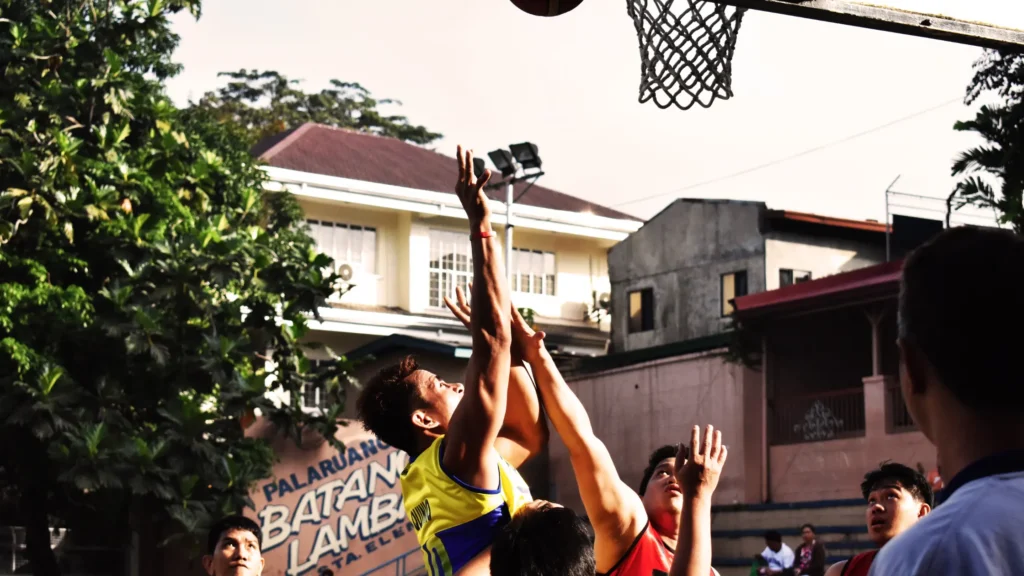
In large metropolitan areas, skateboarding or street basketball groups build strong social networks, offering emotional support and a sense of belonging.
Stories of athletes who started on the streets and achieved global recognition reinforce the collective imagination surrounding these sports.
Urban space becomes the stage for personal narratives, where each maneuver or play carries symbolic meaning for those who participate.
Thus, street sports act as tools for identity construction, especially in contexts where other forms of expression are limited.
++ The greatest Olympic rivalries of all time.
The role of digital media and social networks.
The rise of social media has profoundly transformed the visibility of street sports, expanding their reach to global audiences.
Digital platforms allow athletes to share their performances, styles, and stories without the mediation of large sports institutions.
Short videos and live streams have popularized formats previously restricted to local niches, creating new cultural references.
This digital environment fosters authentic narratives, valuing the raw aesthetic and spontaneity typical of street sports.
Studies published by UNESCO They highlight the importance of digital culture in preserving and disseminating urban cultural practices.
In this way, digital media acts as a catalyst for the global return of street sports, connecting communities and expanding their symbolic impact.
++ The eternal rivalry between the great European clubs.
Commercialization and institutionalization of the movement
The growing popularity of street sports has attracted the interest of brands, sponsors, and traditional sports organizations.
International events have begun to incorporate urban formats, transforming informal practices into large-scale commercial spectacles.
This process generates debates about authenticity, since institutionalization can dilute the original values of these practices.
On the other hand, commercial visibility offers economic opportunities for athletes and communities that were previously invisible.
The relationship between the market and urban culture remains ambiguous, balancing financial gains and the risks of losing its character.
The current challenge is to integrate street sports into the global sports system without compromising their cultural essence.
Social impacts and redevelopment of urban spaces
The organized practice of street sports has contributed to the revitalization of degraded urban areas, promoting the collective and safe use of these spaces.
Community projects transform abandoned lots into sports courts and tracks, strengthening local social bonds.
These initiatives often involve partnerships between residents, artists, and public administrators, creating collaborative urban solutions.
The impacts go beyond sports, influencing perceptions of belonging and collective responsibility for the city.
The table below summarizes some social effects associated with the expansion of street sports in urban environments.
| Social impact | Description |
|---|---|
| Social inclusion | Democratic access to sports practice |
| Urban redevelopment | Creative use of abandoned spaces |
| Youth engagement | Reduction of social isolation |
| Cultural identity | Promoting local expressions |
These effects reinforce the potential of street sports as tools for sustainable social transformation.
Future prospects for street sports
The future of street sports depends on the ability to balance growth, inclusion, and cultural preservation.
Cities that recognize the value of these practices tend to invest in public policies that respect their autonomy.
The trend is for new modalities to emerge, reflecting continuous technological and cultural changes.
At the same time, dialogue between practitioners and institutions will be essential to avoid exclusionary appropriations.
Sports education can incorporate elements of street sports, expanding its pedagogical legitimacy.
Thus, the current resurgence may represent not a fad, but a lasting transformation in the global sports ecosystem.
Conclusion
The return of street sports reveals profound changes in how contemporary societies understand sport, culture, and urban space.
These practices restore values of autonomy and belonging, offering alternatives to the traditional centralized sports model.
At the same time, they face challenges related to commercialization and excessive institutionalization.
Their future will depend on the collective ability to preserve authenticity while expanding opportunities and positive social impacts.
FAQ
1. What distinguishes street sports from traditional sports?
Street sports stand out for their informality, use of public space, and emphasis on individual creativity.
2. Why are street sports experiencing a resurgence?
Urban changes, limited access to formal infrastructure, and the power of social networks are driving this growth.
3. Which sports are most popular in street sports?
Skateboarding, street basketball, informal soccer, and parkour are among the most widespread practices globally.
4. Does commercialization threaten the essence of street sports?
It can be a threat if there is no dialogue, but it also offers visibility and economic opportunities.
5. How do street sports impact local communities?
They promote social inclusion, urban renewal, and the strengthening of collective identities.