

Difference Between Round-robin and Eliminatory Championships!
Advertisements
Have you ever wondered why some football tournaments keep fans excited for months on end, while others explode with excitement in just a few decisive matches?
Therefore, when exploring the difference between round robin and knockout tournaments, we realized that each format shapes not only the game, but also team strategy and audience engagement.
Furthermore, the points system rewards consistency throughout a long season, forcing teams to maintain constant high performance.
However, the playoffs inject unpredictability, where a single mistake can end title dreams.
Advertisements
Difference Between Round-robin and Eliminatory Championships
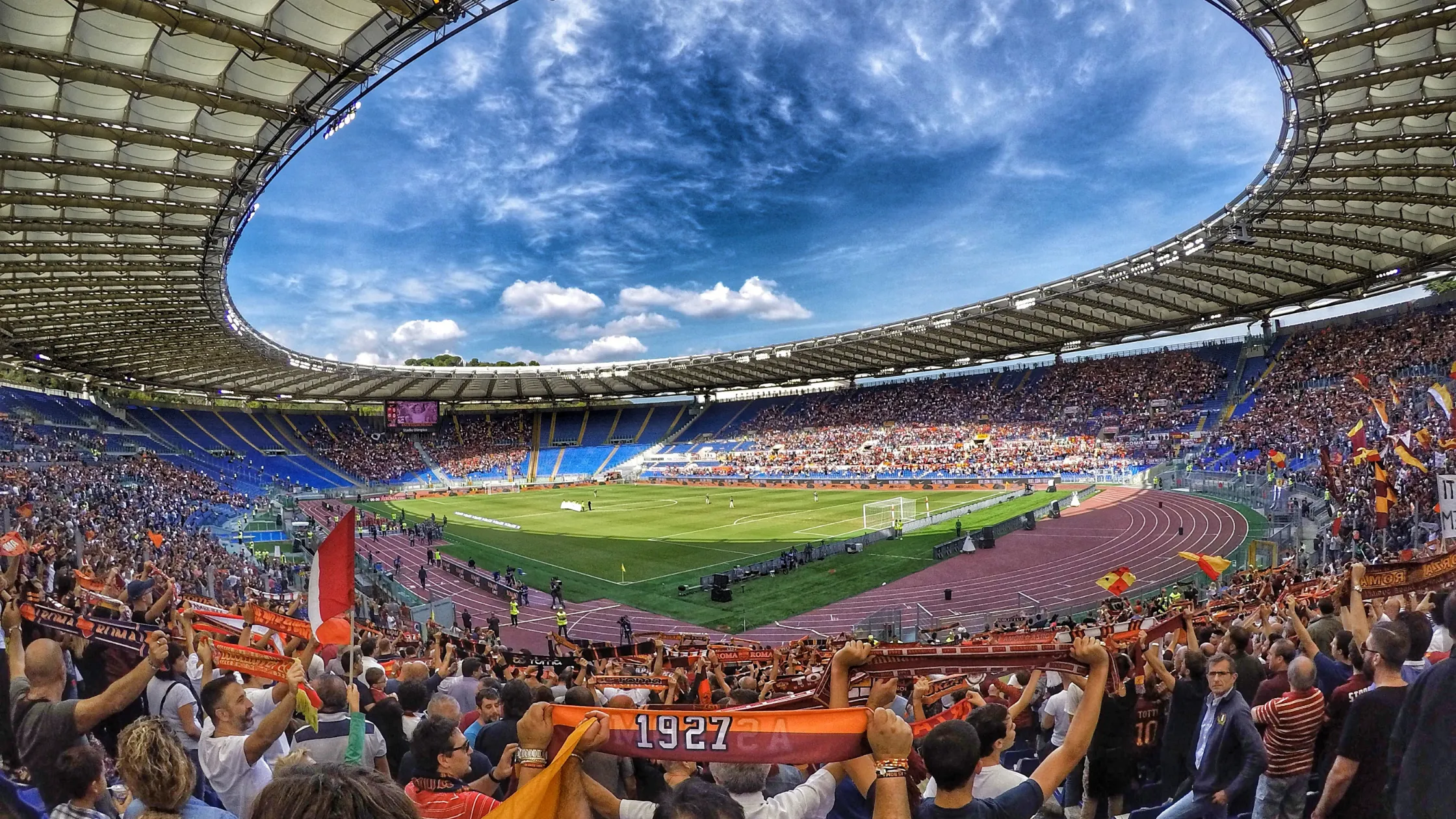
Initially, this distinction directly affects tactical planning, with coaches adapting formations for endurance in long leagues or for intensity in knockout matches.
For example, in points-based competitions, accumulated injuries test the depth of the squad, while knockout rounds require immediate focus on direct confrontations.
However, both formats coexist in many sporting calendars, creating a balance that enriches the sport.
Advertisements
Understanding this difference reveals insights into sports justice and entertainment, as points-based competitions value the best team, but knockouts celebrate unlikely heroes.
Furthermore, this duality stimulates heated debates among passionate fans.
What are Running Points Championships?

The points-based championships function like a collective marathon, where teams accumulate points in successive rounds until the end of the season.
Therefore, victories yield three points, draws one and defeats zero, crowning the team with the highest score as champion.
++ Disney/ESPN Nears Agreement to Acquire NFL Network with League Equity
Additionally, this system encourages balanced games, as each match contributes to the final total.
However, coaches prioritize player rotation to avoid fatigue, as the extensive schedule demands energy management.
This way, teams build solid campaigns, avoiding costly setbacks in the table.
For example, a club that consistently wins against smaller rivals gains an advantage over fickle competitors.
However, qualification for international tournaments often depends on this accumulated score, leading to fierce competition until the final rounds.
In this way, points-based football promotes more strategic football, where analytical data guides decisions, such as prioritizing ball possession to minimize risks.
What's more, fans follow weekly developments, creating long-lasting narratives of overcoming obstacles.
What are Knockout Championships?
Knockout tournaments operate in knockout stages, eliminating losers after head-to-head matches, often in two-legged matches.
Therefore, the winner moves forward regardless of past performance, focusing on immediate performance.
Furthermore, criteria such as away goals break ties in evenly matched series, adding layers of tension.
++ How the Number 10 Shirt Culture Still Survives in Brazilian Football
However, underdogs exploit the weaknesses of favorites on inspired nights, turning favorites into memorable underdogs.
Thus, coaches emphasize mental preparation, as psychological pressure defines results in decisive penalties.
For example, a tactically inferior team can win by exploiting quick counterattacks against dominant opponents.
However, the format speeds up the tournament, condensing the excitement into just a few weeks, which attracts casual viewers.
In this way, qualifiers test resilience under stress, forcing quick adaptations to unexpected injuries or suspensions.
++ How Referees Are Chosen for the Most Important Games
What's more, heroic narratives emerge when smaller teams take down giants, revitalizing the sport with surprises.
Advantages of the Points Championships
The points system emphasizes fairness, rewarding teams that demonstrate superiority over time, reducing the impact of poor refereeing in isolated games.
Therefore, teams invest in deep squads, promoting sustainable development.
Furthermore, fans enjoy a predictable season, with title races stretching right to the end.
However, the format encourages investment in infrastructure, as consistency requires continuous training and data analysis.
This way, smaller clubs compete better, avoiding early elimination due to bad luck.
For example, an average team accumulates points against direct rivals, ensuring survival in the elite.
However, box office revenue grows with relevant games until the end, benefiting local economies.
In this way, points-based competitions foster regional rivalries, as each match affects the overall classification.
Furthermore, sports analysts use advanced metrics to predict champions, enriching media coverage.
Disadvantages of the Round-robin Championships
Running points can make seasons dull when one team dominates early, demotivating fans of average teams.
Therefore, final games lose relevance for teams without goals, leading to empty stadiums.
Furthermore, chronic injuries punish limited rosters, widening financial inequalities.
However, constant pressure exhausts players, increasing the risk of burnout and serious injuries.
Thus, coaches struggle to maintain motivation in irrelevant rounds, affecting technical quality.
For example, a club that is relegated early plays without intensity, frustrating spectators.
However, the format favors economic powers, which hire stars to maintain consistency, marginalizing emerging clubs.
Thus, tactical innovation decreases, as conservative strategies prevail to avoid losses.
Furthermore, television ratings decline in drama-free periods, impacting broadcast contracts.
Advantages of Knockout Championships
Elimination rounds generate intense adrenaline, transforming each match into an unmissable event, attracting global audiences.
Therefore, teams exploit specific opponent weaknesses, creating customized tactics.
Furthermore, underdogs inspire Cinderella narratives, democratizing success.
However, the format accelerates the careers of young talents, who shine at crucial moments.
Therefore, sponsors value unpredictability, investing in dynamic advertising campaigns.
For example, a goal in stoppage time turns anonymous heroes into national idols.
However, qualifiers balance busy calendars by concentrating efforts on short stages.
In this way, coaches test risky innovations, raising the technical level in direct confrontations.
What's more, communities unite around unlikely victories, strengthening social bonds.
Disadvantages of Knockout Championships
Eliminations punish superior teams for specific mistakes, questioning true meritocracy.
Therefore, controversial arbitrations decide destinies, generating lasting controversies.
Furthermore, injuries in key games eliminate favorites with no chance of recovery.
However, the random draw creates imbalances, with easy paths for some.
Thus, teams focus on solid defenses, resulting in truncated and unattractive games.
For example, a dominant team loses on penalties due to isolated poor aim.
However, accumulated fatigue from long seasons affects performances in the final knockout stages.
As a result, smaller clubs rarely advance beyond the initial stages, perpetuating hierarchies.
Furthermore, revenues fluctuate with early eliminations, destabilizing finances.
Direct Comparisons and Strategic Differences
In comparison, points-based competitions require tactical endurance, while knockout competitions demand mental energy. Therefore, teams in long leagues prioritize possession to control the pace.
Furthermore, data shows that home advantage is more prevalent in points-based competitions, influencing strategies.
However, knockout rounds amplify the psychological factor, with coaches using motivational speeches. Thus, budgets have less of an impact in knockout rounds, allowing for surprises.
For example, analyses reveal greater variation in goals in decisive clashes.
However, both formats coexist, as in European leagues, enriching the ecosystem.
This way, fans debate which provides better entertainment.
Furthermore, innovations like VAR change dynamics, reducing errors at critical moments.
| Feature | Running Points | Eliminations |
|---|---|---|
| Duration | Full season, multiple rounds | Short stages, direct confrontations |
| Victory Criteria | Accumulation of points | Elimination of the loser |
| Unpredictability | Low, favors consistency | High, allows zebras |
| Psychological Impact | Continuous pressure | Point intensity |
| Revenue Generated | Stable, relevant games | Variable, depends on advances |
Round robin and elimination championships: original examples of application
Consider the Brasileirão Série A, a classic points-based league, where Palmeiras built its 2022 campaign with consistent victories against smaller teams, accumulating points that secured the title despite stumbling against direct rivals.
Therefore, Abel Ferreira rotated the squad to maintain freshness, avoiding injuries that would ruin campaigns in short formats.
Additionally, this approach allowed for the development of youngsters like Endrick, who gained minutes without immediate pressure.
However, in the Copa do Brasil, a pure knockout, 2022 Flamengo overcame Athletico-PR in tense finals, exploiting quick counterattacks in two-legged games.
Thus, Dorival Júnior focused on penalty training, turning disadvantages into heroic victories.
For example, goals in injury time changed narratives, highlighting unpredictability.
However, another example emerges in basketball: the NBA regular season operates as a points race, where the 2023-24 Boston Celtics accumulated wins for a high seed, prioritizing collective defense over 82 games.
In this way, Jason Tatum led without being overwhelmed, building team chemistry.
Furthermore, this contrasted with the elimination playoffs, where the Dallas Mavericks stunned favorites with inspired performances from Luka Doncic in seven-game series.
Relevant Statistics and Implications
A revealing statistic highlights that, in the Brasileirão since the adoption of points-based competition in 2003 until 2023, only 8 different teams have won the title in 21 editions, reflecting the dominance of consistent powers.
This therefore contrasts with knockout tournaments such as the Copa do Brasil, where 15 different clubs have won in 35 editions since 1989, allowing for greater diversity.
Furthermore, studies indicate that home advantage is 10-15% lower in knockouts, as pressure neutralizes local benefits.
However, this disparity argues in favor of elimination rounds for inclusion, but reinforces points scoring as a measure of sustainable excellence.
Analysts then use this data to forecast investments, with clubs prioritizing endurance signings.
For example, teams like Flamengo adapt squads for both formats.
However, statistics drive reforms, such as hybrids that combine phases. In this way, federations balance fairness and excitement.
What's more, fans cite these numbers in debates, enriching online communities.
Clever Analogy to Understand the Difference
Imagine points racing as a long cross-country train journey, where passengers (teams) accumulate miles (points) at successive stations, and the winner arrives at the destination with the most accumulated luggage, rewarding planning and patience.
So minor interruptions don't derail the journey, but consistency secures the prize.
Furthermore, elimination matches resemble fencing duels, where a precise touch eliminates the opponent, regardless of previous history.
However, in the train analogy, bad stops cost time, but recovery is possible; in the duel, a fatal error ends everything.
Thus, coaches "lead" teams with strategies adapted to their "means of transportation." For example, a fencing team trains precision for decisive moments.
However, this comparison illustrates why fans love both: the journey offers panoramic vistas of skill, while duels deliver instant climaxes.
In this way, sports mix formats for complete narratives.
Furthermore, the analogy engages reflections on real life, where consistency builds careers, but unique opportunities change destinies.
But does the thrill of a duel surpass the satisfaction of an epic journey?
Frequently Asked Questions: Round-robin and Eliminatory Championships
| Frequently Asked Questions | Response |
|---|---|
| Which format is fairer? | Round robin rewards consistency, reducing luck; knockouts value performance under pressure but allow for occasional injustices. |
| Which smaller teams do you prefer? | Eliminations, because a good run of form can lead to the title, like underdogs in the World Cup. |
| How does VAR impact everyone? | In points-based competitions, it corrects accumulated errors; in knockout matches, it decides crucial games, increasing controversies. |
| Are there hybrid examples? | Yes, like the Champions League, with a group stage and knockout stages in the qualifying rounds. |
| Which generates more revenue? | Round robin, with an extensive schedule; knockout rounds attract peak viewership in the finals. |
In short, the difference between points-based and knockout championships lies in the essence of the sport: endurance versus intensity.
So, the choice depends on preference, but both enrich the game. Also, explore further to form your own opinions.