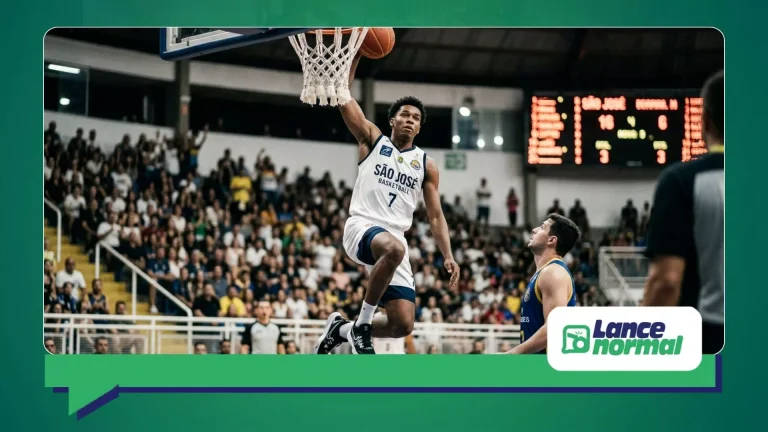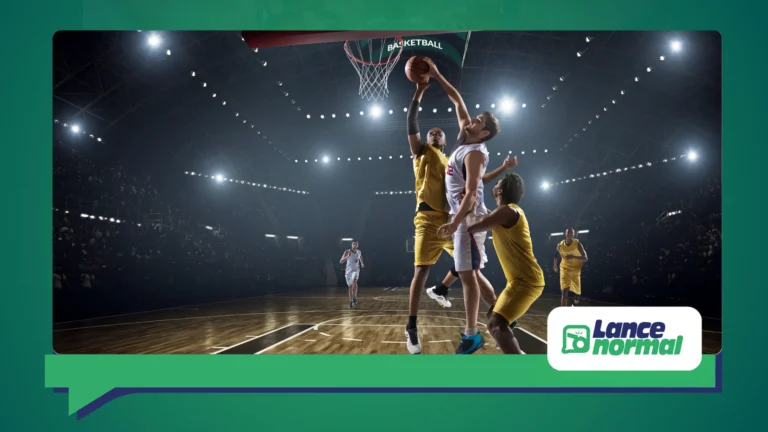


The concept that the Basketball influences pop culture. It summarizes a profound transformation, where sport, fashion, music, and urban behavior have begun to interact daily in streets, schools, stages, and digital platforms.
Advertisements
Far beyond the courts, basketball has built its own language that transcends generations, shaping identity, social posture, visual aesthetics, and even personal aspirations in urban communities around the world.
This sport has emerged as a symbolic space where young people have found belonging, creative expression, and recognition, transforming players into cultural icons that transcend sports statistics.
Each iconic throw, each impromptu celebration, and each story of overcoming adversity helped build a collective imagination that connects marginalized neighborhoods to global centers of the cultural industry.
The relationship between basketball and pop culture didn't arise by chance, but from historical encounters between athletes, artists, brands, and social movements that found in the game a reflection of their struggles.
Advertisements
By analyzing this influence, we understand how basketball has become a cultural platform capable of redefining fashion, language, music, advertising, and urban behavior on a global scale.
Basketball as an urban cultural language.
Basketball was born in community and urban environments, developing from an early age an intimate relationship with streets, public parks and schools, becoming a cultural code shared by young people from different social realities.
On outdoor courts, the game took on its own rhythm, incorporating improvisation, personal style, and creativity—elements that became hallmarks of the urban culture associated with the sport.
Advertisements
This environment formed a recognizable visual language, where gestures, clothing, music, and attitudes merged, creating an aesthetic that came to represent resistance, authenticity, and individual expression.
Amateur players transformed technical movements into artistic performances, while communities began to value not only victories, but also personality, presence, and attitude on the court.
Playground culture has taught us that basketball is storytelling, as each game tells tales of rivalry, overcoming challenges, friendship, and belonging, reflecting real-life dynamics on the streets.
Thus, sport has ceased to be merely competition, becoming a form of social communication that connects young people, builds identities, and translates urban experiences into movement and rhythm.
++ The NBA's tactical revolution: fewer centers, more speed.
Idols who transcended sports.
With the growth of professional leagues, athletes have come to occupy a central space in the collective imagination, transforming themselves into cultural symbols that influence fashion, behavior, music, and social discourse.
Michael Jordan redefined the concept of a sports idol by combining technical excellence, charisma, and visual aesthetics, creating a direct link between the court, advertising, film, and mass culture.
LeBron James solidified this legacy by publicly taking political stances, using his image to discuss inequality, and inspiring young people to see sports as a tool for social transformation.
Herself NBA It began operating as a global cultural platform, promoting narratives, documentaries, and content that bring athletes and fans closer together beyond the sports world.
These players became style icons, reflecting on body language and social posture, influencing everything from haircuts to public stances on social justice and racial identity.
By gracing magazine covers, performing on music stages, and appearing in global campaigns, basketball idols have redefined the role of the athlete, transforming them into active cultural agents within pop culture.
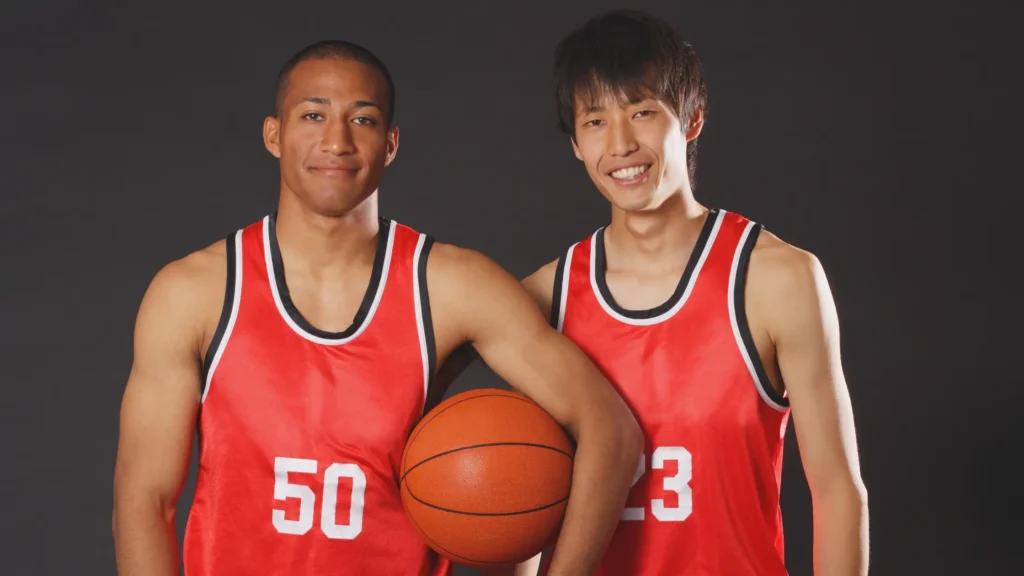
Urban fashion and street aesthetics
Basketball apparel quickly transcended the boundaries of sports, transforming baggy t-shirts, high-top sneakers, and baseball caps into central symbols of contemporary urban style.
Sports brands understood early on that the visual aspect of sports courts possessed emotional appeal, cultural authenticity, and enormous power to connect with young people from urban peripheries.
Sneakers have gone from being just sports equipment to becoming objects of desire, collectibles, and central elements of individual expression within street fashion.
The players' style began to influence catwalks, advertising campaigns, and fashion editorials, solidifying basketball as an aesthetic reference beyond the sporting world.
This fusion between sport and fashion has created a billion-dollar market, where each launch carries narratives of overcoming challenges, cultural identity, and social belonging.
By wearing basketball-inspired clothing, young people express values such as freedom, resilience, and authenticity, visually translating their connection to global urban culture.
++ Basketball and technology: how data analytics changed the game.
Basketball, music, and social narrative
The relationship between basketball and music, especially hip-hop, has built a cultural bridge that has transformed basketball courts into symbolic stages for artistic expression and social resistance.
Rappers have incorporated basketball imagery into their lyrics, music videos, and performances, using the sport as a metaphor for social advancement, discipline, and achievement in adverse environments.
Players, in turn, adopted musical language as an extension of their identity, creating playlists, participating in recordings, and engaging directly with influential artists.
Hip-hop culture found a shared aesthetic in basketball, based on authenticity, improvisation, personal storytelling, and valuing community origins.
Cultural research analyzed by Smithsonian Magazine They highlight how sport and music intertwine in the construction of contemporary urban identities.
This constant exchange has created a cultural ecosystem where music, sport, and social narrative feed off each other, amplifying the symbolic impact of basketball on pop culture.
++ The importance of cross-training for elite athletes.
Basketball in film, media and advertising
Cinema has transformed basketball into a protagonist of emotional narratives, exploring themes such as friendship, overcoming challenges, social inequality, and youthful dreams in stories that resonate with millions of viewers.
Sports films have helped to humanize athletes, bringing the public closer to their personal journeys and reinforcing the use of sport as a metaphor for everyday life challenges.
Digital media has expanded this reach, allowing plays, behind-the-scenes footage, and personal stories to circulate in real time, strengthening emotional bonds between fans and athletes.
Brands have started using basketball as an advertising language, associating products with values such as courage, authenticity, overcoming challenges, and urban cultural identity.
Global campaigns are exploring narratives inspired by neighborhood sports courts, reinforcing the sport as a symbol of opportunity, social transformation, and community belonging.
Thus, basketball has established itself as a central narrative tool in contemporary visual culture, connecting sporting emotions to broad commercial and social messages.
| Cultural Element | Influence of Basketball | Urban Impact |
|---|---|---|
| Fashion | Sneakers, baggy t-shirts, sporty aesthetics | Identity expression in the streets |
| Music | References in hip-hop and rap | Construction of social narratives |
| Cinema | Stories of overcoming challenges and belonging. | Inspiration for young people |
| Advertising | Values of courage and authenticity | Emotional connection with brands |
| Body language | Gestures and celebrations | Nonverbal cultural communication |
Community, belonging and identity
Basketball creates meeting spaces where young people build social bonds, develop self-esteem, and learn to manage conflicts, making it a powerful tool for community integration.
In outlying neighborhoods, sports courts function as informal cultural centers, bringing together music, fashion, friendship, and competition in environments of collective learning.
These spaces allow individuals to express their identity, test boundaries, and find recognition outside of often exclusionary traditional social structures.
Social projects utilize basketball as a means of education, discipline, and values building, demonstrating its transformative potential beyond mere entertainment.
The culture of the courts teaches respect, collaboration, and resilience, creating social microcosms where rules are negotiated and differences coexist.
In this way, sport acts as a language of belonging, offering young people a positive narrative about themselves and their place in the urban world.
Globalization and cultural reinvention
With the expansion of media coverage, basketball has transcended geographical boundaries, being reinterpreted by different cultures that adapt its style to their own social realities.
In various countries, young people incorporate the aesthetics, language, and values of sport, blending local traditions with global references from professional leagues.
This cultural exchange creates hybrid versions of basketball, where regional rhythms, local slang, and unique styles interact with the international imagery of the game.
Globalization does not erase identities, but rather expands possibilities for expression, allowing communities to reinvent sport according to their social experiences.
Basketball thus becomes a flexible, universal language, capable of translating aspirations, conflicts, and dreams in different cultural contexts.
This adaptability explains why the sport remains relevant, constantly reinventing itself within contemporary pop culture.
Conclusion
Basketball has become a cultural phenomenon because it offers more than just competition, delivering narratives of belonging, identity, and overcoming challenges that resonate deeply in urban contexts.
Its influence shapes fashion, music, body language, and the collective imagination, creating a continuous bridge between sport, art, and everyday life.
By occupying streets, screens, and walkways, basketball reaffirms its role as a social language that translates urban experiences into movement, rhythm, and shared aesthetics.
Understanding how basketball influences pop culture means recognizing that the sport has become one of the most powerful forms of contemporary cultural expression.
FAQ
1. Why is basketball so influential in urban culture?
Because it was born in community settings, reflecting real experiences of urban youth and offering a visual, social, and symbolic language that directly engages with identity and belonging.
2. How does basketball impact current fashion?
He popularized sneakers, baggy clothing, and sporty aesthetics, transforming functional pieces into cultural symbols that express authenticity, personal style, and connection to urban culture.
3. What is the relationship between basketball and hip-hop?
Both share urban origins, value improvisation and personal storytelling, creating a cultural dialogue where music and sport feed off each other as forms of social expression.
4. Does basketball only influence young people?
Although it strongly engages with young people, its aesthetics and narrative reach different generations through media, film, advertising, and collective memory.
5. Why do athletes become cultural icons?
Because their journeys combine talent, overcoming challenges, and media visibility, allowing them to represent social values, collective aspirations, and cultural identity beyond sports.