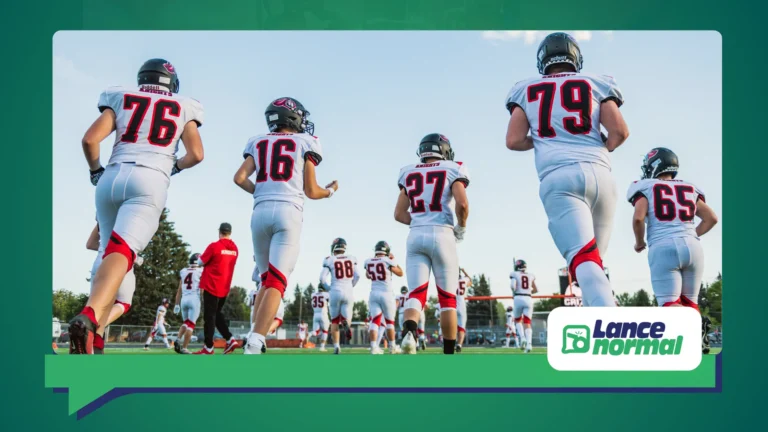


THE burnout syndrome It is a serious and increasingly common problem among high-performance athletes.
Advertisements
Originally associated with the corporate environment, this psychological condition has been manifesting itself with increasing intensity in elite sports, where the physical, mental, and emotional demands are extreme.
THE burnout syndrome in athletes It can lead to total burnout, compromising the careers and personal lives of those involved.
In today's text, we will explain a little more about this topic and its influence on the lives and performance of athletes.
So, be sure to follow along!
Advertisements
What is the concept of burnout in sports?
Burnout syndrome is characterized by a feeling of extreme exhaustion, loss of sporting identity, and decreased personal accomplishment.
For athletes, this means an emotional detachment from the sport, disinterest in competitions, and a significant decline in performance.
This exhaustion is not limited to the physical aspect; it involves a mental and emotional overload that can have devastating consequences.
Advertisements
According to recent studies published in Journal of Sport Psychology, approximately 45% of the athletes Elite professionals report symptoms of burnout at some point in their careers.
These alarming numbers highlight the urgent need to address this issue effectively.
What are the main causes of burnout in athletes?

The causes of burnout in athletes are multifactorial, involving both elements intrinsic to the individual and external factors related to the sporting environment.
Among the main factors are training overload, constant pressure for results, lack of psychological support, and an imbalance between personal and professional life.
1. Training and competition overload
Overtraining is one of the main causes of burnout in athletes. Intense training without adequate recovery time can lead to physical exhaustion and... mental.
High-level athletes often face long hours of training, grueling competitions, and the constant expectation of improving their performance.
Over time, this excessive load can become unsustainable.
Furthermore, the increasingly dense competitive calendar contributes to the rise in burnout cases. Athletes are subjected to a growing number of competitions, with little time for recovery, which exacerbates physical and emotional exhaustion.
2. Pressure for performance and external expectations
Pressure to perform is another crucial factor. Elite athletes are constantly pressured by coaches, sponsors, family, and fans to reach the peak of their abilities.
This pressure creates an environment of continuous stress, where failure is not an option.
The need to meet others' expectations can generate psychological stress that, over time, results in burnout.
The expectation of always winning, of surpassing limits in every competition, and of not making mistakes, is a heavy burden that many athletes carry.
This constant pressure can lead to demotivation and emotional detachment from the sport, clear signs of the onset of burnout.
3. Lack of psychological support and repressed emotions
The lack of adequate psychological support also plays a significant role in the development of burnout.
Many athletes lack access to mental health services, or simply do not recognize the importance of psychological care.
This can lead to the repression of emotions, increasing mental strain and contributing to the development of the syndrome.
Furthermore, the stigma associated with seeking psychological help can prevent many athletes from seeking support.
It is believed that admitting to emotional or psychological difficulties is a sign of weakness, especially in a competitive environment where mental strength is valued.
As a result, we have a vicious cycle of emotional repression and increased stress.
+ How to manage pre-game anxiety: techniques for athletes
4. Imbalance between personal and sporting life
The imbalance between personal life and sports career is another critical factor.
Athletes who dedicate most of their time to training and competitions often neglect important aspects of their personal lives, such as family and social relationships.
This imbalance can lead to dissatisfaction and frustration, increasing the risk of burnout.
The absence of leisure and relaxation time outside of the sporting environment creates a cycle of constant stress, where the athlete finds no refuge from the pressures of the sport. This, in turn, contributes to physical and mental exhaustion.
5. Monotony in training and lack of variety.
Another factor that contributes to burnout is monotony in training. Repetitive routines, without variations or new challenges, can lead to boredom and demotivation.
The lack of stimulation and innovation in daily activities causes sport to lose its playful character and become a burdensome obligation.
Monotonous training, without opportunities for developing new skills or experiences, can make the sporting environment oppressive.
This demotivates the athlete, who begins to see the sport as an arduous task, instead of a source of pleasure and fulfillment.
What are the consequences of burnout in athletes?

The consequences of burnout syndrome in athletes These are serious and can have a lasting impact on athletes' careers and health.
Among the main consequences are a drop in performance, increased susceptibility to injuries, mental health problems and, in extreme cases, abandoning a sports career.
1. Decline in athletic performance
One of the first signs of burnout is a drop in athletic performance. The body and mind, overwhelmed by stress and exhaustion, can no longer adequately respond to the demands of the sport.
Then, the athlete begins to show results below expectations, even in activities that they previously mastered with ease.
This decline in performance can lead to a cycle of frustration and demotivation, where the athlete feels unable to achieve their goals, further exacerbating the state of burnout.
2. Increase in injuries
Physical and mental exhaustion makes athletes more... prone to injuries.
Lack of proper recovery, combined with strenuous training, can lead to overuse injuries and other physical complications.
A recent study revealed that athletes with burnout have up to 50% more chances to suffer injuries compared to those who are mentally healthy.
Injuries not only affect performance, but can also cause prolonged absences from sports, increasing feelings of frustration and helplessness.
3. Mental health problems
In addition to the physical consequences, burnout also has a significant impact on the mental health of athletes.
Many develop disorders such as anxiety, depression, and sleep disturbances.
While demotivation and feelings of failure are frequent, leading to an emotional disconnection from the sport and, in extreme cases, to abandoning one's career.
Studies show that the Burnout in athletes It is strongly associated with the development of psychological disorders.
The high-pressure environment, combined with a lack of emotional support, creates the perfect conditions for these problems to arise.
+ Which Disabilities Qualify for the Paralympics?
Diagnosis and identification of burnout in athletes

Diagnosing burnout in athletes is a clinical process that involves a detailed assessment of the athlete's symptoms, training history, and mental health.
Early diagnosis is essential for effective treatment and to prevent the worsening of burnout consequences.
You Symptoms of burnout in athletes Symptoms include extreme fatigue, lack of motivation, mood swings, insomnia, and physical pain with no apparent cause.
Physical and mental exhaustion is the most common symptom, but depersonalization and loss of enjoyment in sports are also important indicators.
Early identification of these symptoms can make all the difference in the treatment approach, allowing for more effective intervention before the situation worsens.
The diagnosis is made by mental health professionals specializing in sports psychology.
The process includes detailed interviews, specific questionnaires, and, in some cases, physiological assessments to rule out other medical conditions.
Collaboration between coaches, doctors, and psychologists is essential for an accurate diagnosis.
How does burnout treatment and recovery work in athletes?
Treatment for burnout in athletes should be multidisciplinary, involving psychological support, adjustments to training routines, and, in some cases, medical intervention.
The right approach can help the athlete rediscover the enjoyment of the sport and return to their best performance.
1. Psychological Intervention
Psychological support is the cornerstone of burnout treatment. Cognitive-behavioral therapy (CBT) techniques are widely used to help athletes cope with stress and redefine their goals and expectations.
CBT helps athletes develop healthier coping strategies and manage pressure effectively.
Furthermore, regular psychological support can prevent relapses and help the athlete maintain a healthy balance between sport and personal life.
2. Adjusting Training and Getting Adequate Rest
Adjusting the training load is essential for burnout recovery. This may include reducing training volume, incorporating longer rest periods, and diversifying sporting activities.
The goal is to allow the body and mind to recover from accumulated stress.
Coaches and physical trainers should work together with the athlete to create a training plan that promotes recovery and prevents recurrence of burnout.
3. Social and Family Support
Social and family support plays a crucial role in burnout recovery. Having a strong support network can help athletes overcome emotional challenges.
and to feel valued outside of the sporting environment. The support of friends, family, and teammates is fundamental to recovery.
In addition, support and counseling programs for athletes' families can be helpful, fostering an environment of understanding and mutual support.
Prevention of Burnout Syndrome in Athletes
Preventing burnout is just as important as treating it, certainly.
Implementing preventative strategies can significantly reduce the risk of burnout and ensure that athletes can compete at a high level for longer, preserving their mental and physical health.
One of the most effective preventative strategies is the periodization of training.
This stage may involve varying training loads throughout the year, with phases of higher and lower intensity, allowing the athlete to recover properly.
Including recreational and leisure activities in the training plan can also be beneficial.
Another important strategy is the regular monitoring of the athlete's physical and emotional state. This may include periodic physiological assessments and the use of questionnaires to identify early signs of burnout.
+ The importance of pre- and post-workout nutrition for performance and recovery
Promoting a Balance Between Personal and Sports Life
Promoting a healthy balance between personal life and sports career is fundamental in preventing burnout.
Athletes should be encouraged to maintain interests and activities outside of sports that provide pleasure and relaxation. This can include hobbies, studies, or simply spending time with family and friends.
Coaches and technical teams also have an important role in supporting the balance between the athlete's sporting and personal life, recognizing the importance of a holistic approach to health and well-being.
Conclusion
THE burnout syndrome in athletes This is a significant challenge in the world of high-performance sports. Recognizing and treating this condition is essential to ensuring the longevity and well-being of athletes.
Prevention, through effective training strategies and psychological support, is the best way to avoid burnout from becoming a reality.
Athletes, coaches, and teams need to work together to create an environment where performance doesn't come at the expense of mental and physical health.
Sport should be a source of fulfillment and happiness, not a cause of burnout and frustration.
By adopting a proactive and balanced approach, it is possible to promote a healthy and sustainable sporting environment where athletes can thrive both on and off the field.